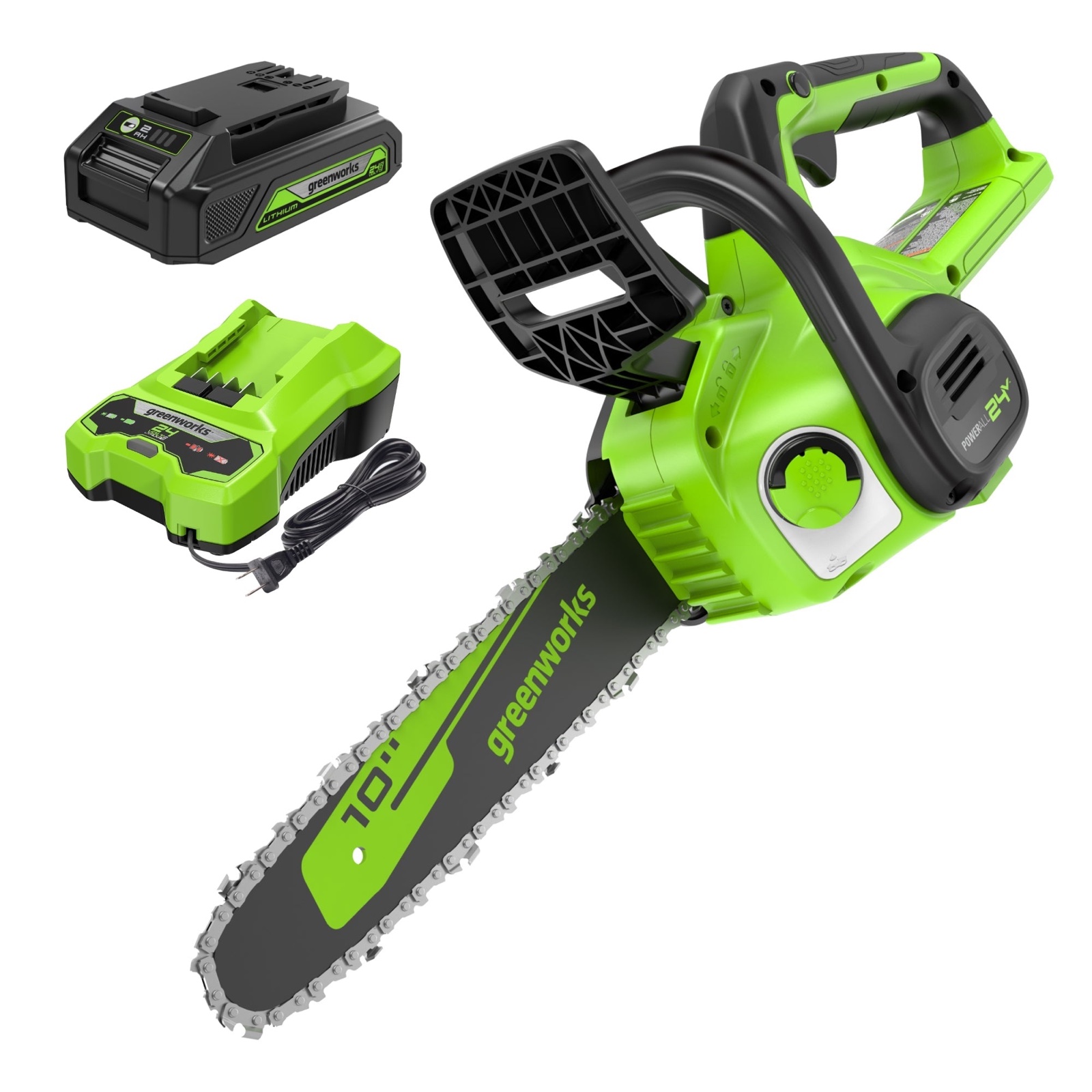
Greenworks / Battery
~$90
Greenworks 24V 10" Chainsaw Kit
30cc class (by bar)
- 24V
- pack
- 10 in
- bar
- 4.5 lb
- bare
Anyone who needs a powered pruning saw for brush and fallen limbs and will never fell a tree with it.
Homeowner
Displacement, bar length, weight and owner reports for every saw, grouped into five engine classes by the log each one is sized for.
148 saws from 19 brands: 67 gas, 70 battery, 11 corded, from $79 to $2,680. Re-read October 2026.
Gas saws are placed by displacement; battery and corded saws by the bar they ship with. How the classes are drawn
Pick an engine class if you know the wood. Tick up to three saws to line them up in one table.
148 saws, showing 1–24
Greenworks / Battery
~$90
Anyone who needs a powered pruning saw for brush and fallen limbs and will never fell a tree with it.
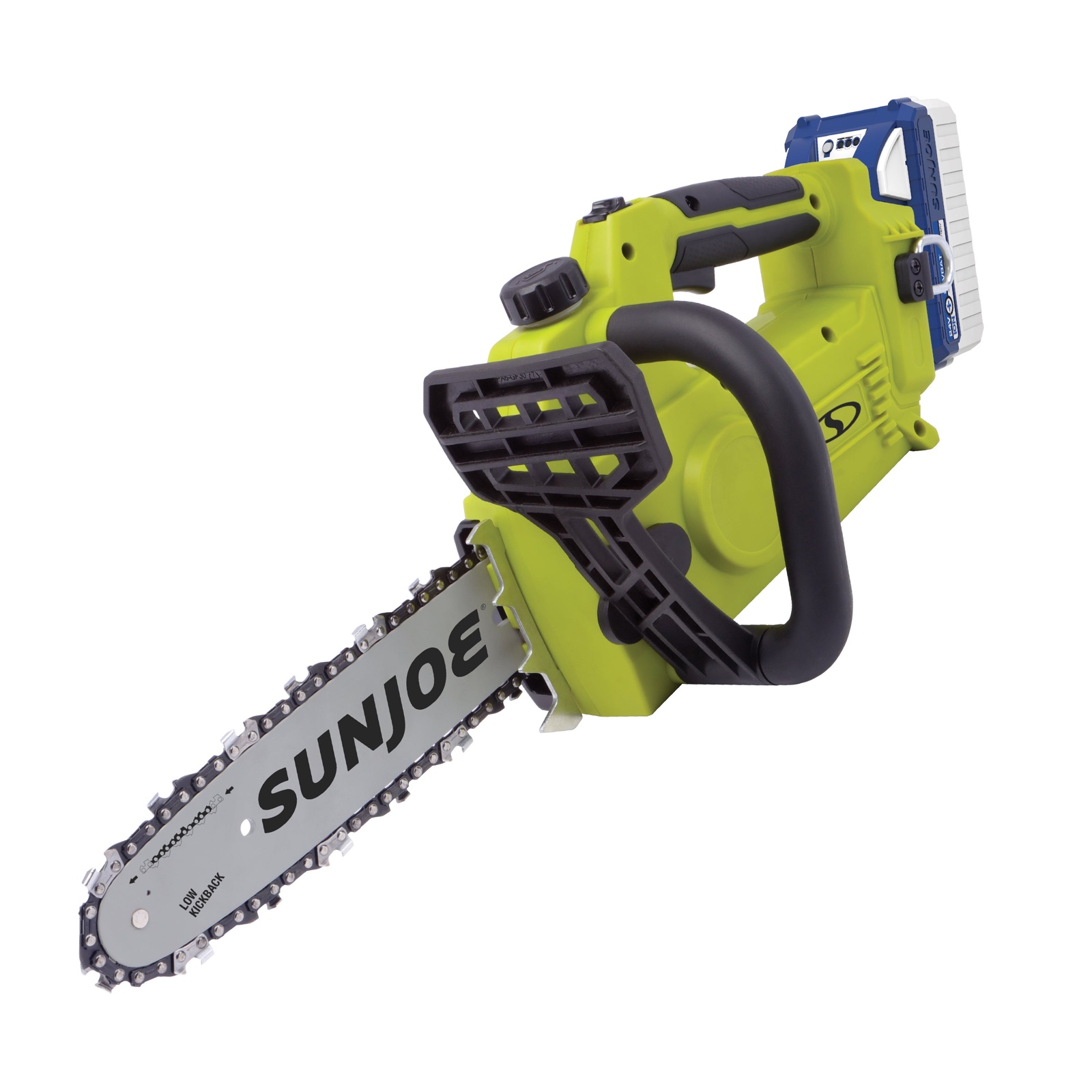
Sun Joe / Battery
~$130
Light pruning and storm debris on a budget, for someone who wants a bigger battery rather than a lighter saw.
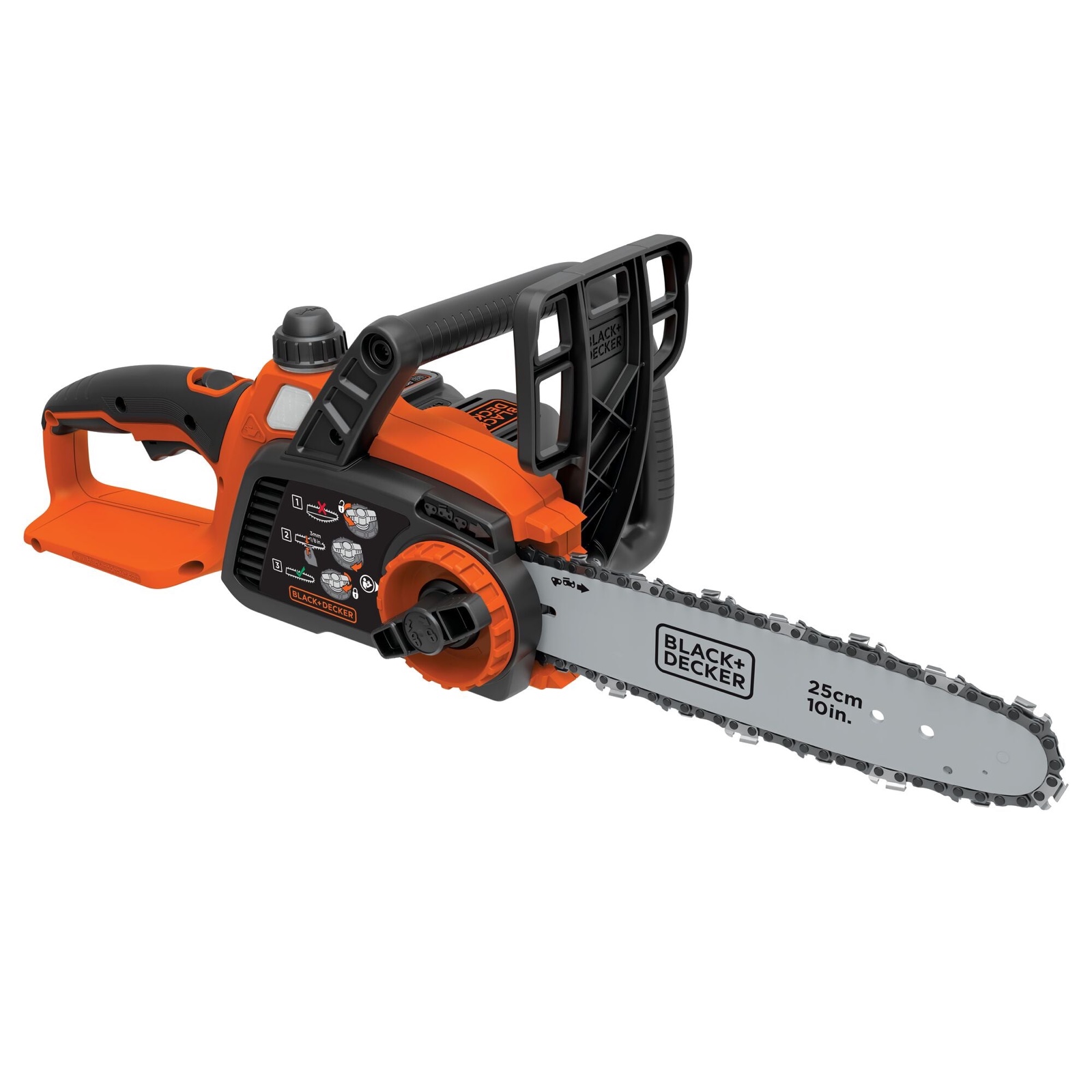
Black+Decker / Battery
~$149
Homeowners already on B+D 20V who need a pruning-and-storm-debris saw and will never cut a log.
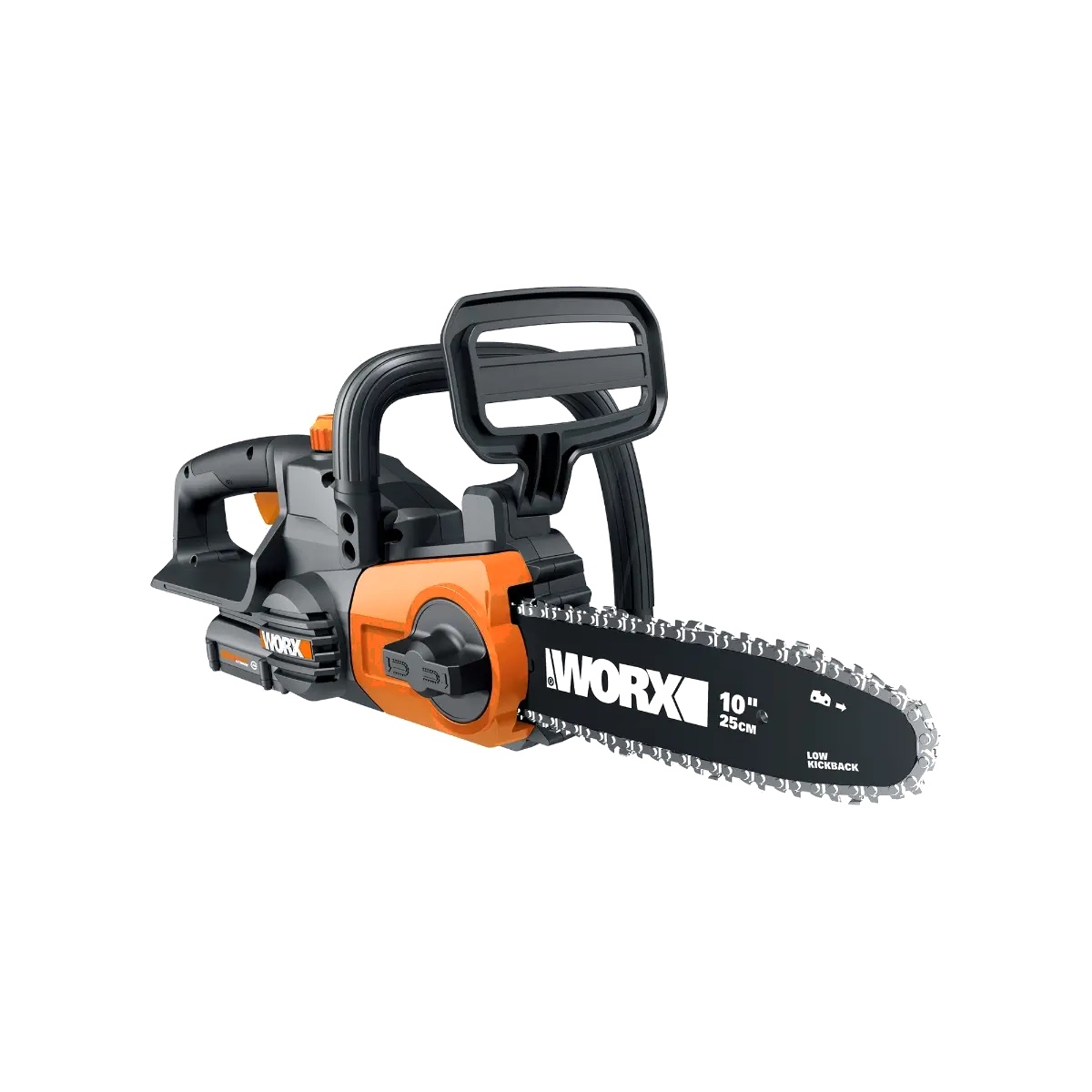
Worx / Battery
~$150
Pruning and overhead limb work where saw weight decides how long you last, not how fast you cut.
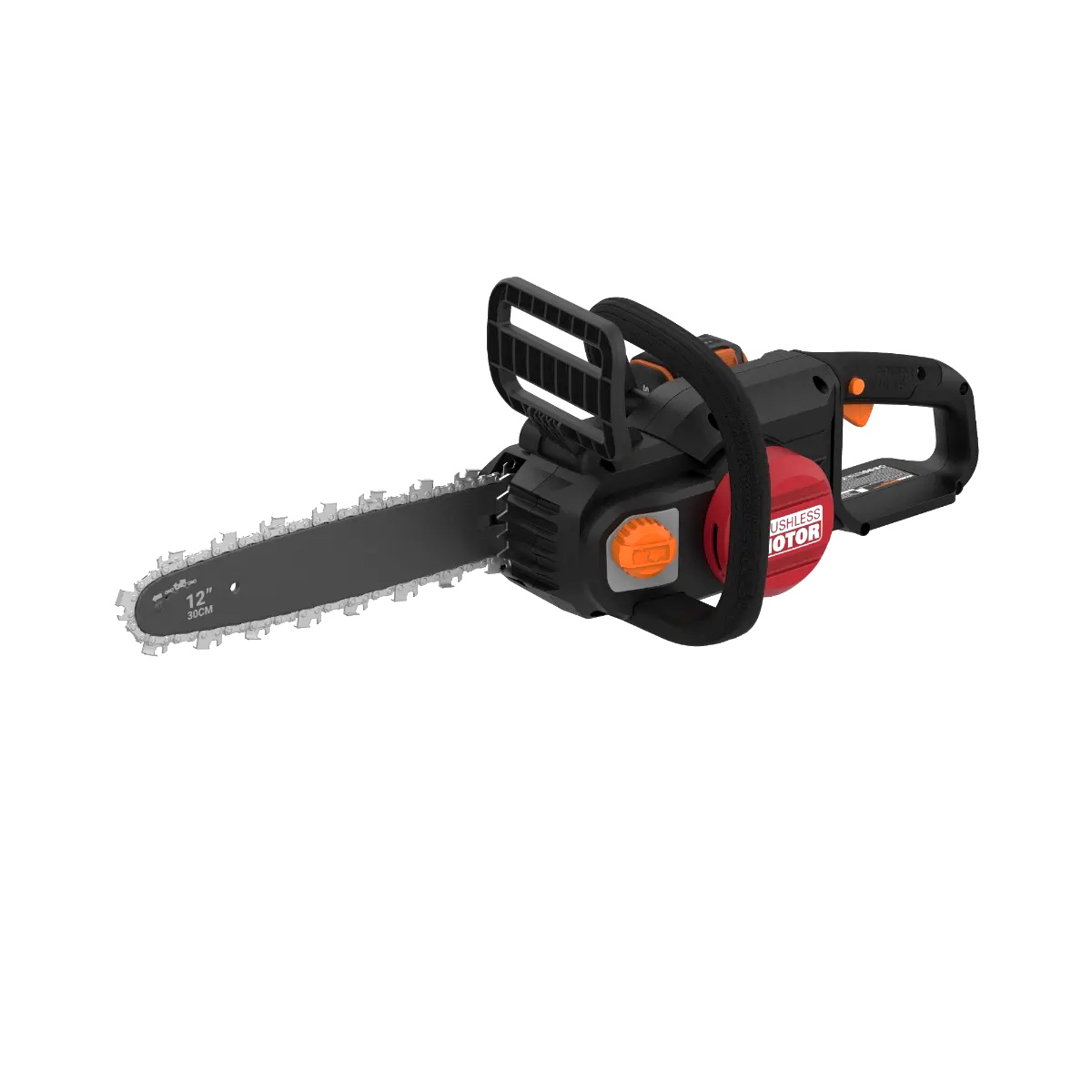
Worx / Battery
~$170
Power Share owners who want one light brushless saw for limbs and small logs and will not buy a two-battery tool.
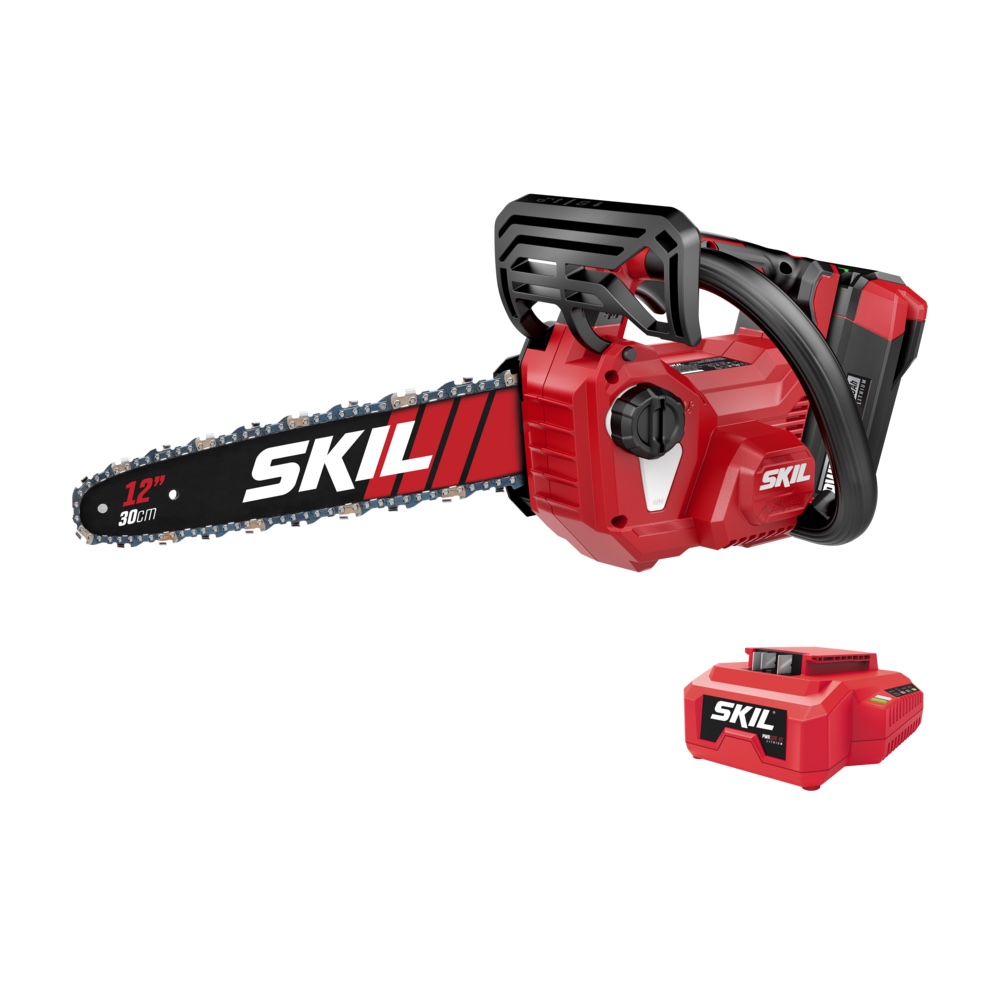
Skil / Battery
~$180
Ground-level and ladder pruning where a compact top-handle shape helps; not for climbing work.
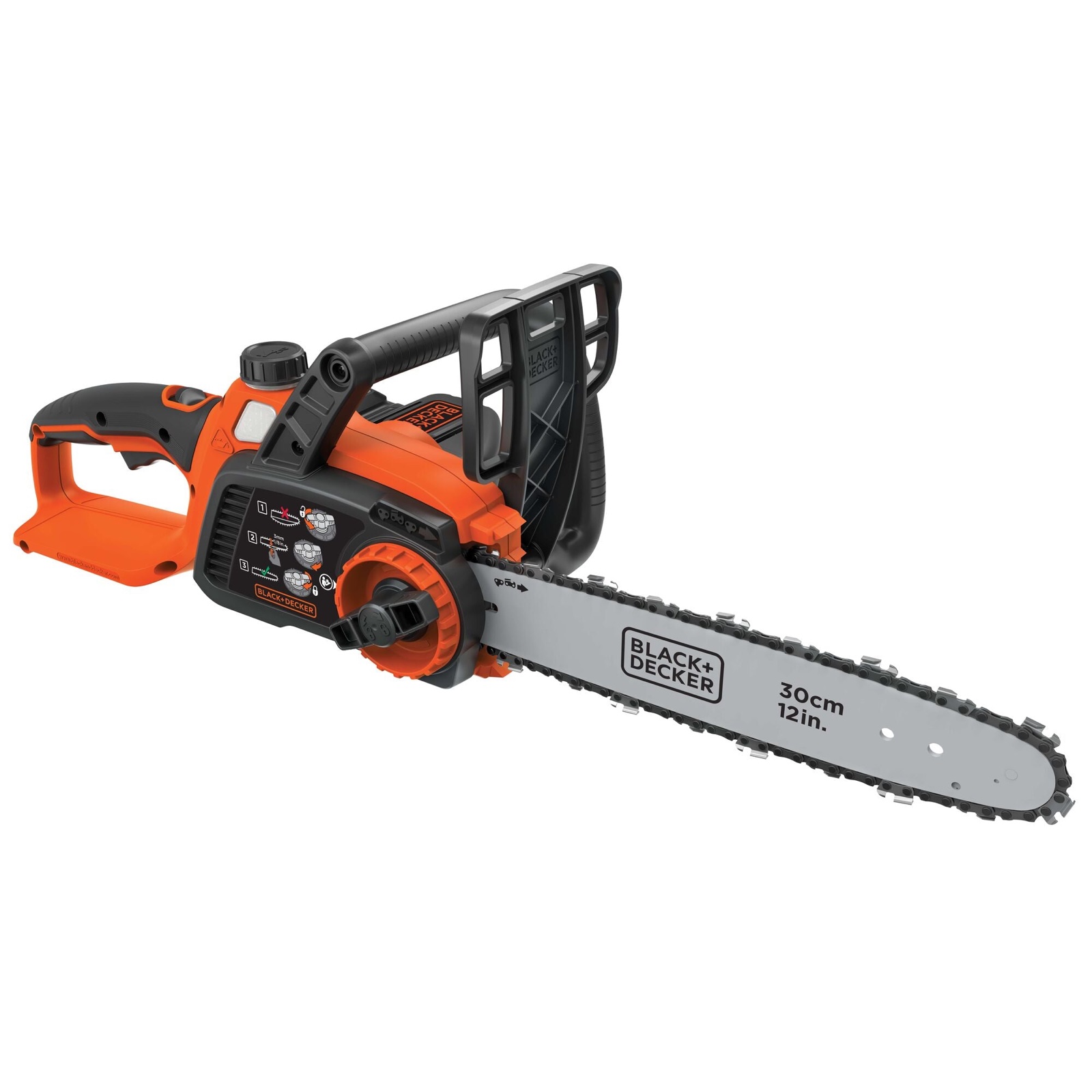
Black+Decker / Battery
~$199
Someone who wants one simple battery saw for limbs and lumber and will not buy other cordless yard tools.
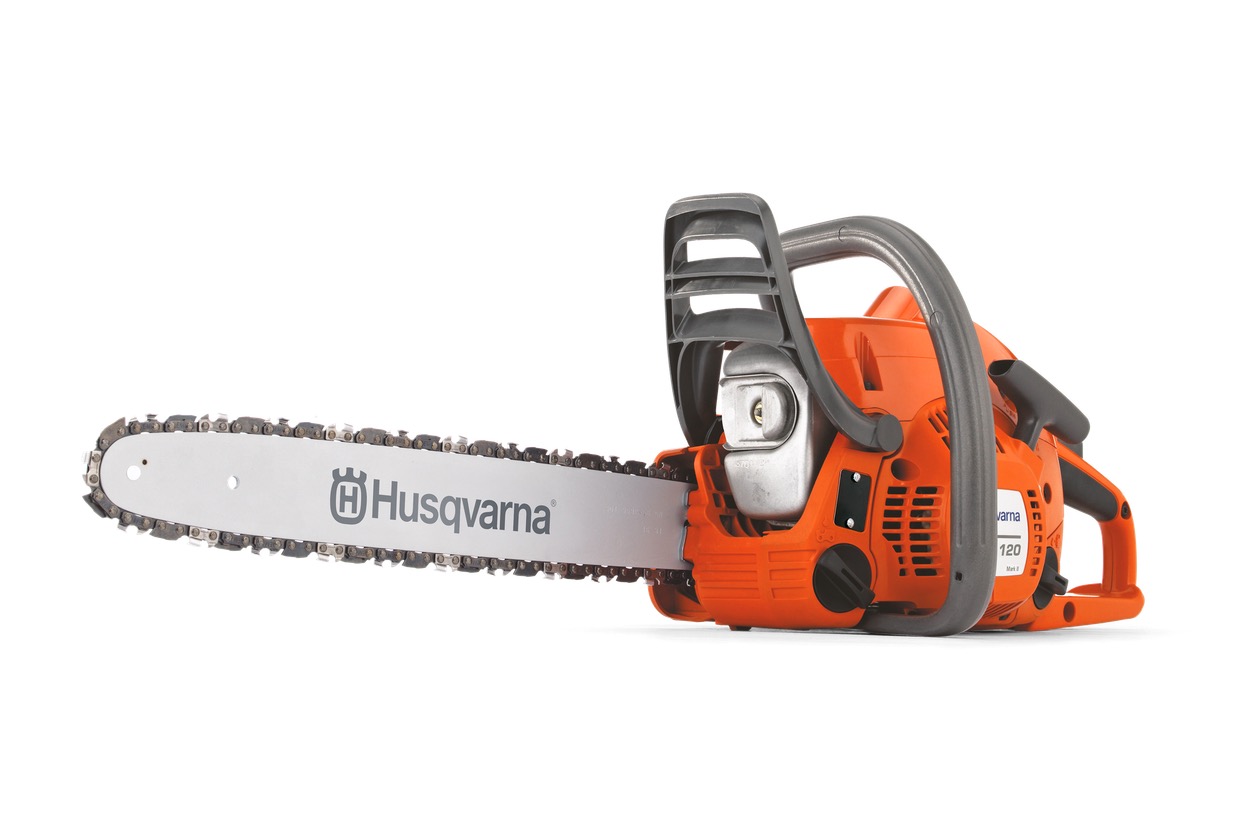
Husqvarna / Gas
~$219
Budget-minded homeowners doing storm cleanup and light firewood who want dealer support over big-box anonymity.
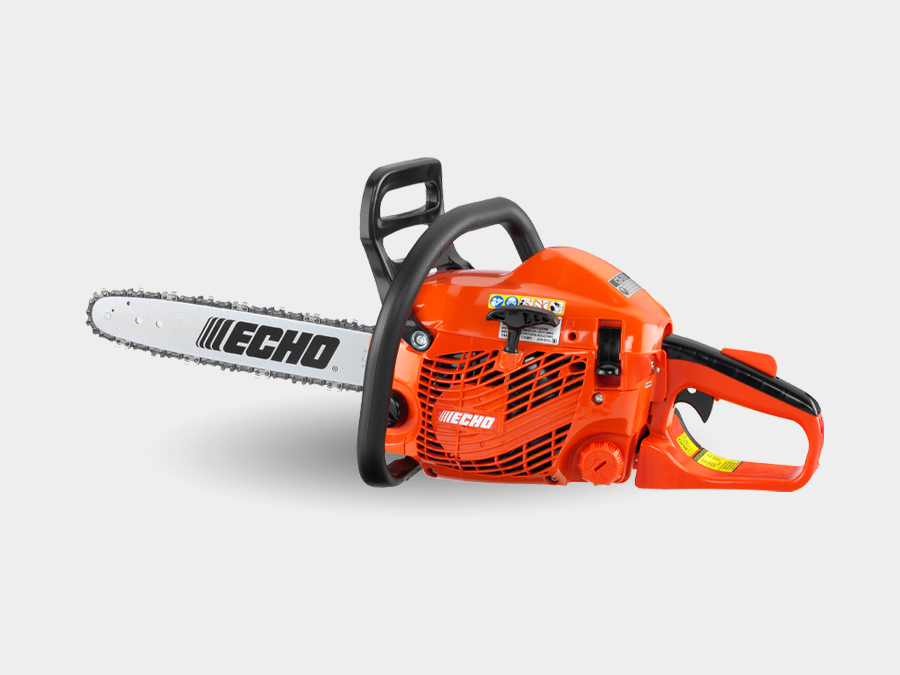
Echo / Gas
~$219
Homeowners who need a light, cheap gas saw for limbing, pruning, and storm cleanup a few times a year.
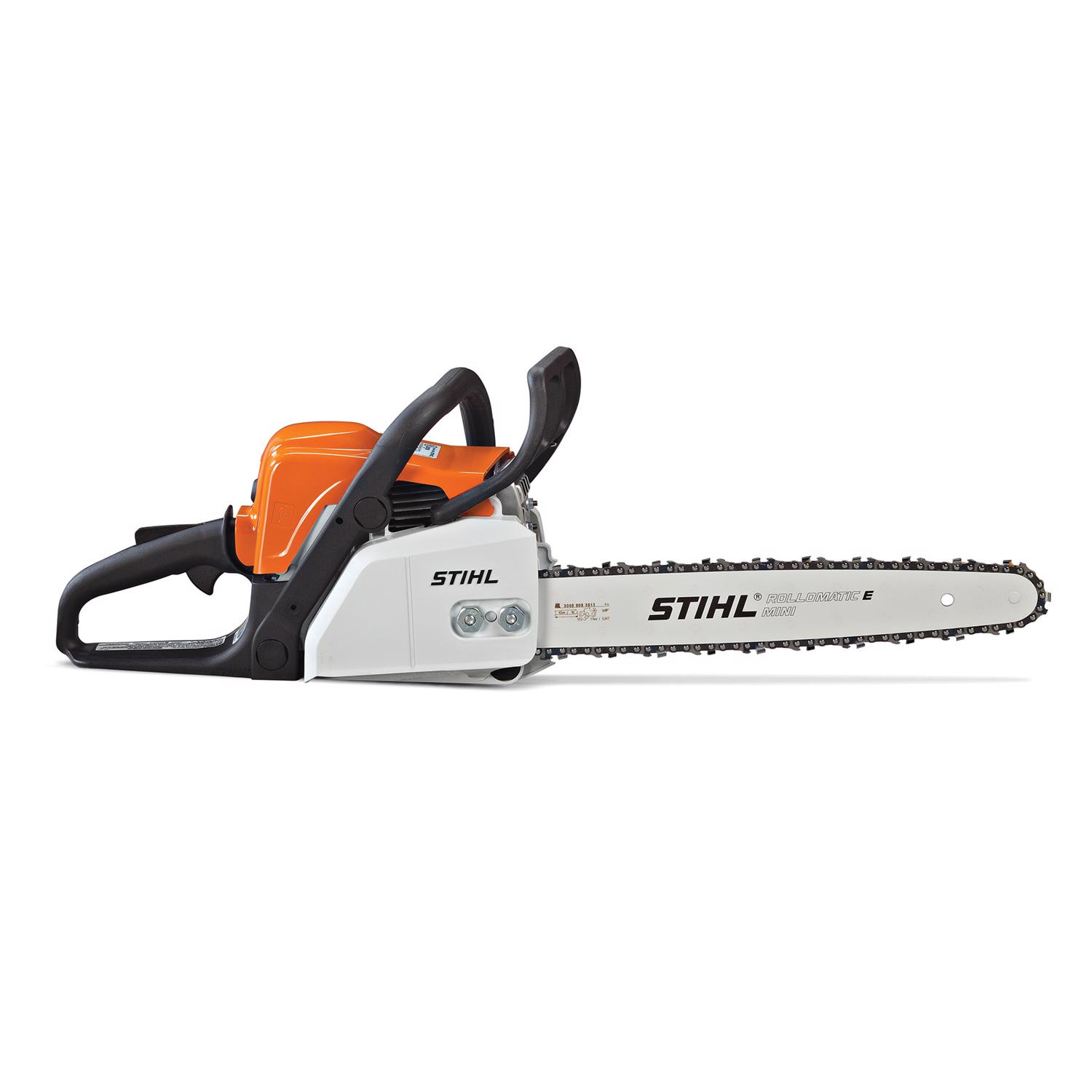
Stihl / Gas
~$220
Homeowners who want a real dealer-supported gas saw for pruning, storm cleanup, and occasional small logs at the lowest possible price.
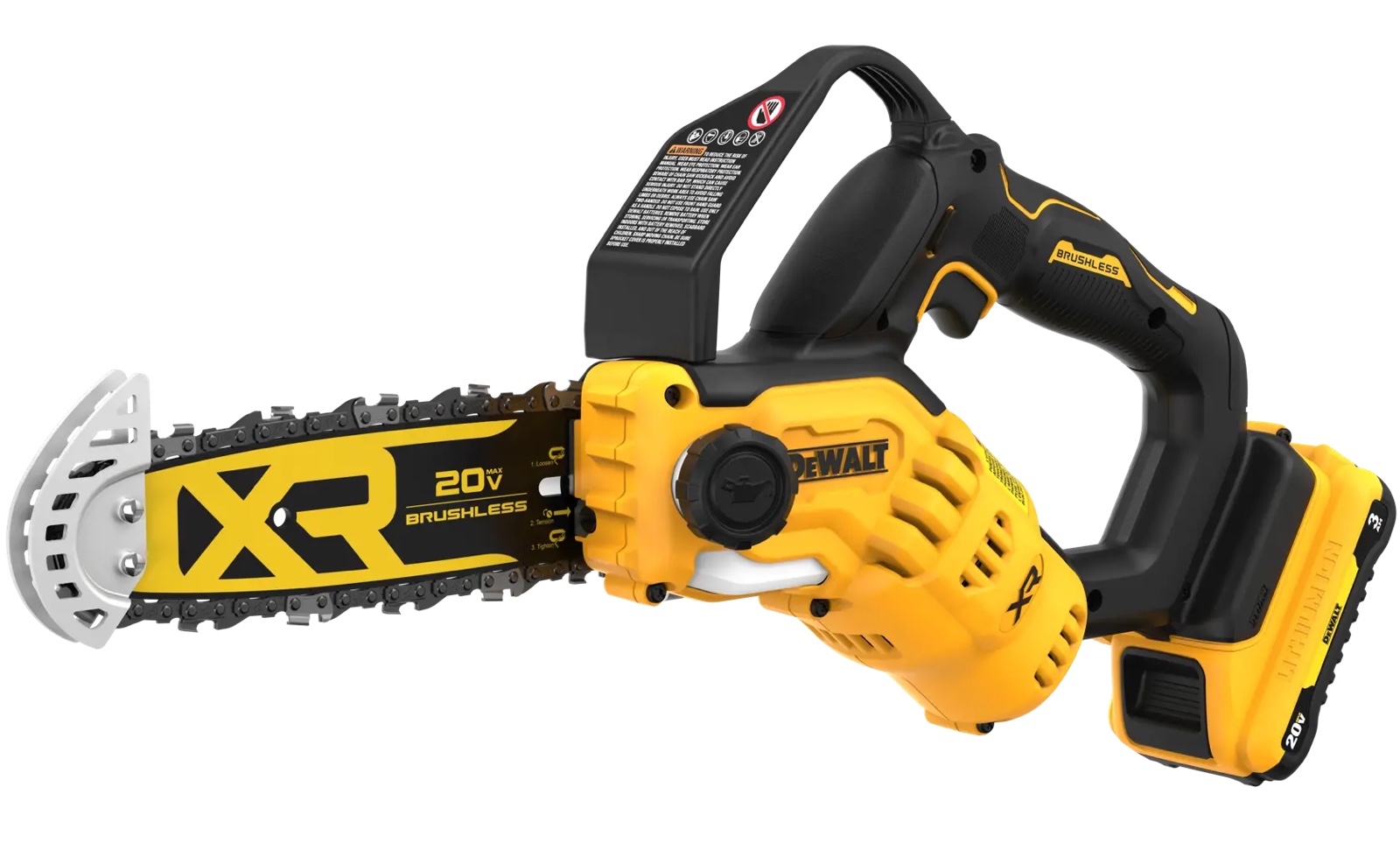
DeWalt / Battery
~$229
20V Max owners who want a light one-hand saw for pruning, limbing, and storm tidying rather than a full chainsaw.
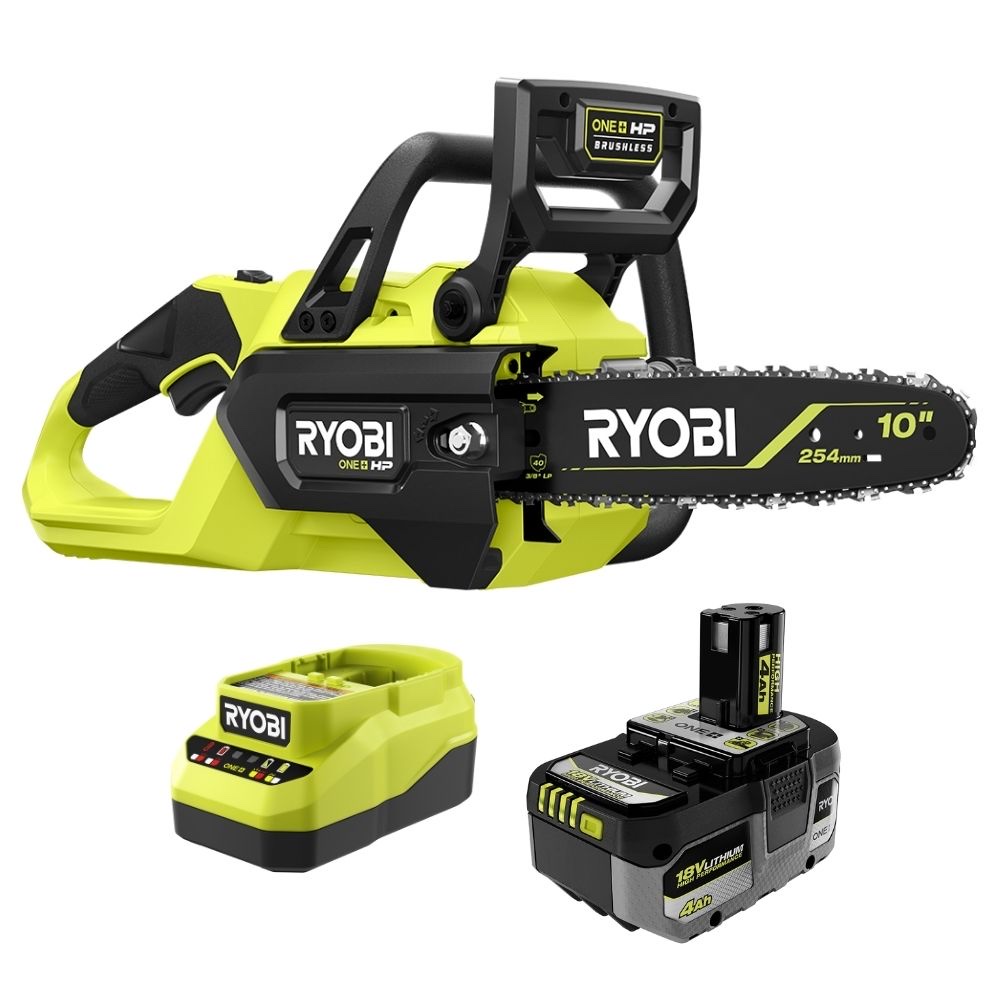
Ryobi / Battery
~$229
ONE+ owners who want a grab-and-go limbing saw and will never ask it to fell anything.
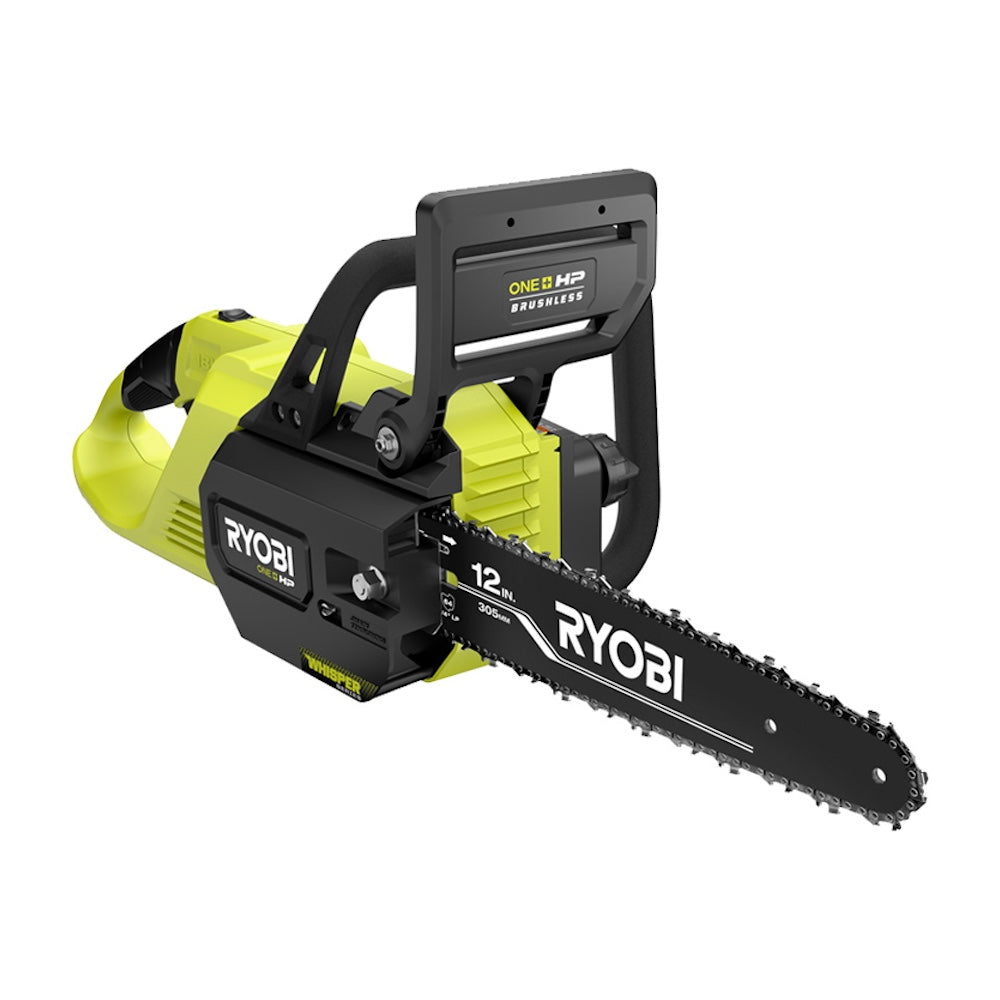
Ryobi / Battery
~$249
ONE+ owners with small yards who want a zero-ceremony saw for pruning and light cleanup.
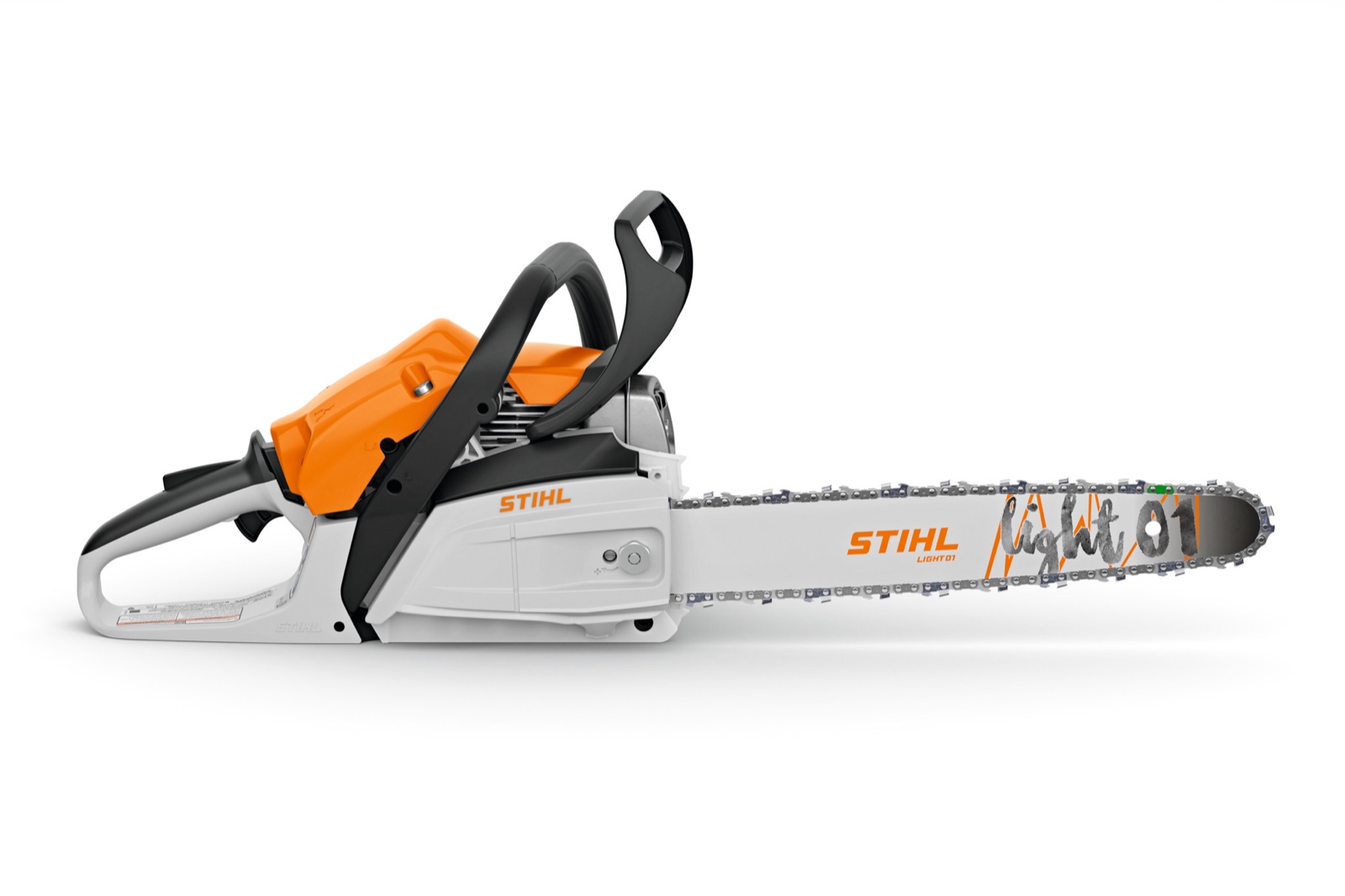
Stihl / Gas
~$250
Suburban owners who need an occasional saw for storm limbs and 8-inch firewood and want a dealer-serviced Stihl at the lowest price Stihl sells one.
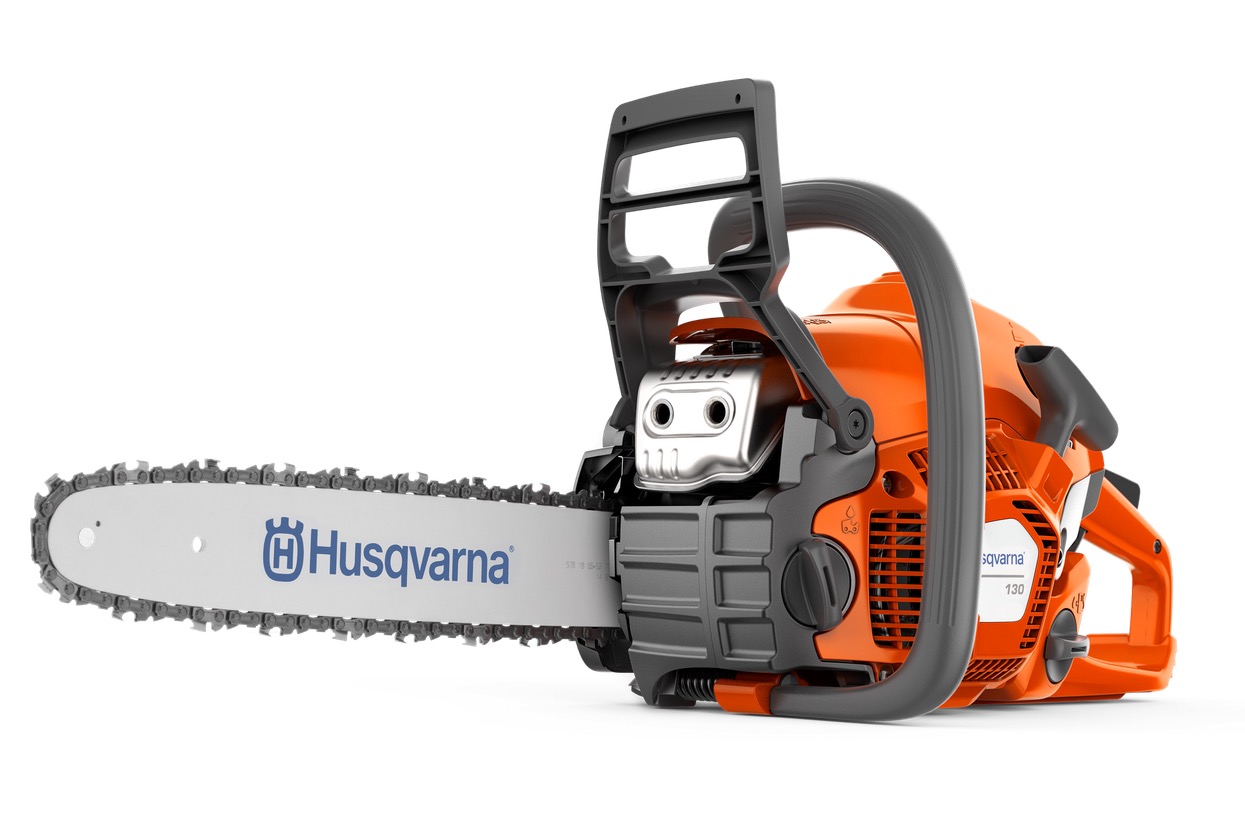
Husqvarna / Gas
~$259
Homeowners who want one small gas saw with a bit more pull than entry-level, without crossing $300.
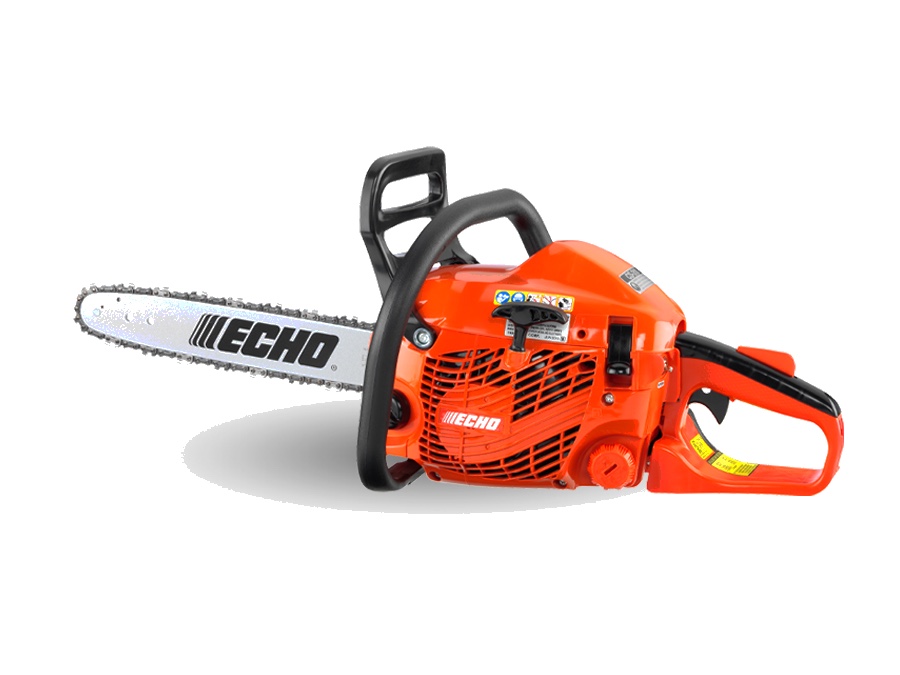
Echo / Gas
~$260
Occasional cutters who want the most proven cheap Echo rather than the newest one.
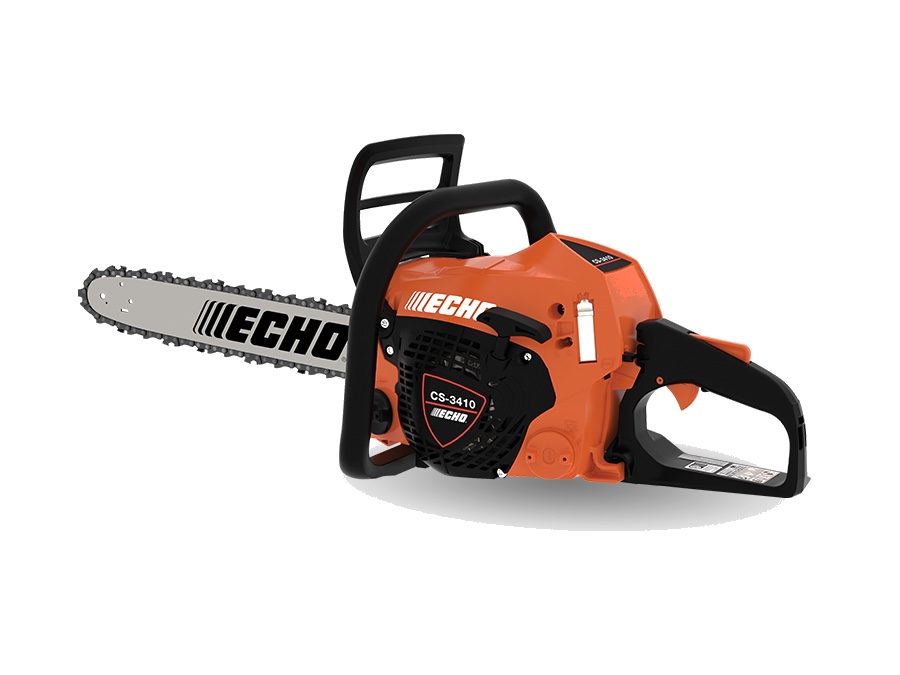
Echo / Gas
~$260
Homeowners who want the CS-3510's chassis and weight for less money, or specifically want the 14-inch bar.
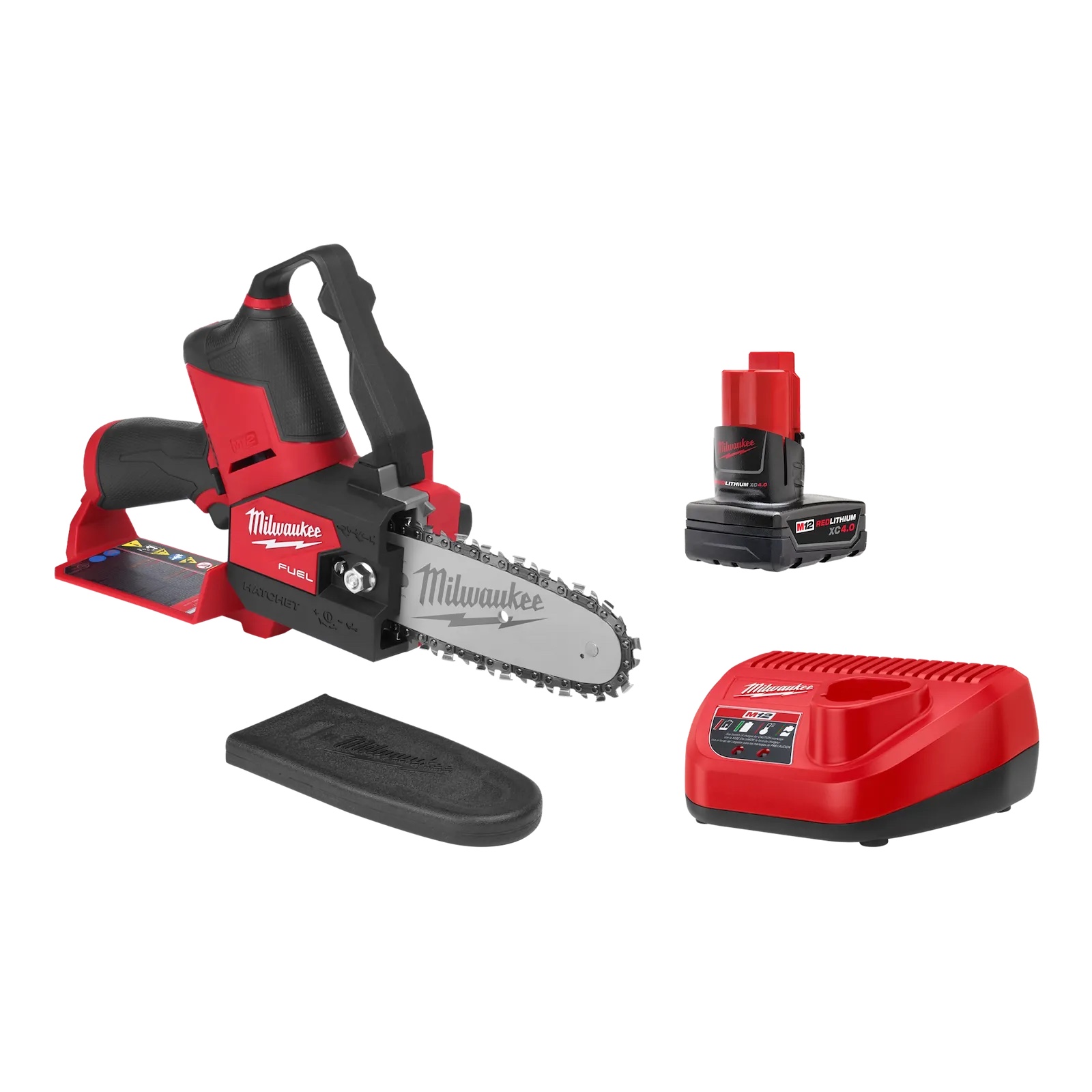
Milwaukee / Battery
~$269
Line-clearance, utility, and orchard crews who need a one-hand pruning saw on the M12 platform rather than a chainsaw.
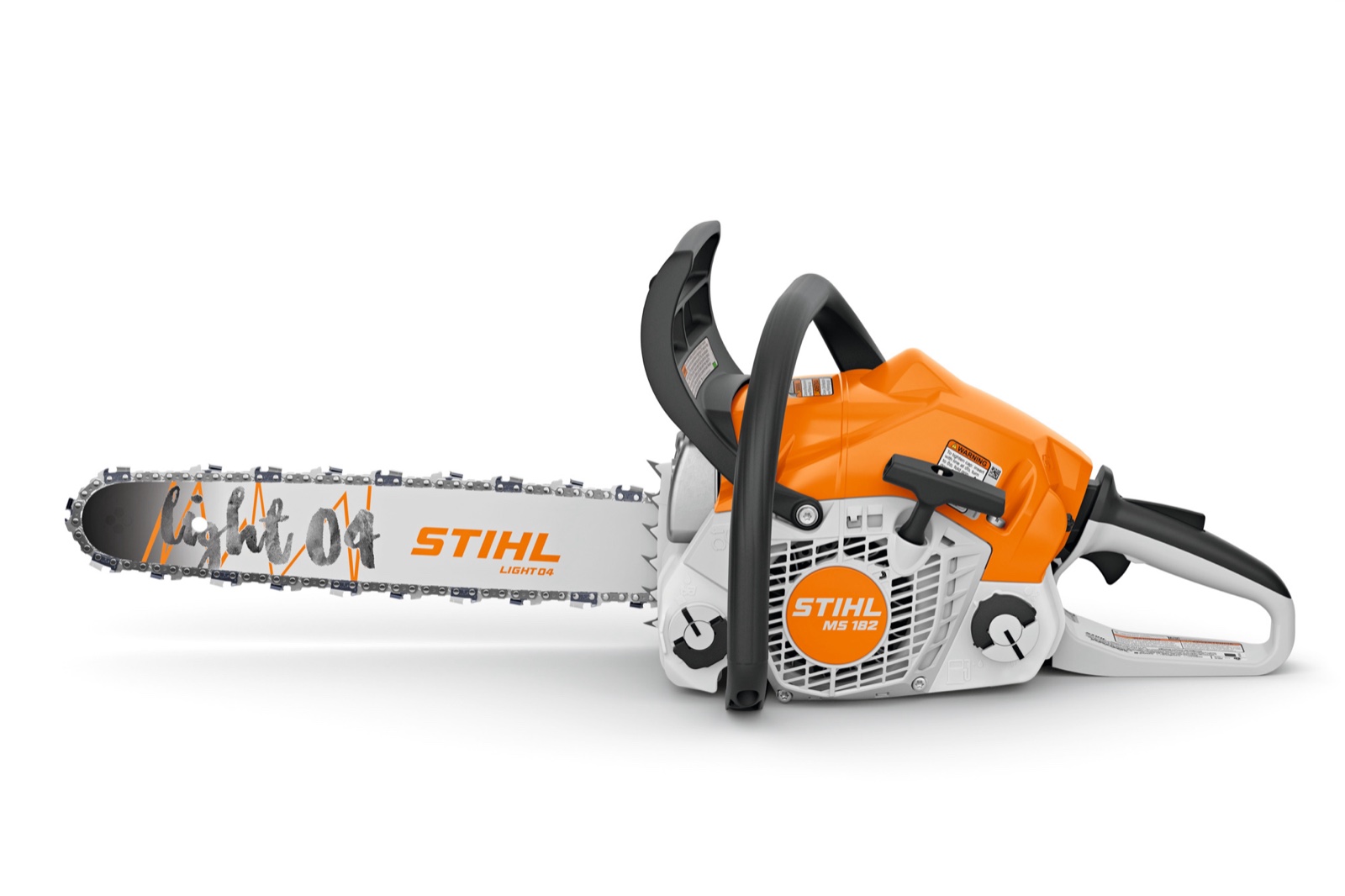
Stihl / Gas
~$270
Homeowners cutting a cord or two a year who want the smallest saw that still pulls a 16-inch bar without complaint.
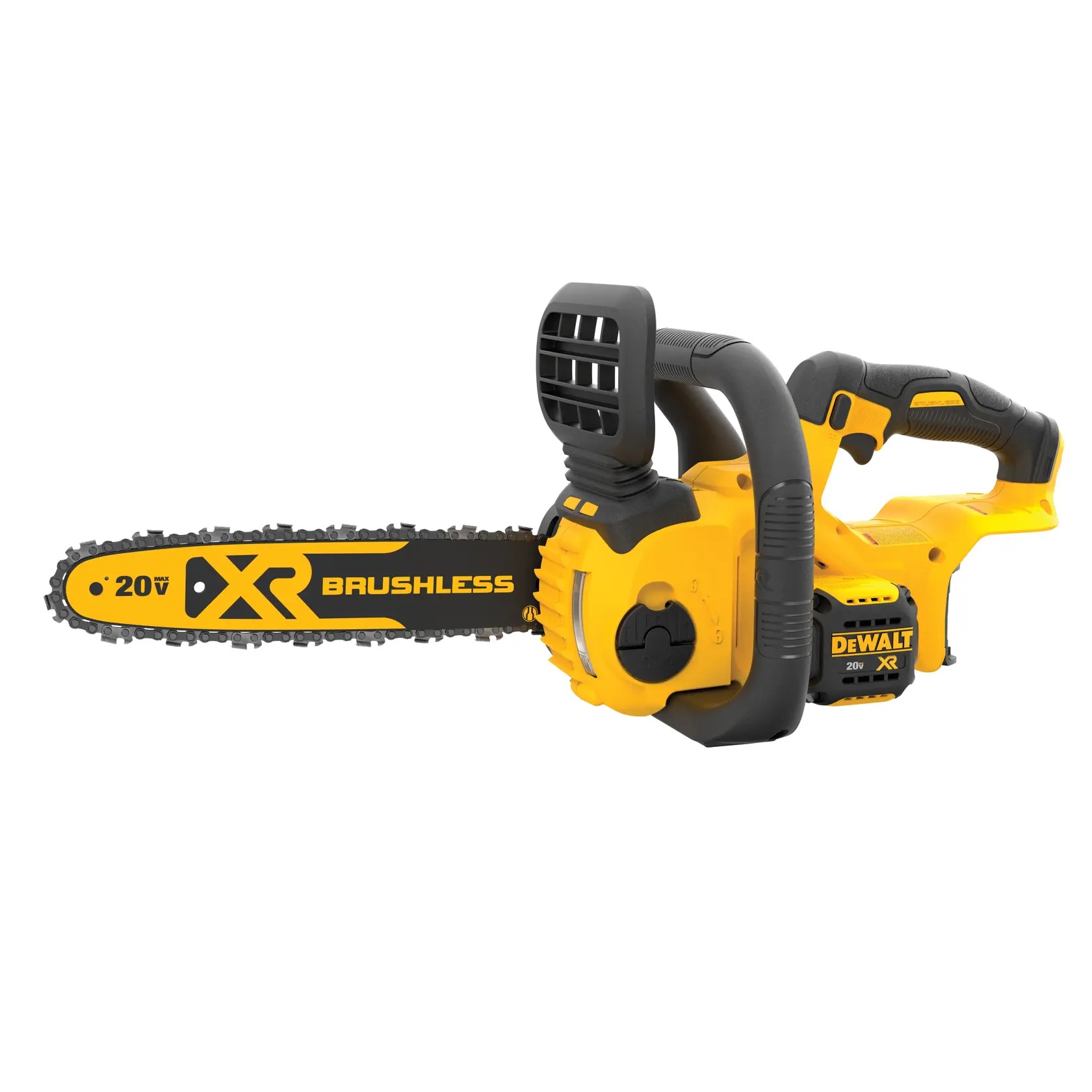
DeWalt / Battery
~$279
DeWalt 20V tool owners who need a light saw for limbs, storm branches, and jobsite cuts — not firewood production.
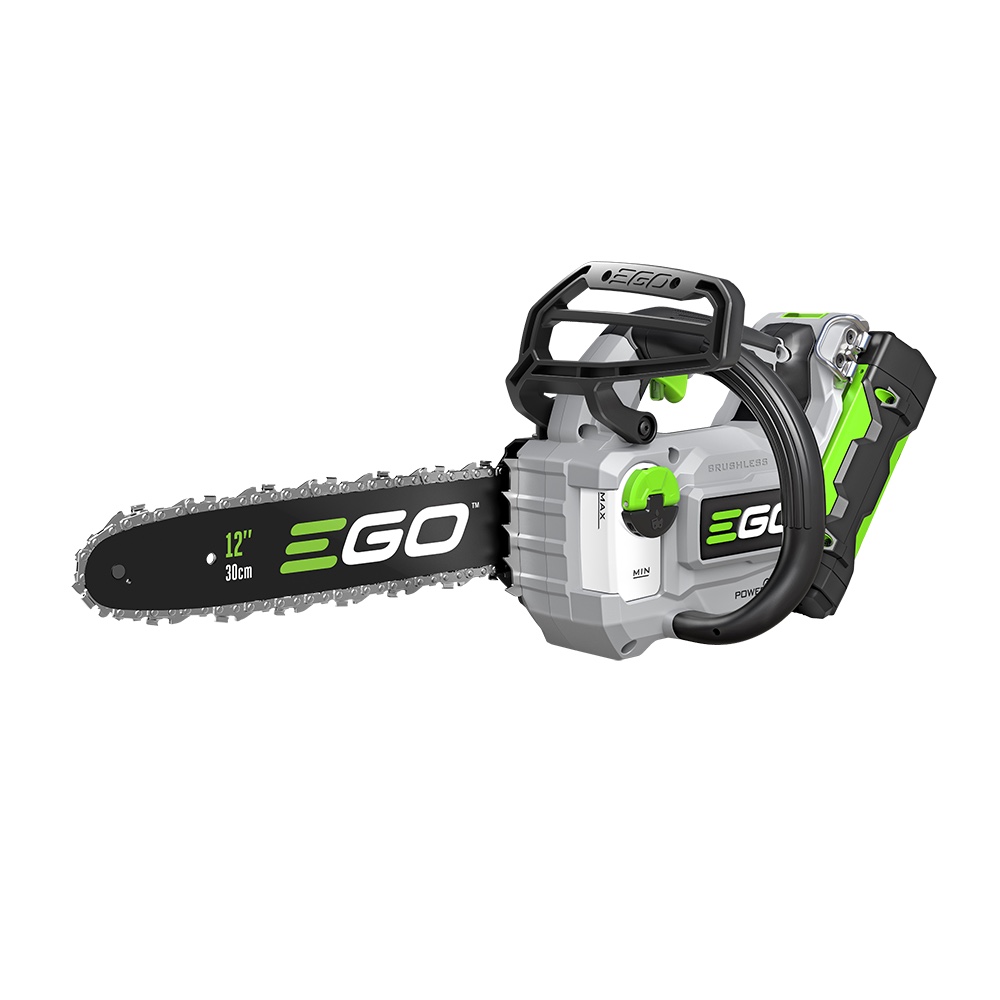
EGO / Battery
~$279
EGO 56V owners who want a light one-hand-capable saw for limbs, brush, and storm tidying rather than firewood volume.
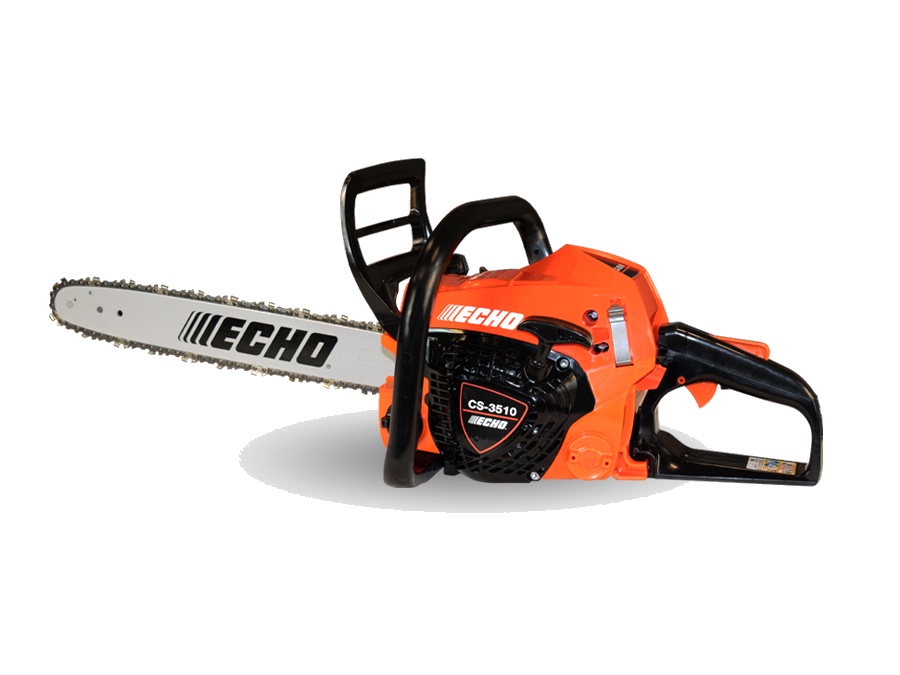
Echo / Gas
~$300
Homeowners cutting a cord or two a year who want more saw than a CS-310 without crossing $350.
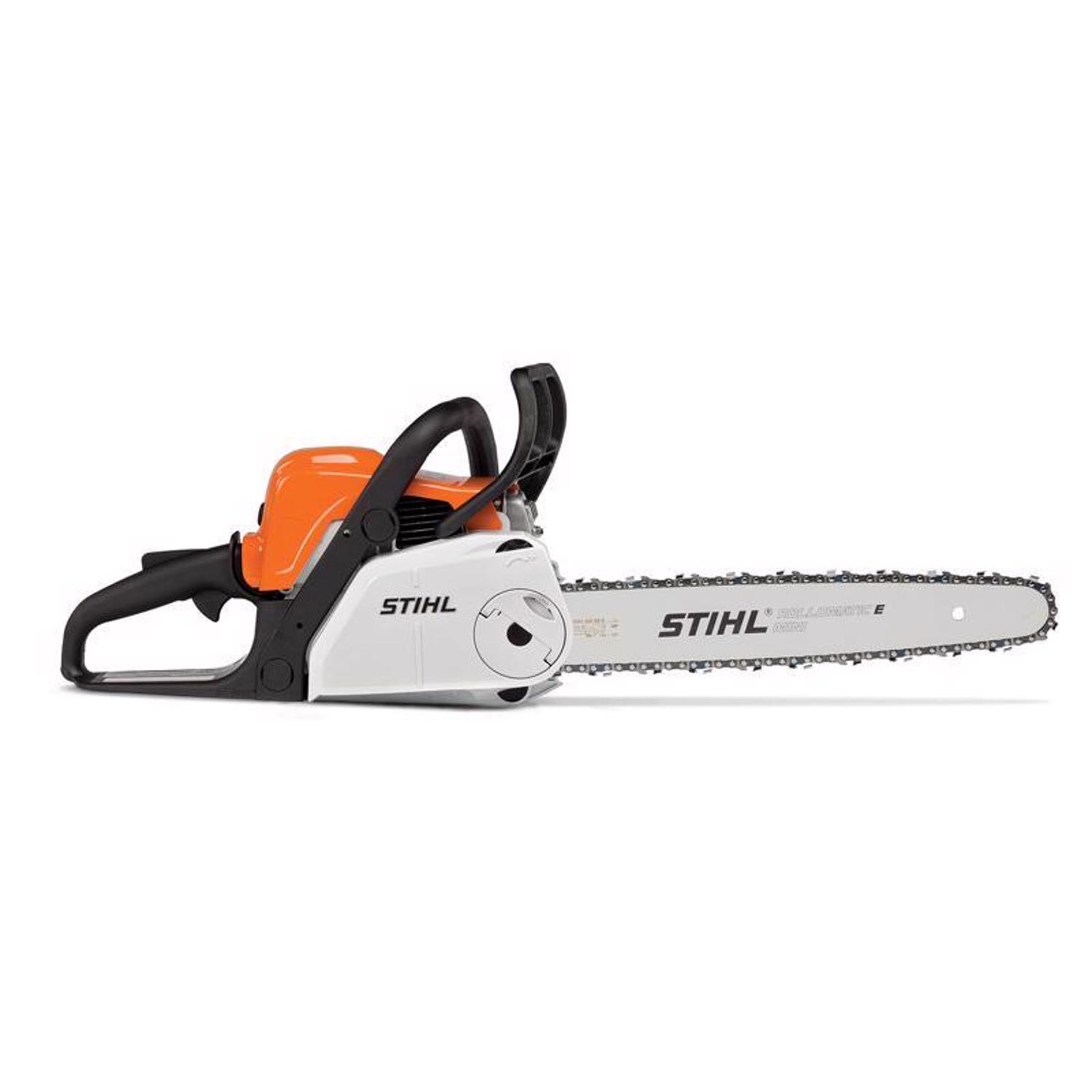
Stihl / Gas
~$320
Homeowners — especially anyone with shoulder or grip issues — who want the easiest-starting small gas saw for yard work and light firewood.
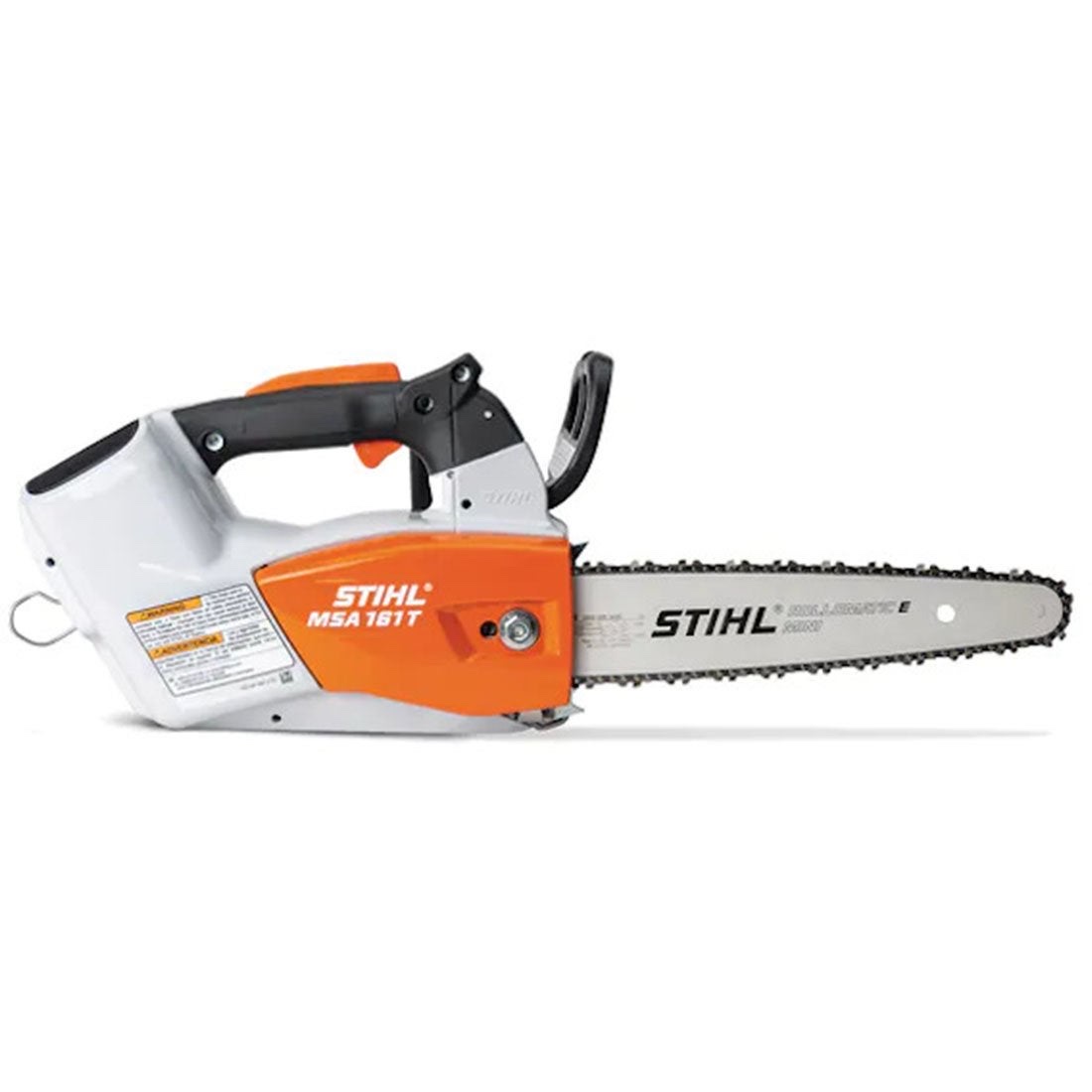
Stihl / Battery
~$330
Working climbers doing pruning and light removals who want a quiet, fumeless top-handle and already run Stihl AP packs.
The 8 questions that come up at the dealer counter and in firewood threads, answered the way a sawyer would answer them.
Size the bar to the wood, not your ambitions: a bar should be about 2 inches longer than what you cut most days. Storm cleanup and limbing lives happily at 14-16 inches, firewood duty at 18-20 inches on a 50cc-class engine, and serious felling starts at 60cc with a 20-24 inch bar. Oversizing costs you weight, money, and control — the saw you can run comfortably for an hour beats the bigger one in the garage. Full sizing walkthrough
For most homeowners — genuinely yes. A modern 56-80V saw matches a 40cc gas saw cut for cut, starts instantly, and needs almost zero maintenance. The honest limit is sustained work: bucking a truckload of oak drains packs faster than you can affordably swap them, and spare batteries cost as much as a gas powerhead. Occasional use, battery; all-day firewood or felling, gas still wins. The honest tradeoffs
At the pro level it's a coin flip that people argue about like sports teams; both build excellent saws and the spec sheets nearly overlap. The real answer is your local dealer: chainsaws need parts, warranty service, and the occasional carb tune, and the brand with a good servicing dealer 10 minutes away beats the brand with a slightly better power-to-weight ratio 45 minutes away. Echo deserves a look too — less prestige, 5-year consumer warranty. Full brand comparison
For a few weekends a year of light cleanup, a Poulan Pro or Craftsman will do the job — that's honestly what they're built for. What you give up is longevity and support: harder starting after sitting, plastic where the premium brands use magnesium, and carb problems that cost more to fix than the saw is worth. If you'll use it more than a handful of times a year, the $100 step up to an Echo or entry Stihl pays for itself.
Two culprits cover 90% of cases: dirt and the ground. Letting the tip kiss the soil once, or cutting dirty bark-on logs that were dragged through mud, will dull a chain in seconds — steel chain loses to silica every time. Touch up the chain with a file every tank or two of fuel, keep the wood off the dirt on a log or sawbuck, and a chain stays usable for months. If you're leaning hard on the saw to make it cut, it's already dull. Sharpening guide
Yes — chaps above all. Chainsaw injuries average 110 stitches, most of them to the left thigh, exactly where chaps stop a moving chain in a fraction of a second by jamming its clutch with fibers. A $70-90 pair of chaps, eye and ear protection, and a helmet for anything overhead is the whole kit for under $200 — less than one ER copay. No experienced sawyer skips chaps; only new owners do. Safety gear guide
Top-handle saws (Echo CS-2511T, Stihl MS 194 T) are built for professional arborists cutting one-handed while roped into a tree — that's the only reason the handle sits on top. On the ground they're more dangerous than a rear-handle saw, not less: the short body gives you far less leverage against kickback. If you're not climbing with a rope and harness, buy a light rear-handle saw instead. Retailers sell top-handles to anyone, but OSHA and every manufacturer say the same thing: in-tree use only.
Less than the horror stories, more than zero. The non-negotiables: run ethanol-free fuel or add stabilizer (stale gas is the #1 reason saws won't start), keep the chain sharp and tensioned, clean the air filter, and never run the bar oil dry. That's 10 minutes per outing. Battery saws delete nearly all of it — chain, bar oil, and charging is the whole list — which is a big part of why casual users are switching. The full maintenance list