Chainsaw Maintenance and Sharpening: The 10-Minute Habits That Matter
August 2026
Most 'broken' chainsaws aren't broken — they're dull, or they're full of stale fuel. Those two failures account for the overwhelming majority of frustrated owners, and both are prevented by habits that take minutes. Here's the honest maintenance list, what's actually optional, and what battery saws let you skip entirely.
Sharpness is 90% of performance
A sharp chain pulls itself into the wood and throws real chips; a dull one throws powder and makes you push. The moment you're leaning on the saw, or the cut drifts to one side, or you see dust instead of chips, the chain is done. Cutting with a dull chain isn't just slow — it overheats the bar, wears the sprocket, burns extra fuel, and causes the pushing that leads to kickback and pinches.
The cadence surprises new owners: touch up the chain every tank of fuel or two — a few file strokes per tooth, five minutes with the saw on a stump. What kills chains isn't wood, it's dirt: one touch of soil dulls a chain in seconds, and bark-on logs dragged through mud are sandpaper. Keep wood off the ground and never let the tip kiss dirt, and a chain lasts months of touch-ups before it needs serious work.
How to sharpen (and when to pay someone)
A round file in the correct diameter for your chain pitch, a file guide that holds the angle (usually 25-30 degrees), and equal strokes per tooth is the whole skill — guided file kits cost $15-$40 and are genuinely learnable in an afternoon. Every few sharpenings, the depth gauges (rakers) need a few strokes with a flat file, or the sharp teeth can't bite. Powered bench grinders are for fixing rocked chains, not routine touch-ups — they eat chain life fast in impatient hands.
If filing isn't happening, be honest and plan around it: pro shops sharpen chains for $8-$15, and a spare loop means the saw keeps working while one's in the shop. Self-sharpening systems like Oregon's PowerSharp trade a little cutting speed for push-button convenience — a fair deal for casual users. What isn't fair is 'sharpening' by buying a new chain every time; that's a $25 solution to a five-minute problem.
Fuel: where gas saws go to die
Ethanol-blended pump gas absorbs water and starts degrading in weeks, varnishing carburetors and eating fuel lines on saws that sit — which is most homeowner saws, most of the year. The fixes, in order of bulletproofness: run ethanol-free premix in cans (TruFuel and the brand-name equivalents — expensive per quart, cheap per carb rebuild), or ethanol-free pump gas with fresh 50:1 mix, or regular premium with stabilizer added the day you buy it. Never last month's mower gas.
Mix ratio matters exactly as much as the manual says: 50:1 with quality two-stroke oil, measured, not eyeballed — lean mixes cook pistons. Before storage longer than a month, either run the saw dry or fill it with premix. Spring 'won't start' season is really fall 'put away with pump gas' season.
The rest of the checklist
Bar oil, every fill-up: gas saws burn through their oil tank roughly in sync with fuel, and running the reservoir dry ruins bars and chains fast. Check the oiler is working by holding the running saw over a stump — it should sling a visible line of oil. Flip the bar every few chains so it wears evenly, and clear the bar groove and oil hole when you swap chains.
Chain tension, every outing: correct is snug against the bar but pullable around it by a gloved hand; a drooping chain derails, and a guitar-string chain eats the bar. New chains stretch and need re-tensioning after the first few cuts. Air filter, every few outings: tap it clean, wash when gummy — a choked filter mimics a dying engine. Annually: spark plug, fuel filter, and a look at the sprocket. That's the honest whole list for a gas saw — about ten minutes per outing.
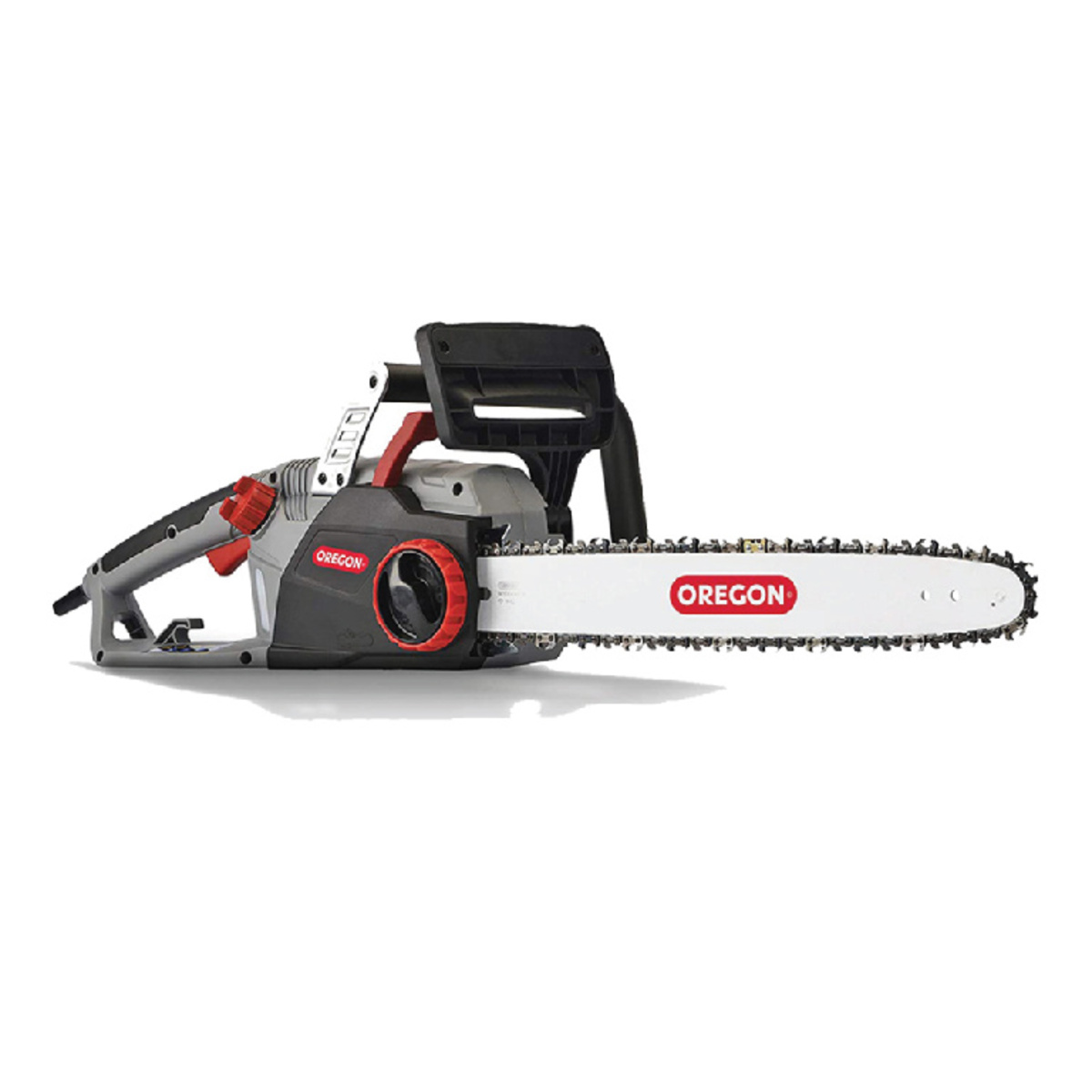
Battery saws delete nearly everything above except the chain: same sharpening, same tension, same bar oil (check it — electric saws still need it, and their tanks are small). No fuel, no filter, no plug, no carb. Store packs at partial charge somewhere that doesn't freeze. This maintenance gap, more than any spec, is why casual users are switching.
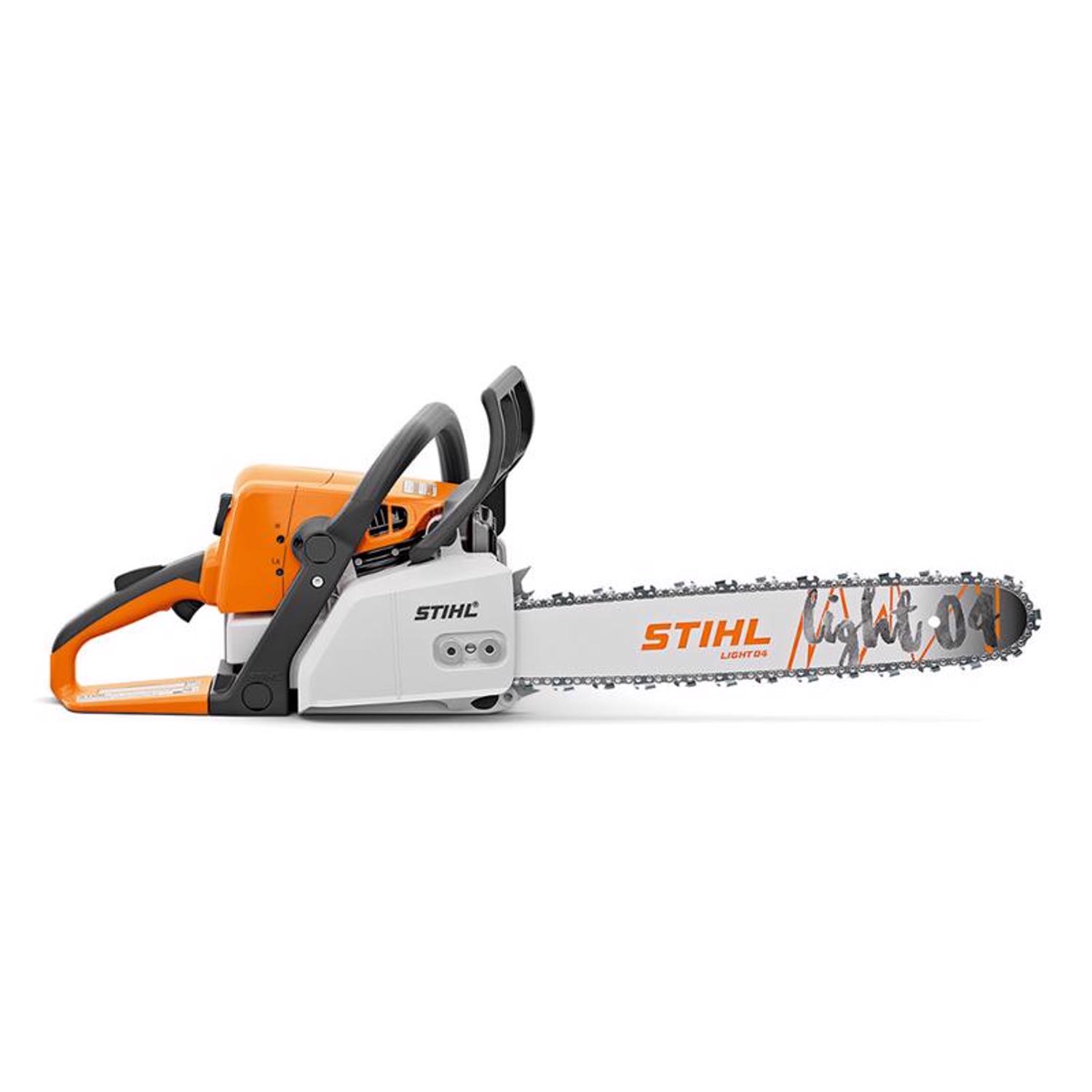
Budget-minded firewood cutters who want the most cutting power per pound and per dollar in Stihl's homeowner line and will tolerate old-school starting ritual.