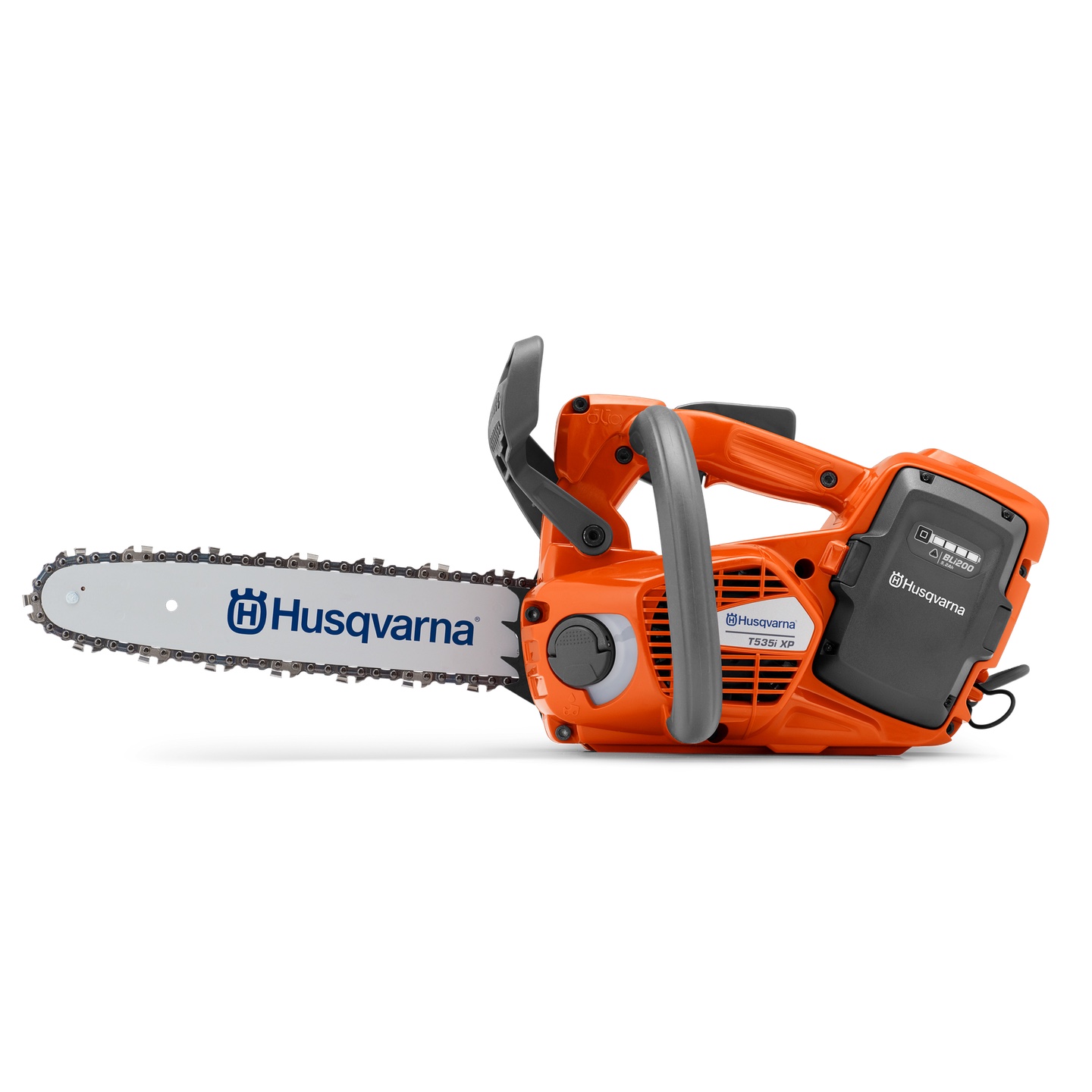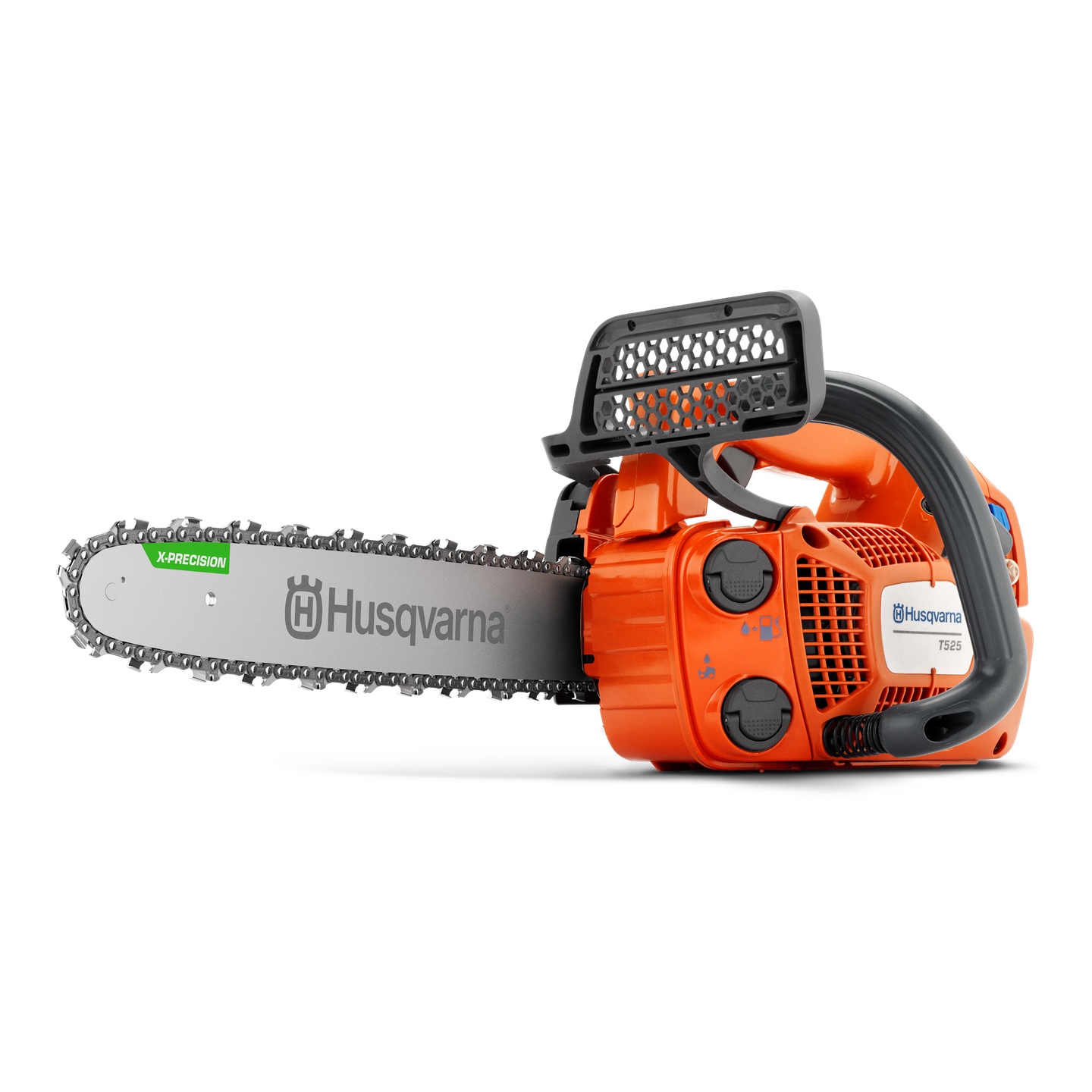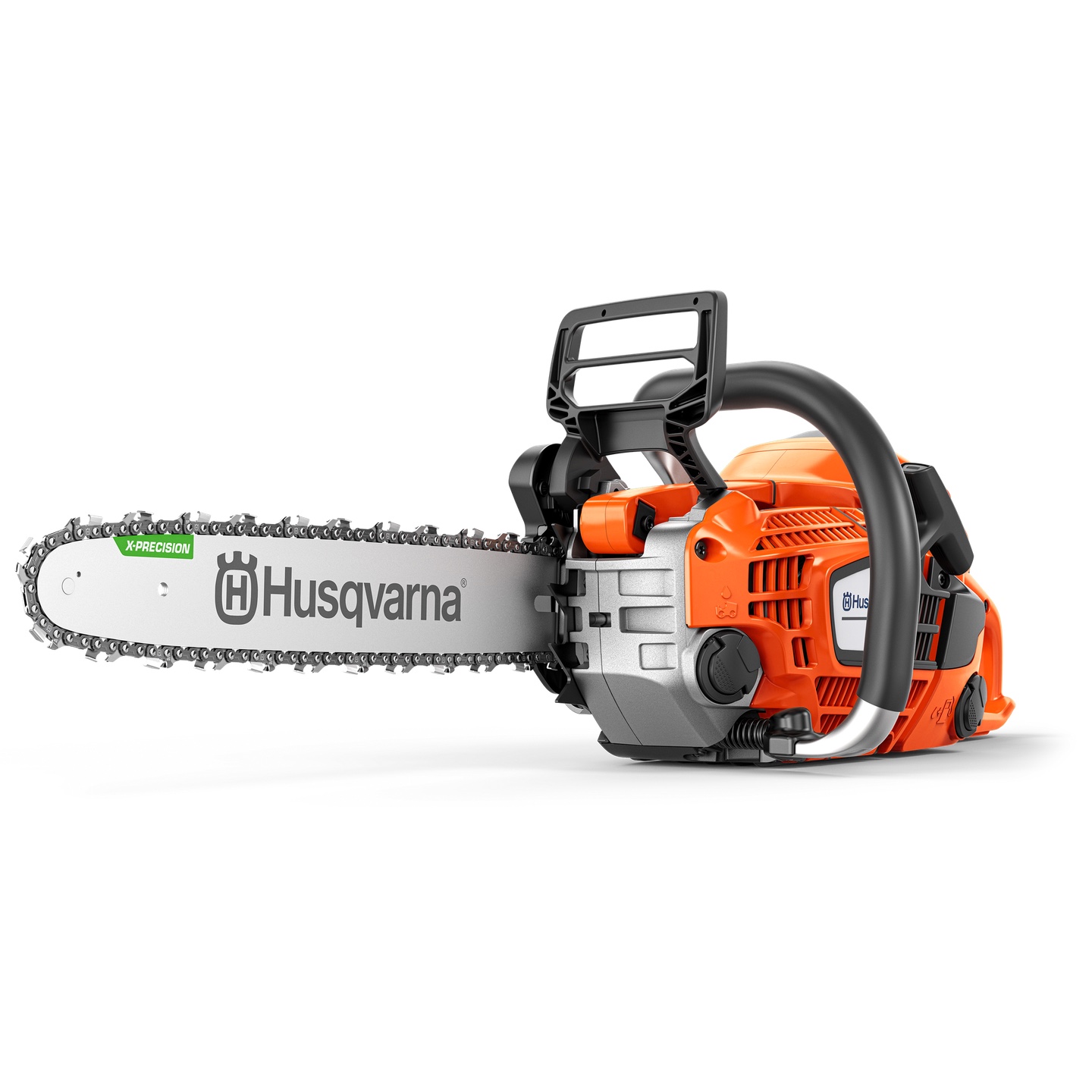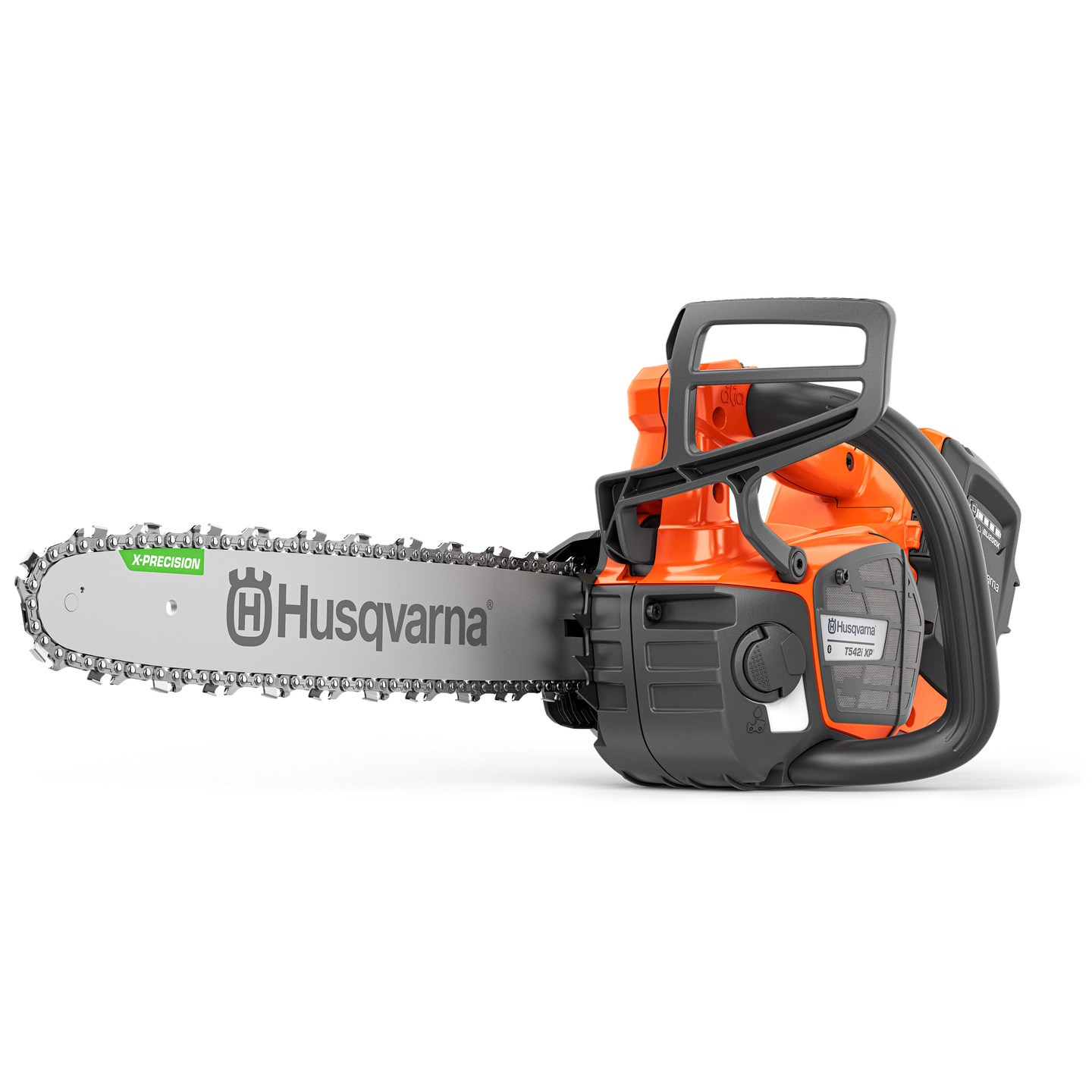
Husqvarna Chainsaws
Husqvarna has 11 saws on ChainsawRanker, priced from $219 to $1,349. The highest-rated Husqvarna pick is the Husqvarna 455 Rancher at 4.6★. Compare the full lineup below.

Husqvarna
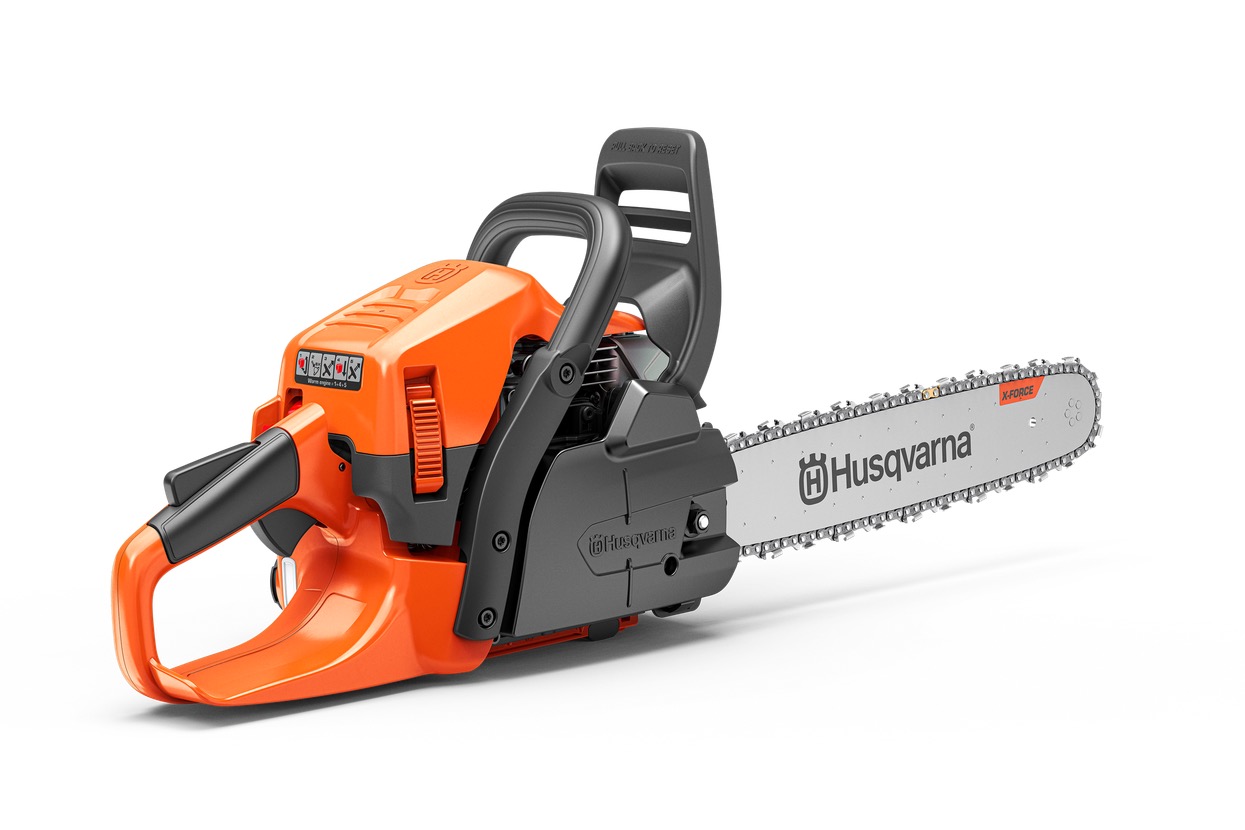
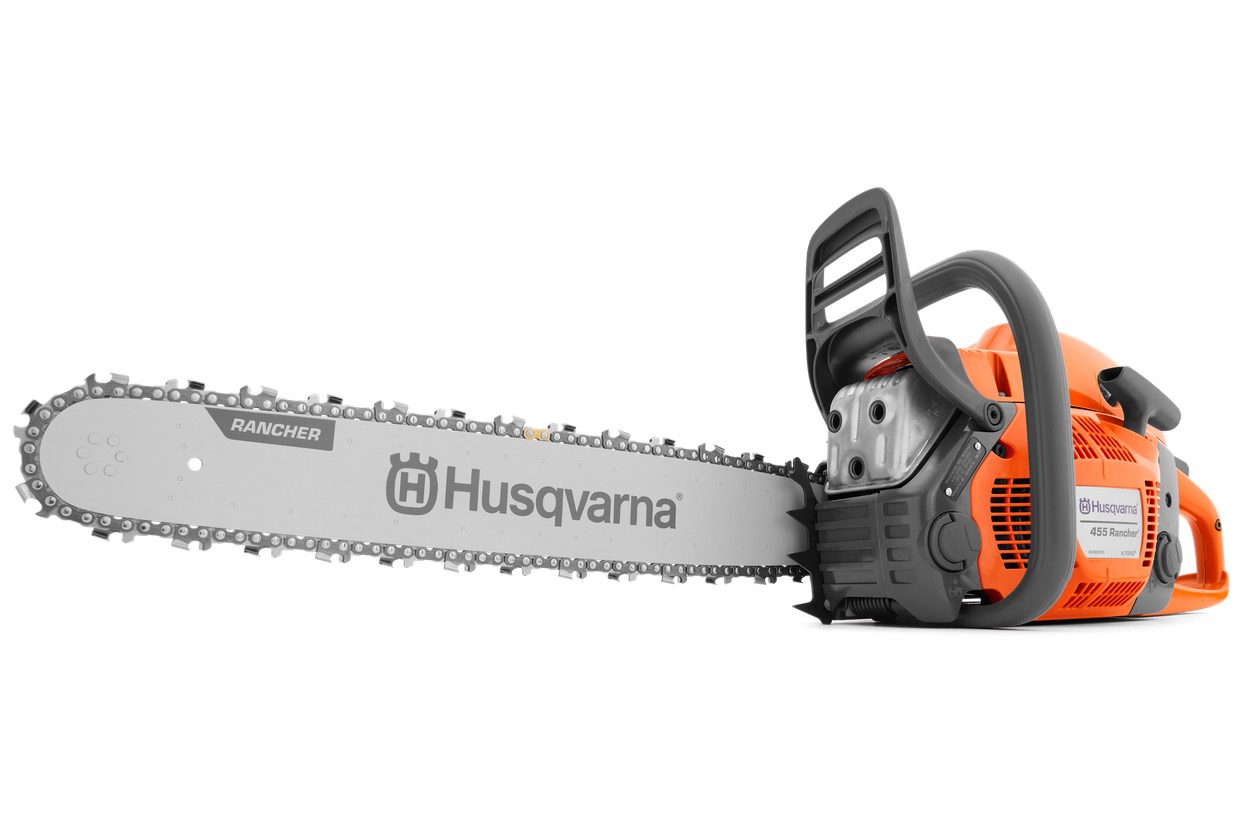
Husqvarna 455 Rancher
America's default farm saw, full stop — the 455 Rancher has been the answer to "what chainsaw should I buy for firewood" at Lowe's for two decades, and its 4.6-star average across about 700 reviews there says the formula still works: 55.5cc, a 20-inch bar, and a chassis that shrugs off neglect. Owners love that it starts spring after spring and pulls a full 20 inches through oak without drama. The counterpoint lives on the forums, where the 455 is the perennial punching bag: at 13.2 pounds for the powerhead it's genuinely heavy for its power class, the vibration is noticeable next to a 550 XP, and the pro crowd sniffs at the consumer crankcase. Both camps are right. This is a saw built to survive ranch sheds, not win power-to-weight arguments — and the Stihl MS 271 and Echo CS-590 comparisons are the most-argued matchups in the category for a reason.

Husqvarna
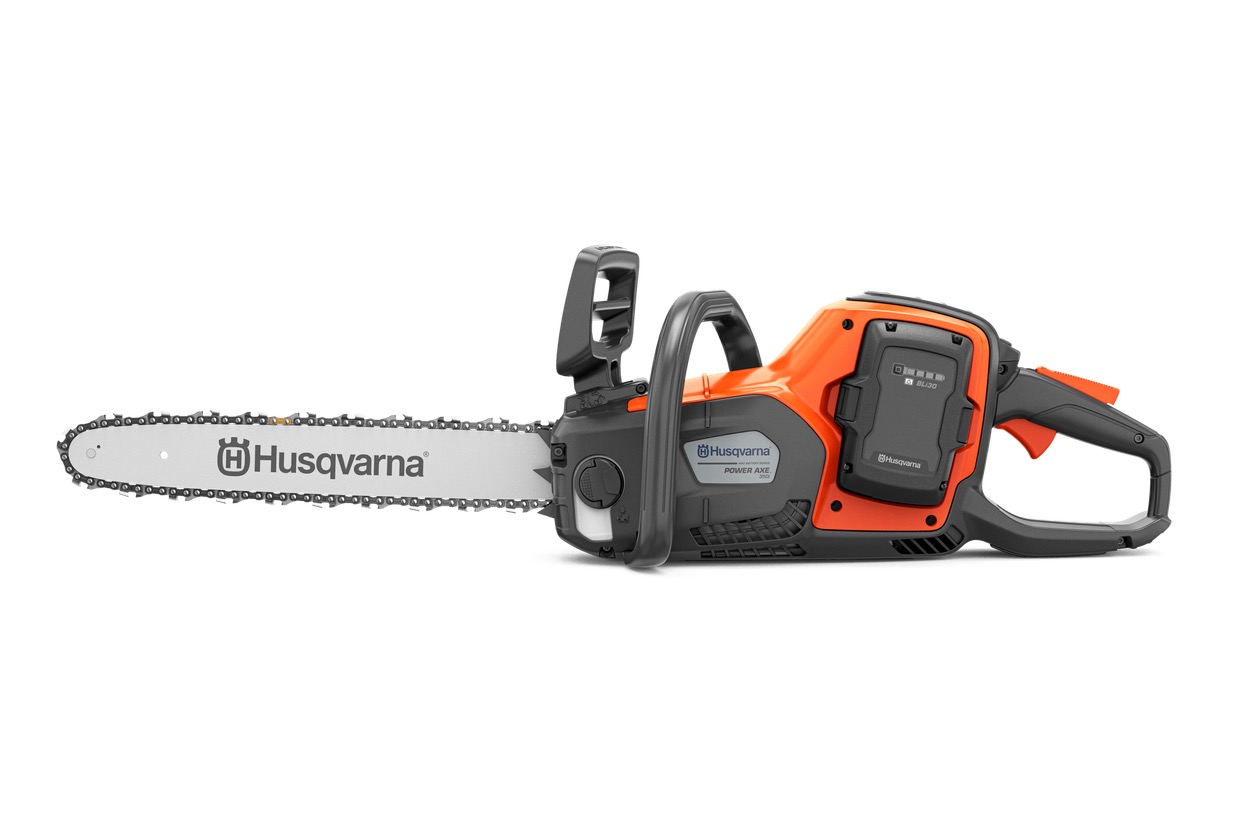
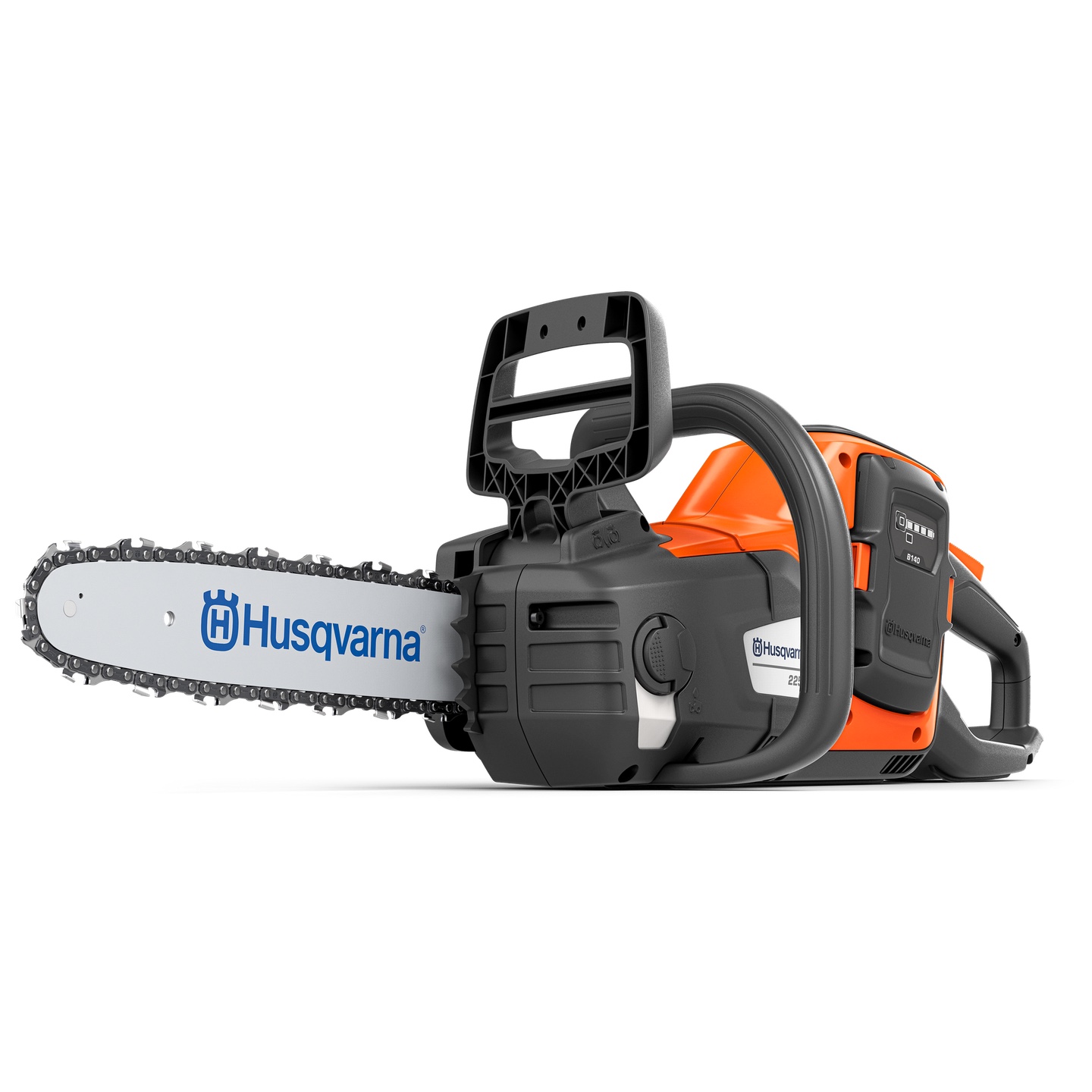
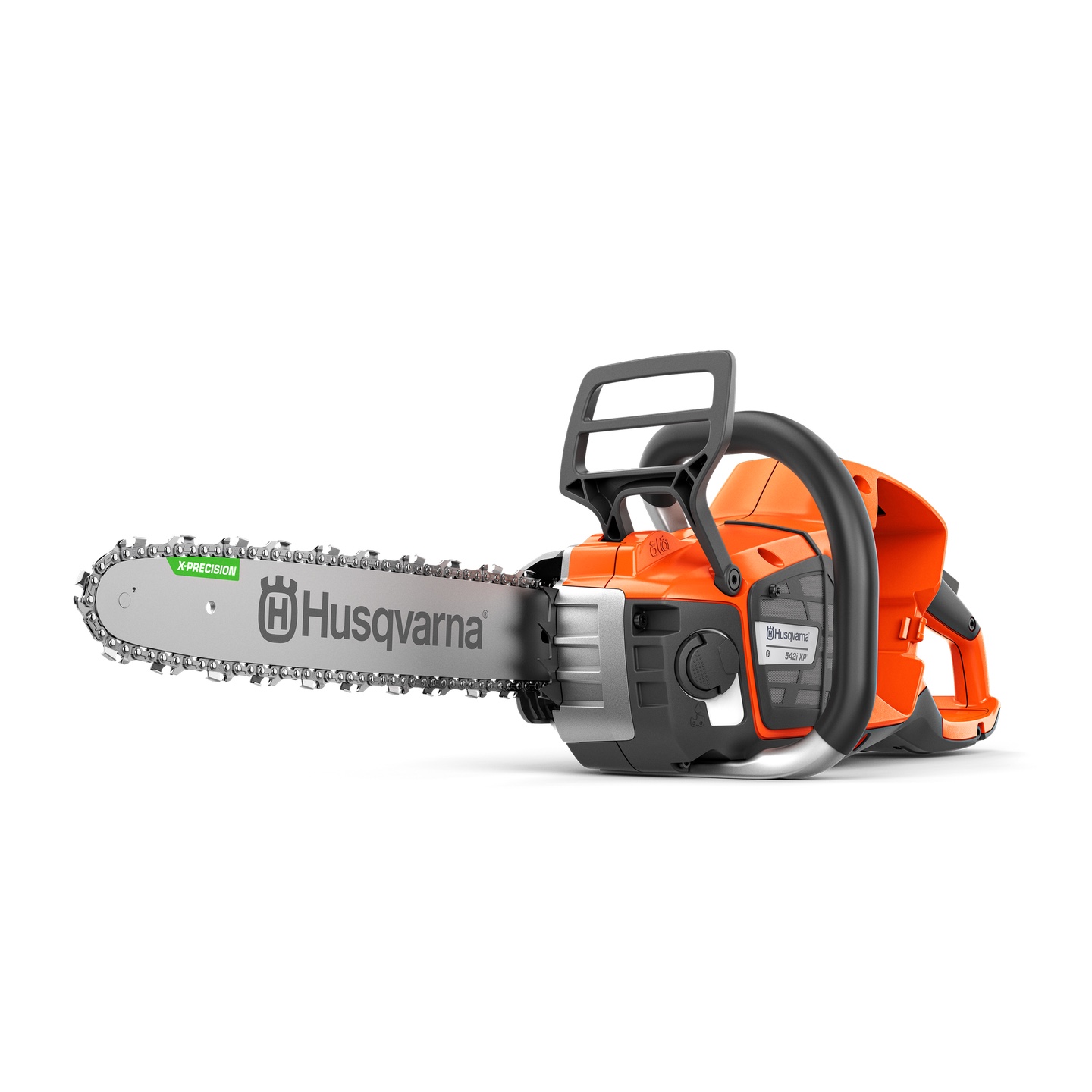
Husqvarna Power Axe 350i
Husqvarna's Lowe's-exclusive consumer battery saw, and one of the fastest-cutting saws in its class thanks to a boost mode that pulls 25% more power on demand. The kit is honest value: an 18-inch bar, a big 7.5Ah BLi30 pack, and charger for about $480, and testers measured it among the quietest saws in the category at 82 dB. Lowe's reviewers (4.4 stars across 300+ reviews) repeatedly describe dropping 18-22 inch hardwoods on a single charge and praise how light and balanced it feels under 14 lbs with battery. The 1-star tail is worth reading, though: recurring complaints about the tool-less chain tensioner losing tension, water intrusion killing saws stored outdoors, occasional battery failures, and frustrating Husqvarna warranty support. It's also a closed ecosystem play — the 40V Power Axe batteries don't cross over to Husqvarna's dealer-line pro tools. For yard trees and storm cleanup it punches well above its price; heavy firewood cutters will find its limits.

Husqvarna
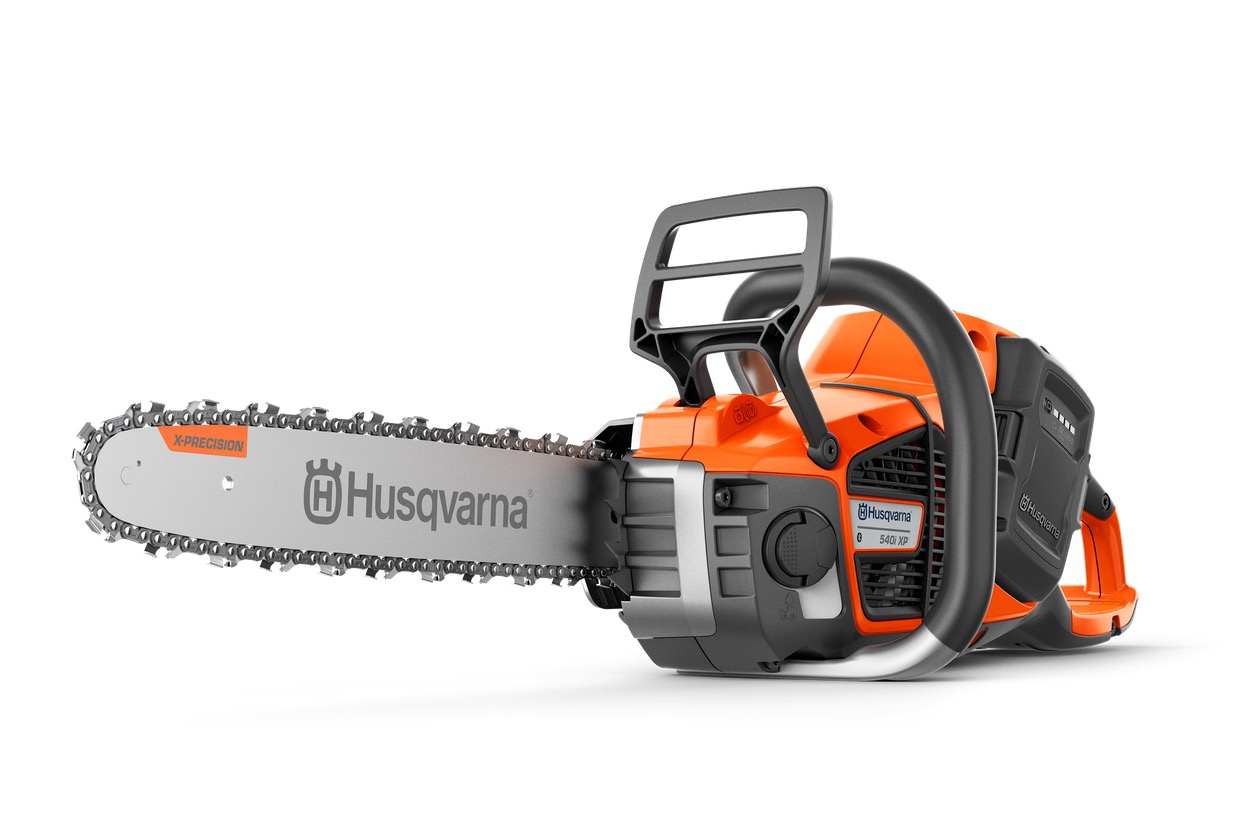
Husqvarna 540i XP
Husqvarna's professional battery rear-handle, rated equivalent to a 40cc pro gas saw, and the one utility and trail crews reach for because it's genuinely light — 6.4 lbs bare, around 10.6 with the high-capacity 40-B330X (BLi300-class, 9.4Ah) pack. The narrow .325 mini / .043 X-Cut chain and 79 ft/s top chain speed produce clean, fast cuts, and owners report about 40 minutes to an hour of intermittent work per charge with savE mode. ArboristSite feedback is candid about the ceiling: it excels brushing and felling small trees, but pushed into 6-10 inch firs at full slash pace it will stall or flounder — this is a 40cc saw, not a 50cc one. Reliability reports are mostly good, with exceptions worth knowing: at least one documented melted main control board (a $200 repair) and a charger owners describe as fragile. Husqvarna typically sells the saw, battery, and charger separately in the US; complete 16-inch dealer kits run about $1,100, which is the honest number to compare against gas.

Husqvarna
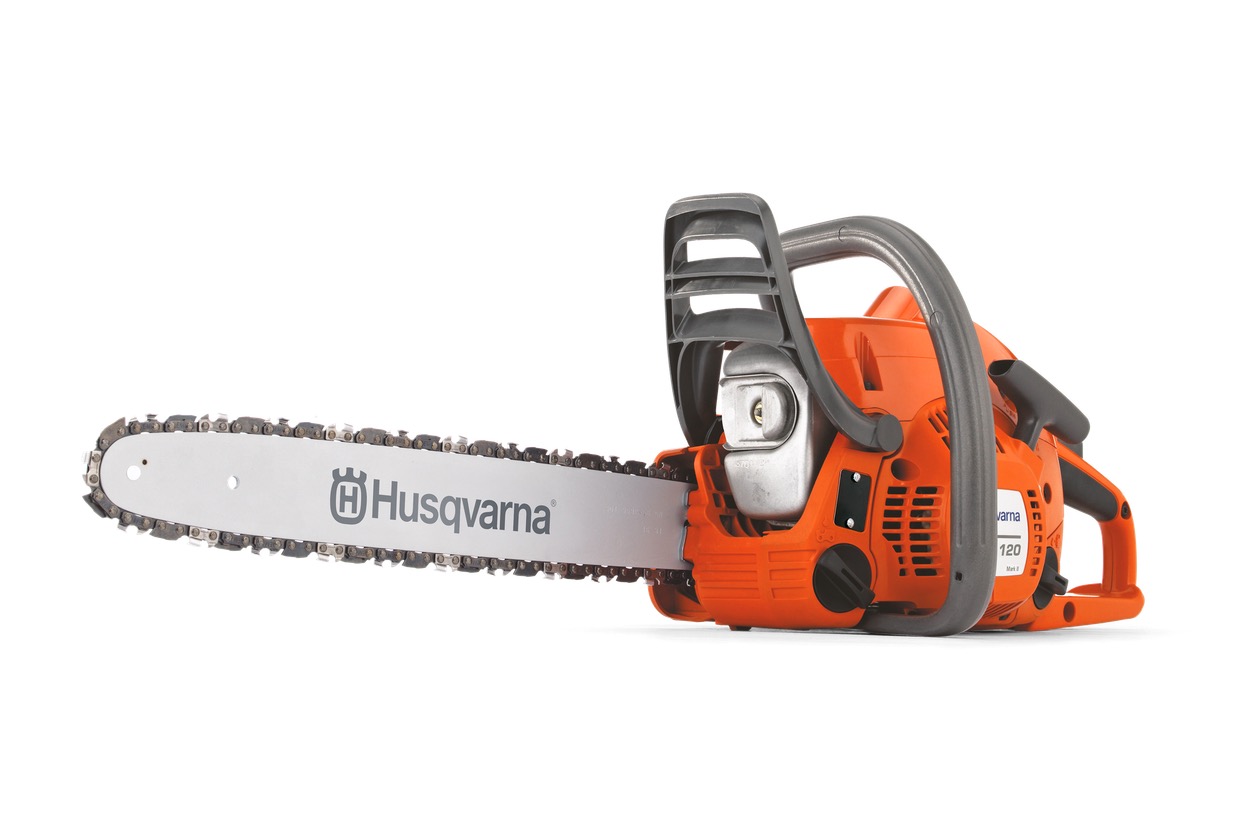
Husqvarna 120 Mark III
Husqvarna's answer to the Stihl MS 170 fight at the bottom of the gas market, now in its third generation: 38.2cc, a hair over 10 pounds, and a $219 price at Lowe's that gets a real Husqvarna badge into suburban garages. Owners like the X-Torq engine's fuel sipping and the light, neutral balance for limbing and storm cleanup, and the Mark III now carries bars up to 18 inches. The gripes are consistent and worth knowing: cold starts take more pulls than the ritual printed on the recoil housing suggests, the plastic construction reads budget next to the 400-series, and the tool-required chain tensioning annoys people coming from big-box battery saws. It's built in the same value tier as the Poulan hardware it shares DNA with — the badge buys you Husqvarna's dealer network and parts availability, which is exactly what the no-name saws at this price lack.

Husqvarna
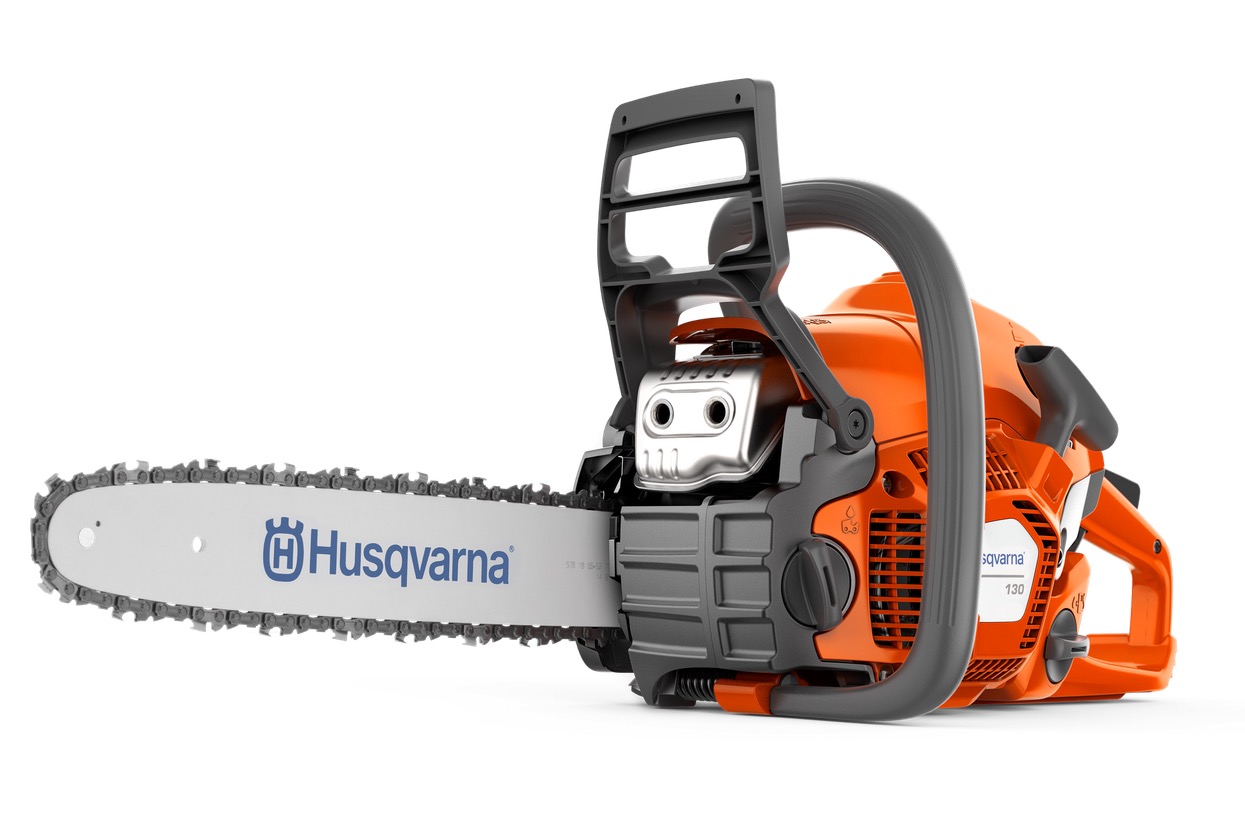
Husqvarna 130
The 130 is the 120's slightly stronger sibling — same 38.2cc bones with a two-horsepower tune and a 16-inch bar as standard for $259. That extra bit of chain speed matters more than the spec sheet suggests: owners report it holds RPM through 10-12 inch rounds where the 120 starts asking for patience. It shares the 120's honest limitations too — a budget airbox, tool-required tensioning, and a cold-start routine you'll memorize — and the forum consensus is blunt about the tier: this is a homeowner saw for occasional duty, not a firewood machine. The interesting cross-shop isn't Stihl; it's Husqvarna's own 435 II, which for about $120 more buys a genuinely nicer saw. But as a step up from the 120 that keeps the price under $300, the 130 hits a spot the competition mostly ignores.

Husqvarna
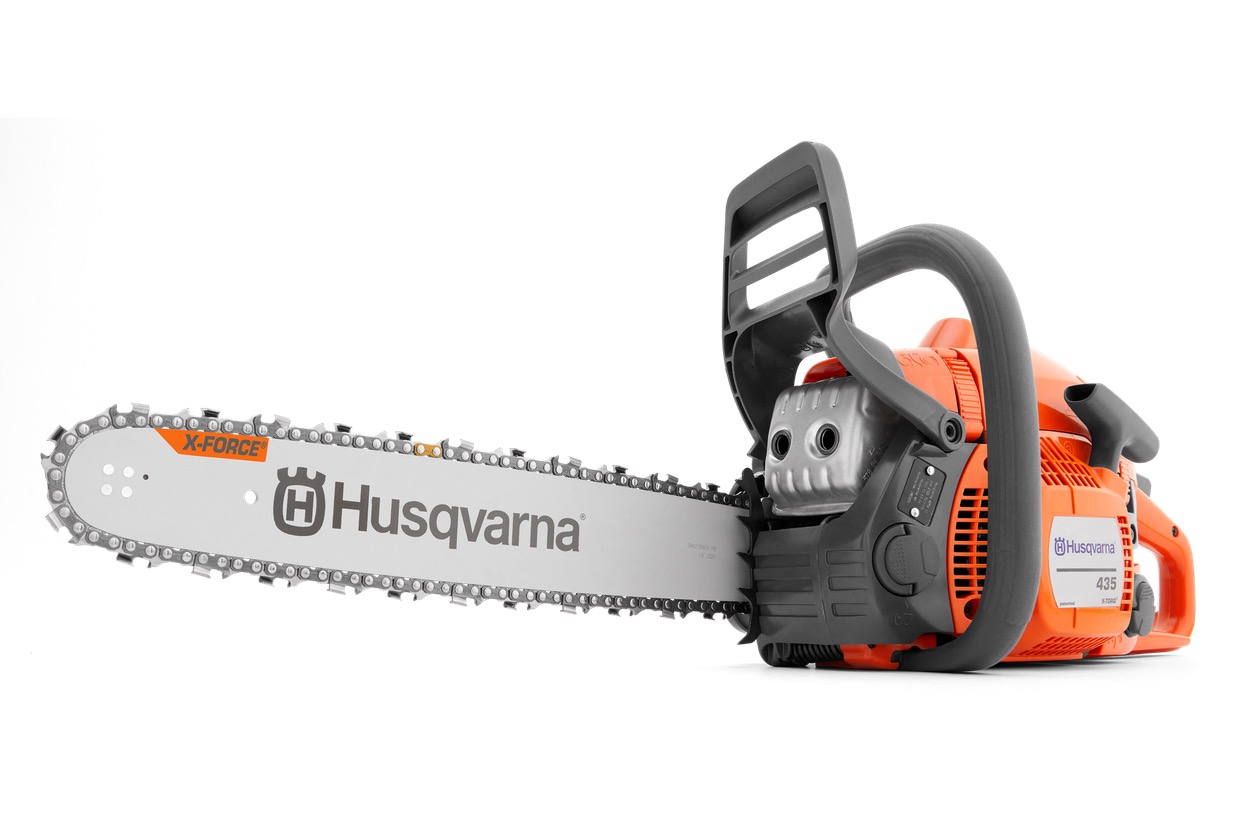
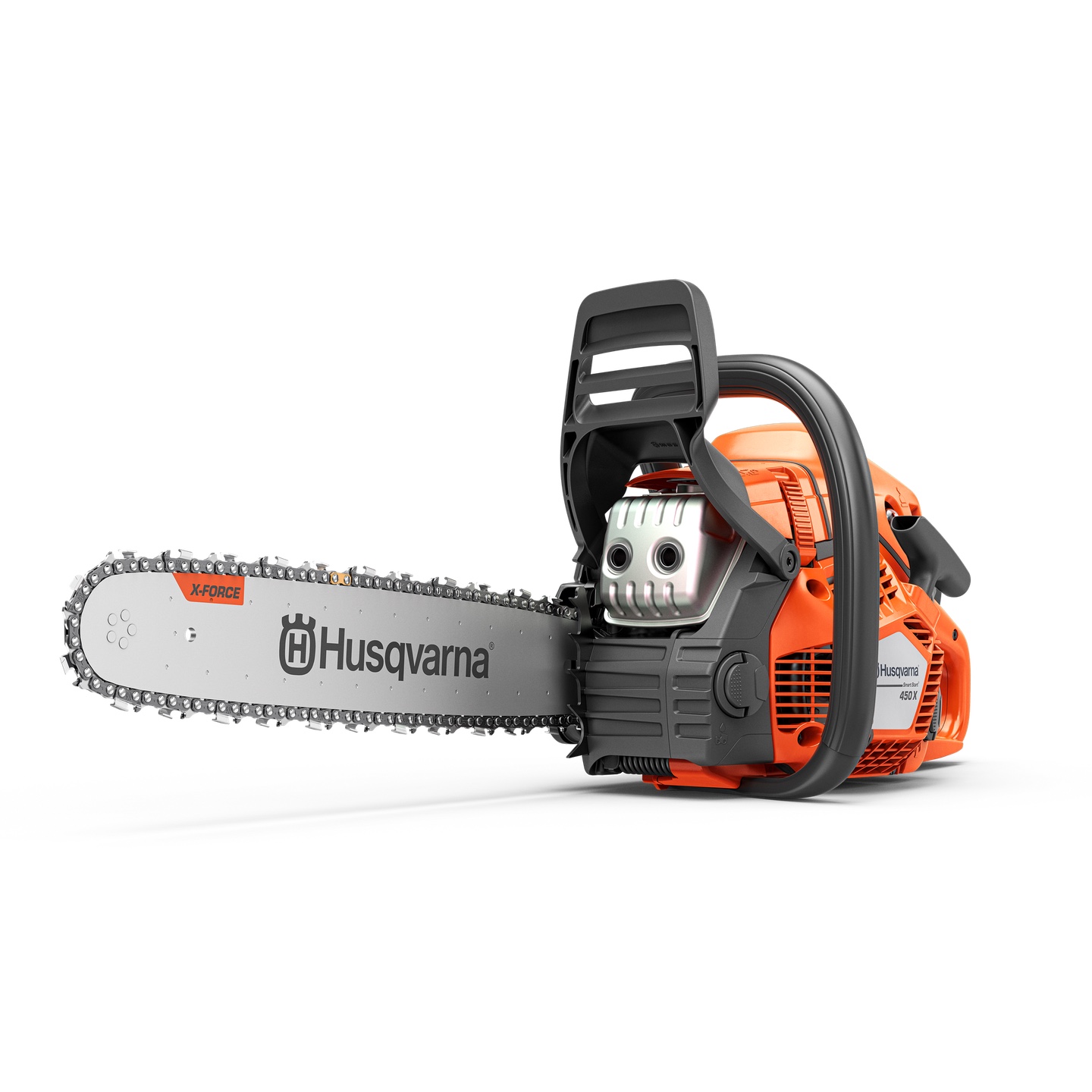
Husqvarna 435 II
The 435 II is where Husqvarna's homeowner line stops feeling built to a price: a 40.9cc X-Torq engine in a 9.8-pound powerhead, which makes it one of the lightest real gas saws you can buy. Owners consistently praise exactly that combination — enough grunt for a 16-inch bar and small felling, in a package light enough that limbing all afternoon doesn't wreck your forearms. The .325 chain cuts smoother than the 3/8 mini on the 1-series, the air filtration is a genuine step up, and LowVib makes it far more pleasant than its price peers. The honest knocks: it's carbureted and fussy about stale fuel like every small two-stroke (spring no-start posts are a forum staple), the auto-oiler runs conservative from the factory, and at $379 it overlaps Echo's CS-4010, which brings a 5-year warranty to the same fight. Still the pick for weight-sensitive buyers.

Husqvarna
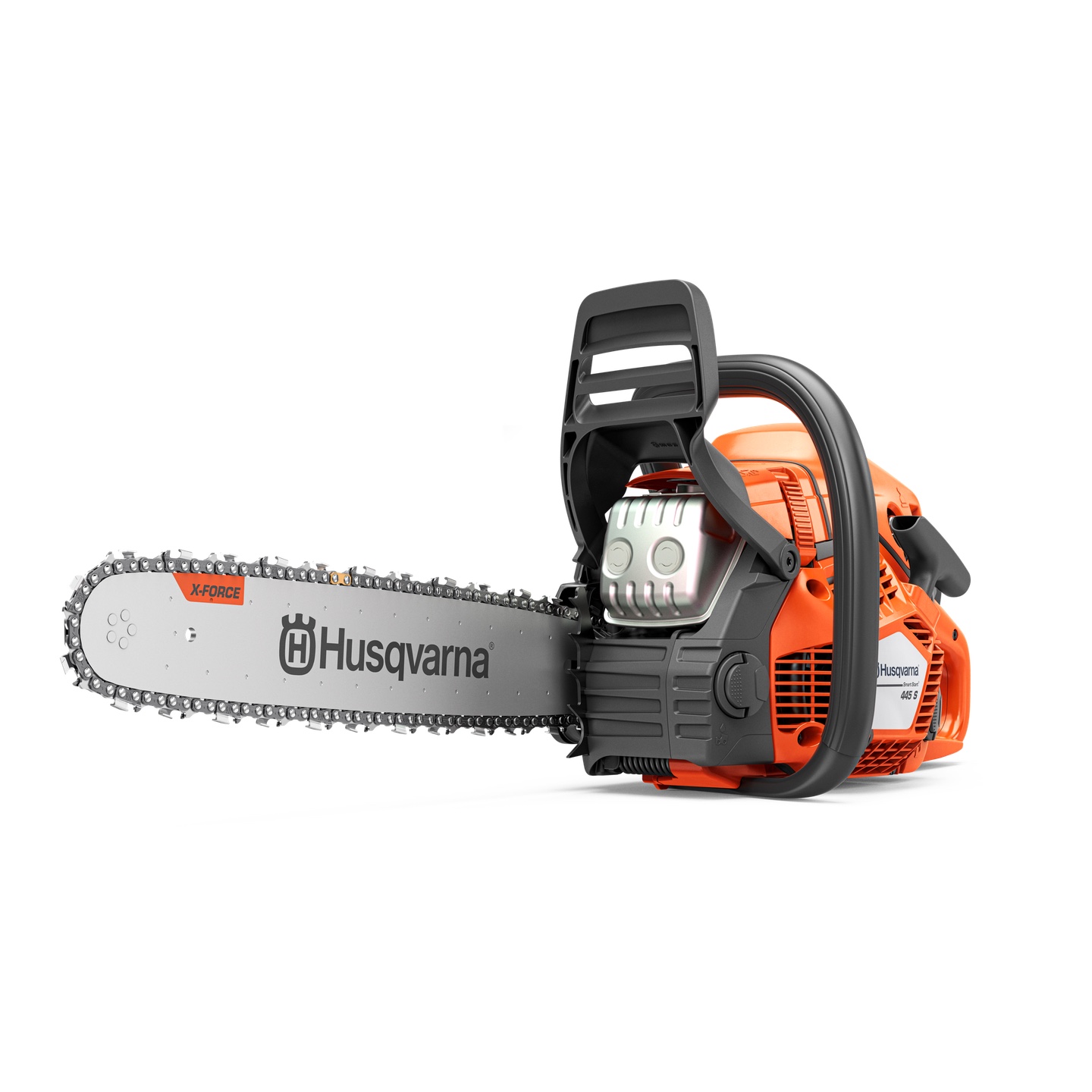
Husqvarna 450S Rancher
The current evolution of the 450 Rancher II, and quietly the smart buy in Husqvarna's Rancher lineup: 50.2cc making 3.2 horsepower in an 11-pound powerhead — over two pounds lighter than the 455 that everyone defaults to. Owners who cross-shop the two keep landing on the same math: the 450-class gives up a little displacement but swings all day, and the .325 chain keeps it smooth in the 12-16 inch hardwood that makes up most real firewood work. Street prices at dealers run $470-500. The knocks are familiar Rancher-line stuff: it's a consumer-grade crankcase built for weekends rather than pro duty, the factory chain is unimpressive, and Husqvarna's model churn (450, 450e, 450 Rancher II, now 450S) makes parts lookup mildly annoying. If your firewood pile doesn't demand the 455's extra cc, this is less money and less fatigue for the same cords.

Husqvarna
Husqvarna 460 Rancher
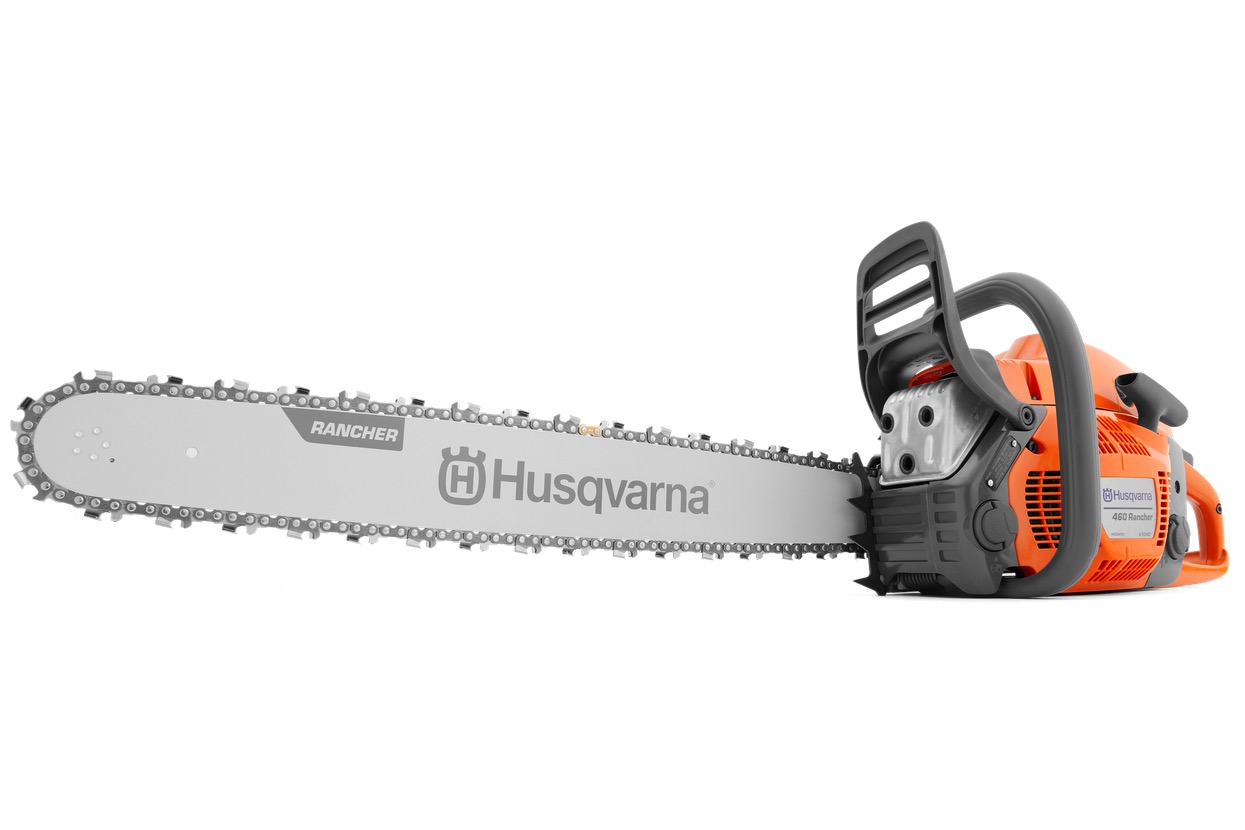
The 460 Rancher is the 455 with a bigger bore — same 13.2-pound chassis, same ranch-tough intent, but 60.3cc and the factory 24-inch bar that sells it: this is the Rancher for people with genuinely big wood. Owners who bought it for storm-downed oaks and large-lot clearing say it does exactly what the 455 can't quite, holding chain speed through 20-plus-inch rounds. The tradeoffs are the 455's, unchanged: the weight is real, the vibration is real, and with only a tenth of a kilowatt more than its smaller sibling, what you're buying is torque and bar capacity rather than speed. Forum wisdom cuts two ways — some call it the best value in big consumer saws, others point out that the Echo CS-590 gives up nothing meaningful for $200 less. If a 20-inch bar covers your wood, buy the 455 or the Echo; if it doesn't, the 460 is the cheapest credible 24-inch saw from a major brand.

Husqvarna
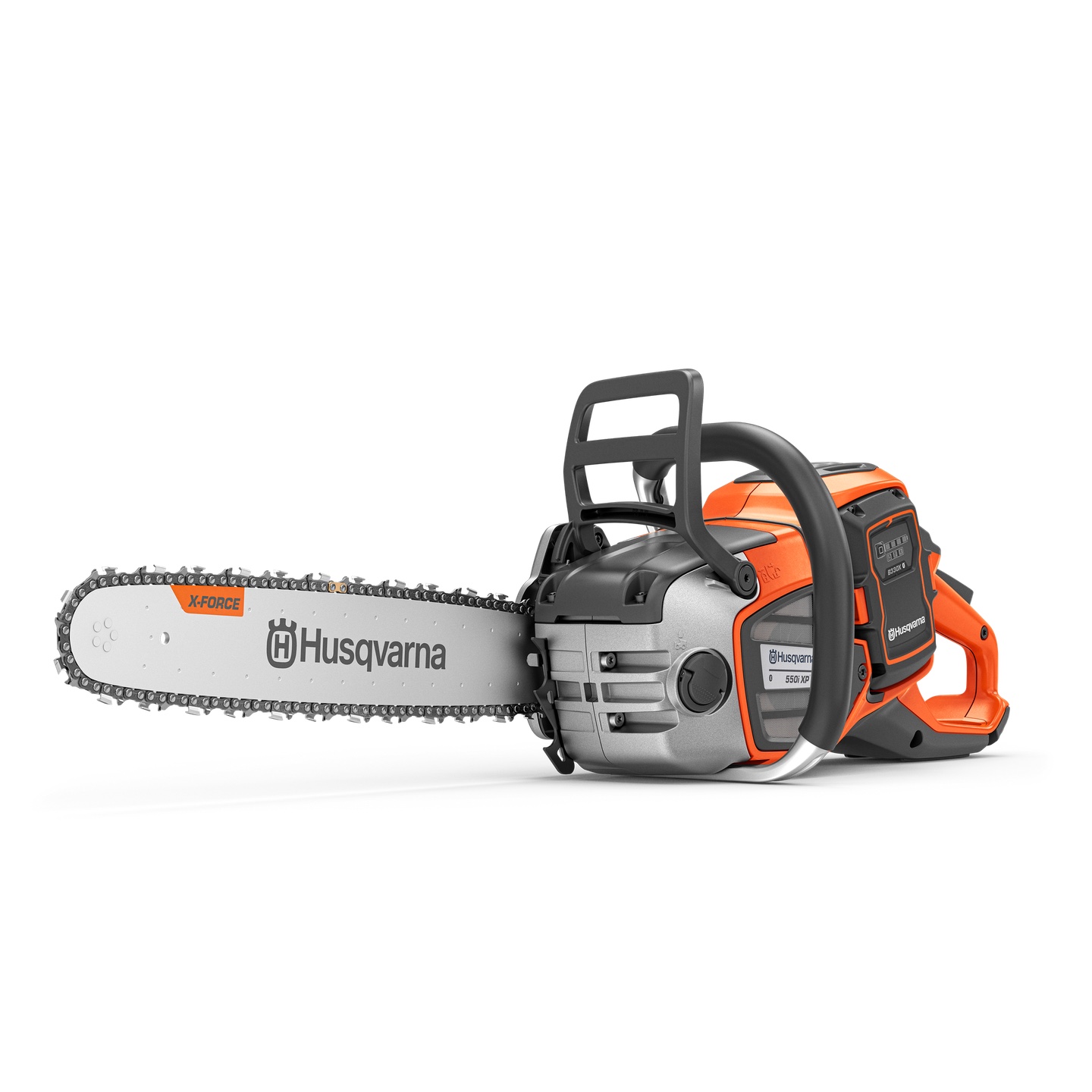
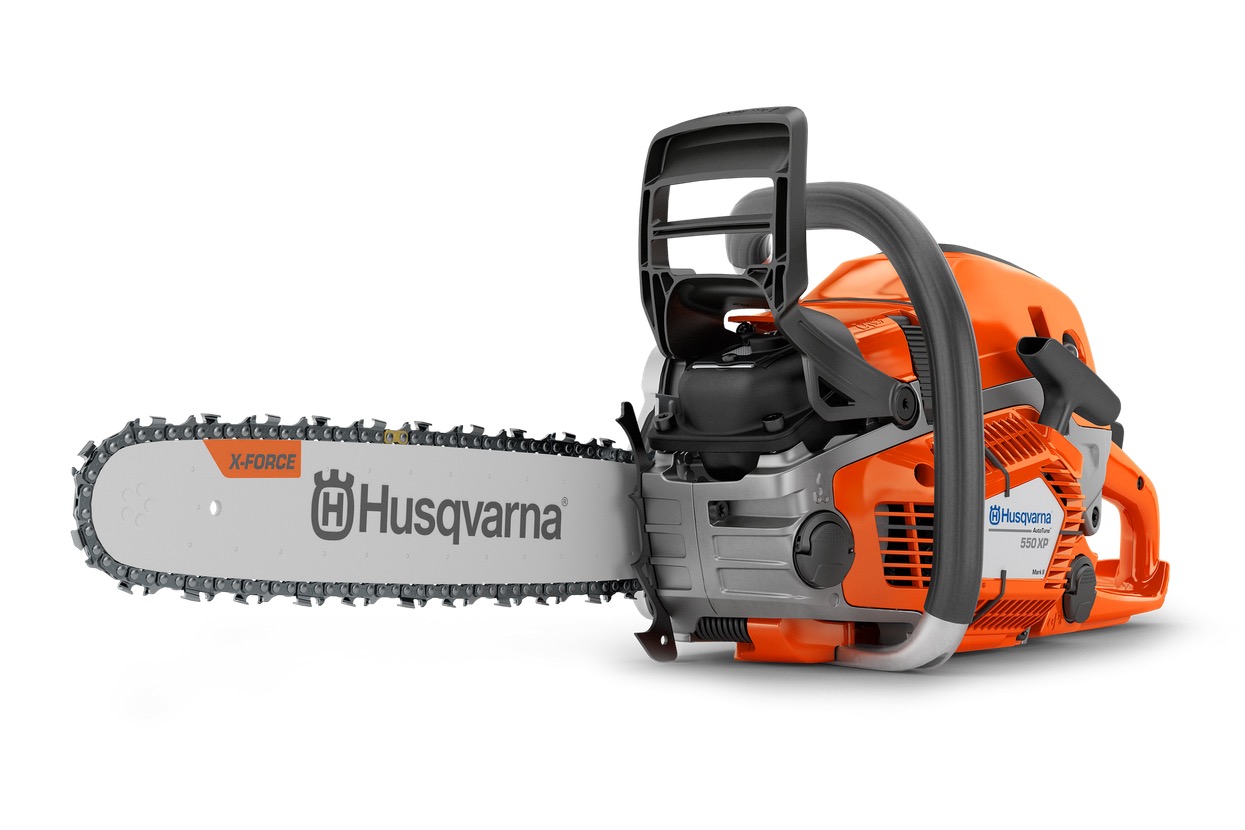
Husqvarna 550 XP Mark II
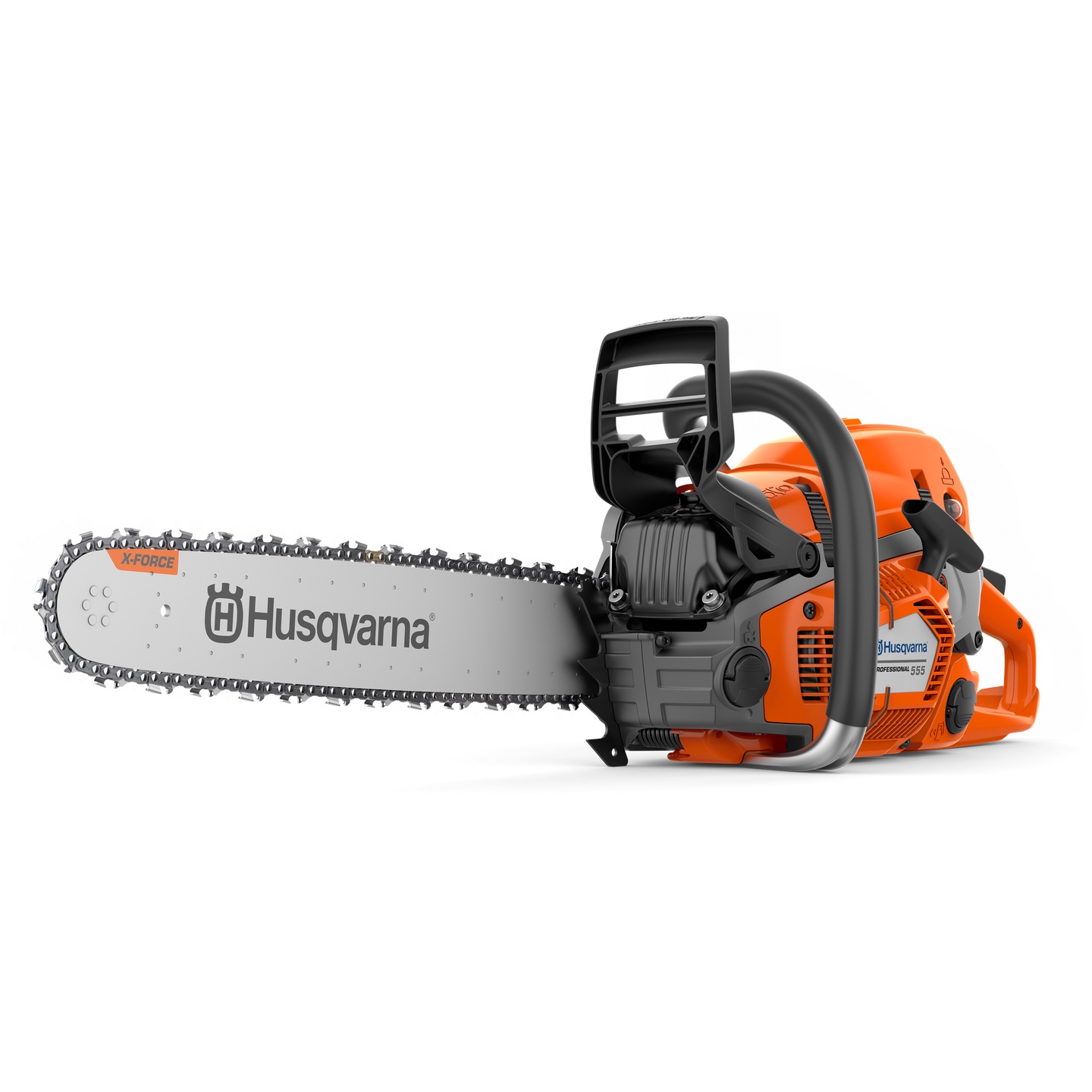
The 550 XP Mark II is what happens when a manufacturer actually fixes a saw: the original 550 XP's air-leak and AutoTune teething drama is gone, and what's left is arguably the best 50cc saw money buys — four horsepower at 11.7 pounds, an X-Cut chain from the factory, and handling that arborists describe as telepathic in the limbs. Dealer pricing runs $660-760, and the pro crowd that was burned by the Mark I now recommends the Mark II without caveats, which is its own kind of endorsement. AutoTune means no carb screwdriver, ever — it compensates for altitude, fuel, and filter condition automatically. The honest asterisks: it wants to rev and rewards full-throttle technique (lug it and it feels flat), dealer-only distribution means no big-box convenience, and casual cutters are paying a $250 premium over a Rancher for refinement they may never use. For daily-use limbing and firewood at speed, nothing in the class touches it.

Husqvarna
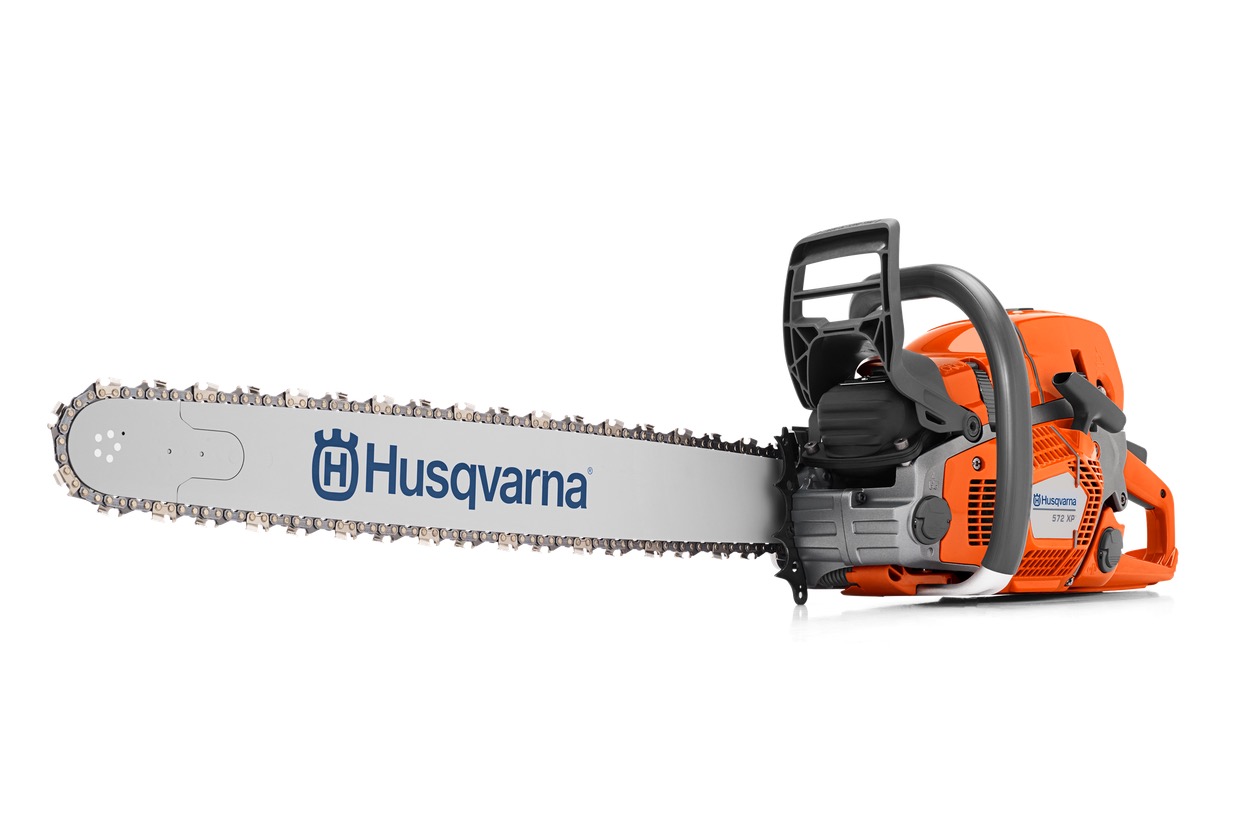
Husqvarna 572 XP
Husqvarna's 70cc flagship and one half of the great modern felling-saw rivalry — every 572 XP thread eventually becomes a Stihl MS 462 thread, and the fact that neither side wins is the point: both are spectacular. The 572's case is 5.8 horsepower with AutoTune, cooling and filtration designed for all-day timber work, and vibration numbers that let pros run it for full shifts. Owners praise how it pulls long bars — 24 inches is its sweet spot and 28 is genuinely workable — and how the X-Torq engine keeps torque flat deep into the cut instead of falling on its face. The knocks are few and honest: at 14.5 pounds it gives up half a pound to the MS 462, early-production cylinder issues (since resolved) still echo around ArboristSite, and the $1,349 list price plus dealer-only service makes it a professional's purchase. For felling and bucking serious timber, this and the 462 are the two right answers.

Husqvarna
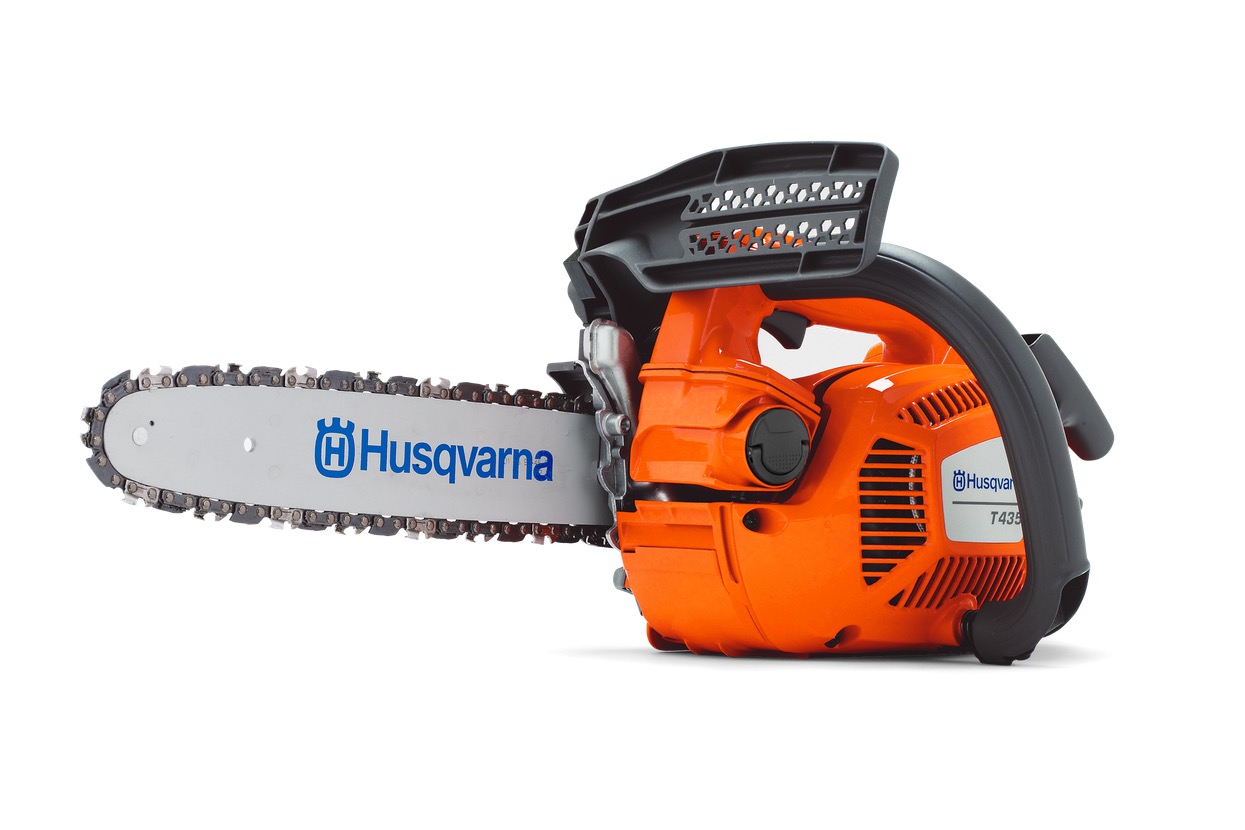
Husqvarna T435
Husqvarna's budget top-handle has quietly outlived several rumored replacements — it's still sold new in the US at around $429 (12-inch bar) while the flagship T540 XP Mark III runs $719. ArboristSite is candid about where it sits: "you won't find much love around here for a T435, but it's fine for the occasional-use homeowner type," though at least one commercial outfit ran three of them and kept buying because they were half the price of the old 338 XPT. The 35.2cc X-Torq engine is fuel-efficient and the 7.5 lb powerhead balances nicely in hand — several owners say it feels better than the spec sheet reads. The wear points show up under commercial abuse: stiff chain brakes, kill-switch failures, carb rebuilds, a torn intake boot on hard-used units, and an idle that wanders as the saw ages. Buy-once-cry-once voices push climbers to the T540 XP instead, and that's fair — this is the pruning saw for orchards, storm cleanup, and part-time climbing, not production takedowns. As a dealer-channel saw with no verifiable retail review aggregate, its reputation lives in forums, where the consensus is: honest little saw, know its lane.