Read from owner discussions, long-term write-ups and dated retail reviews; nothing here was measured on this site.
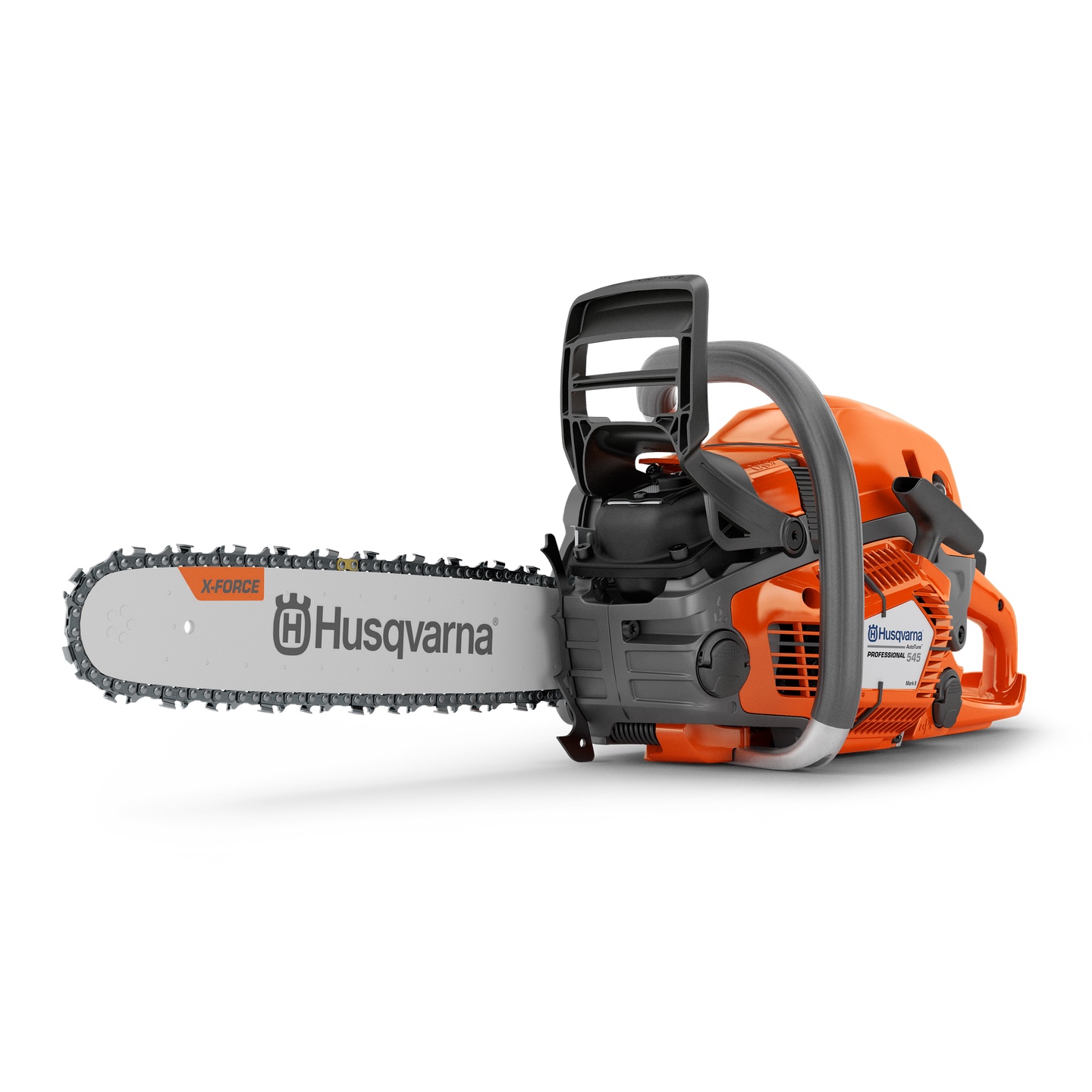
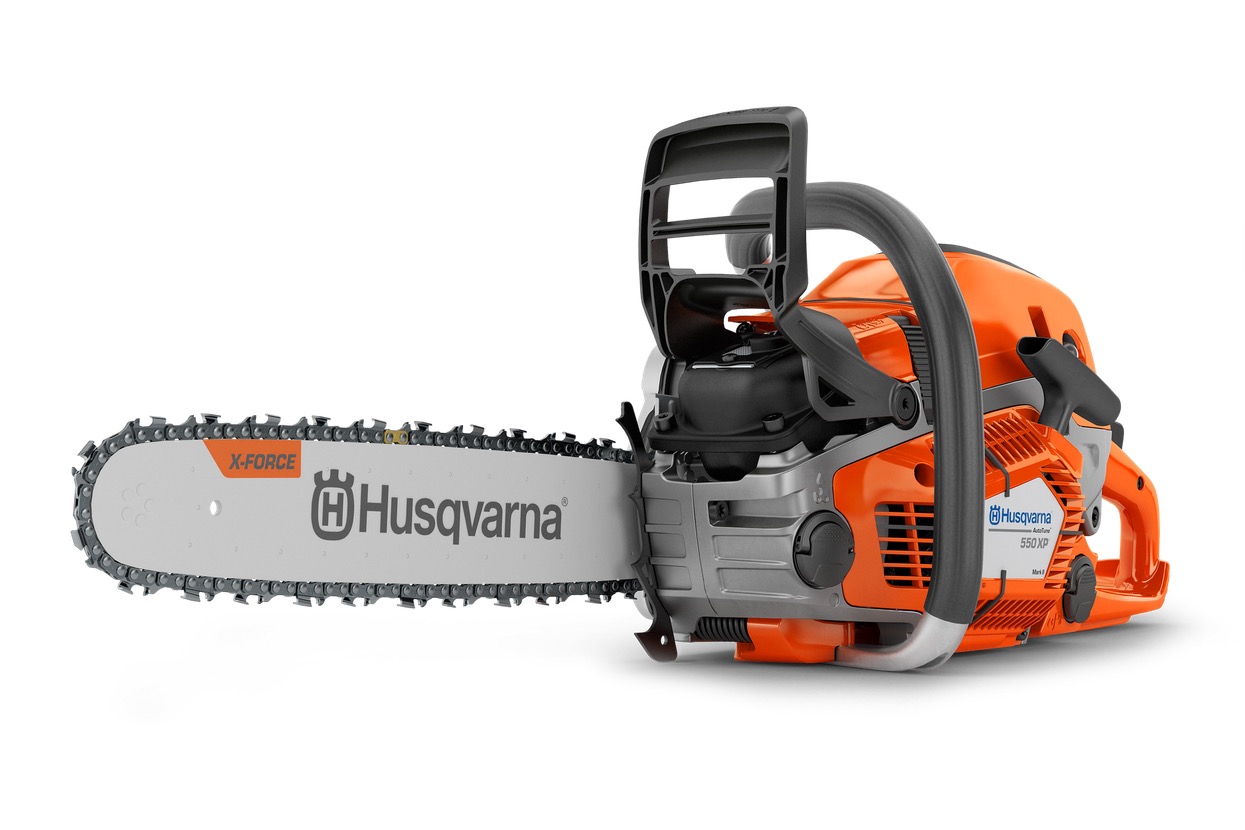
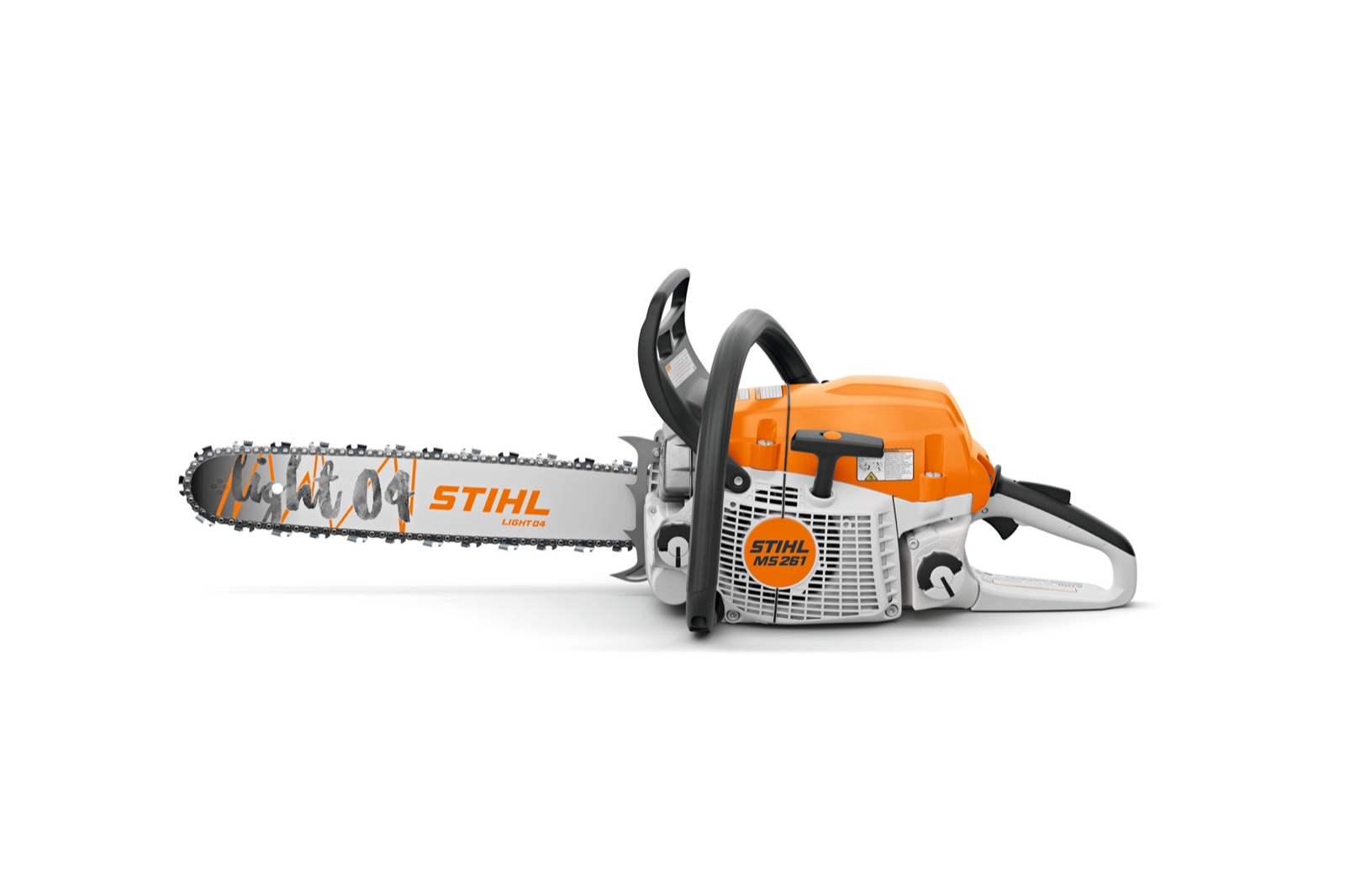
The 545 Mark II is the 50cc pro saw that firewood cutters buy instead of the 550 XP Mark II, and owners who have run both are unusually consistent about what the money buys. It is the same vertically split crankcase with smaller transfers, a crank without stuffers and a detune aimed at torque lower in the rev range rather than peak horsepower; the honest gap in a timed cut is five to ten percent. Against the Stihl competition the owner verdict leans the same way — people who have worn out 550s and 261s say they would buy the 545, mostly because it has been selling for $200 less than a 261. Owners also note the true Stihl counterpart on paper is the MS 241, not the 261, and that if resale matters the 550 and 261 are the saws everyone actually hunts for.
What owners complain about is starting. The common version is a reluctant first pull after a temperature swing. The bad version is chronic flooding: one owner more than a year in floods it on nearly every cold start and has to brace the saw under his knee holding the throttle to get it lit. Fuel delivery deserves a look before you blame technique, because this saw and its Mark I predecessor generate a steady stream of purge-bulb reports — the bulb filling with air and refusing to pump, a saw that dies when tilted nose-down after it warms up, a clogged line behind a no-fuel symptom. AutoTune makes the idle side of that frustrating: there is no idle screw, so a saw that creeps down and stalls is a diagnostic visit rather than a screwdriver turn. Expect the recoil to buck, and know that the clutch cover's spring will fight you the first time you remove it.
Owners put it on properties measured in acres rather than lots: residential tree work, 10 to 15 cords a year off a small ranch, farm clean-up, a full season of ash and maple. It runs a 20-inch bar as its ceiling and most of them keep a 16 or 18 on it for weight. The split in who should buy it comes down to dealer dependence. One owner reasons that his saws pay for themselves long before the AutoTune ever needs attention, so he would simply pick one up at a big-box store rather than hunt a 550; others point out that a box store gives you an exchange counter where a dealer fuels it, test-runs it and will put it on a diagnostic computer. If you cut rarely enough that the saw sits for a year at a time, owners in those threads steer toward a simpler carbureted saw instead.
Drawn from 8 owner threads and long-term reviews, kept on file with this entry.