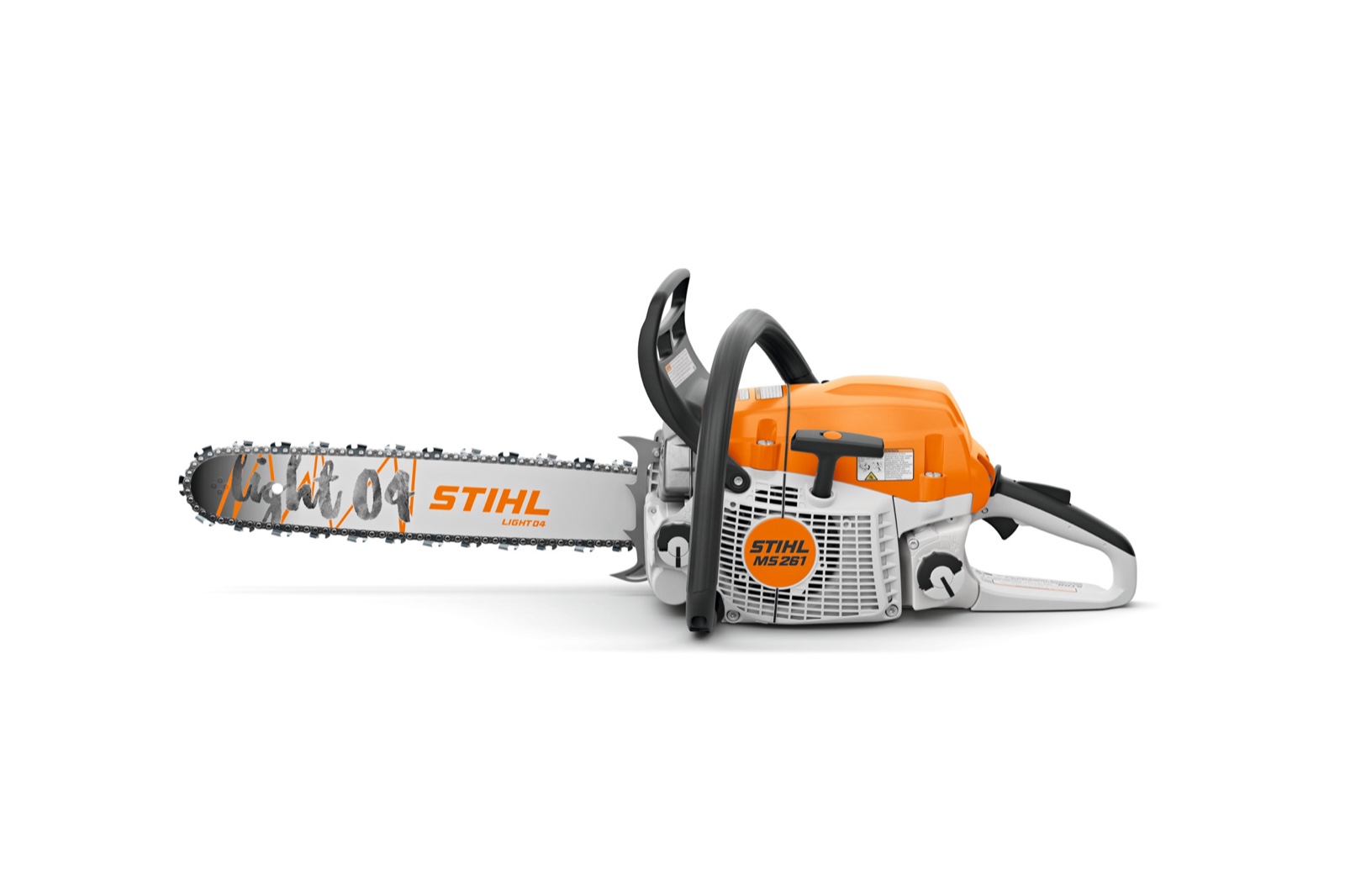
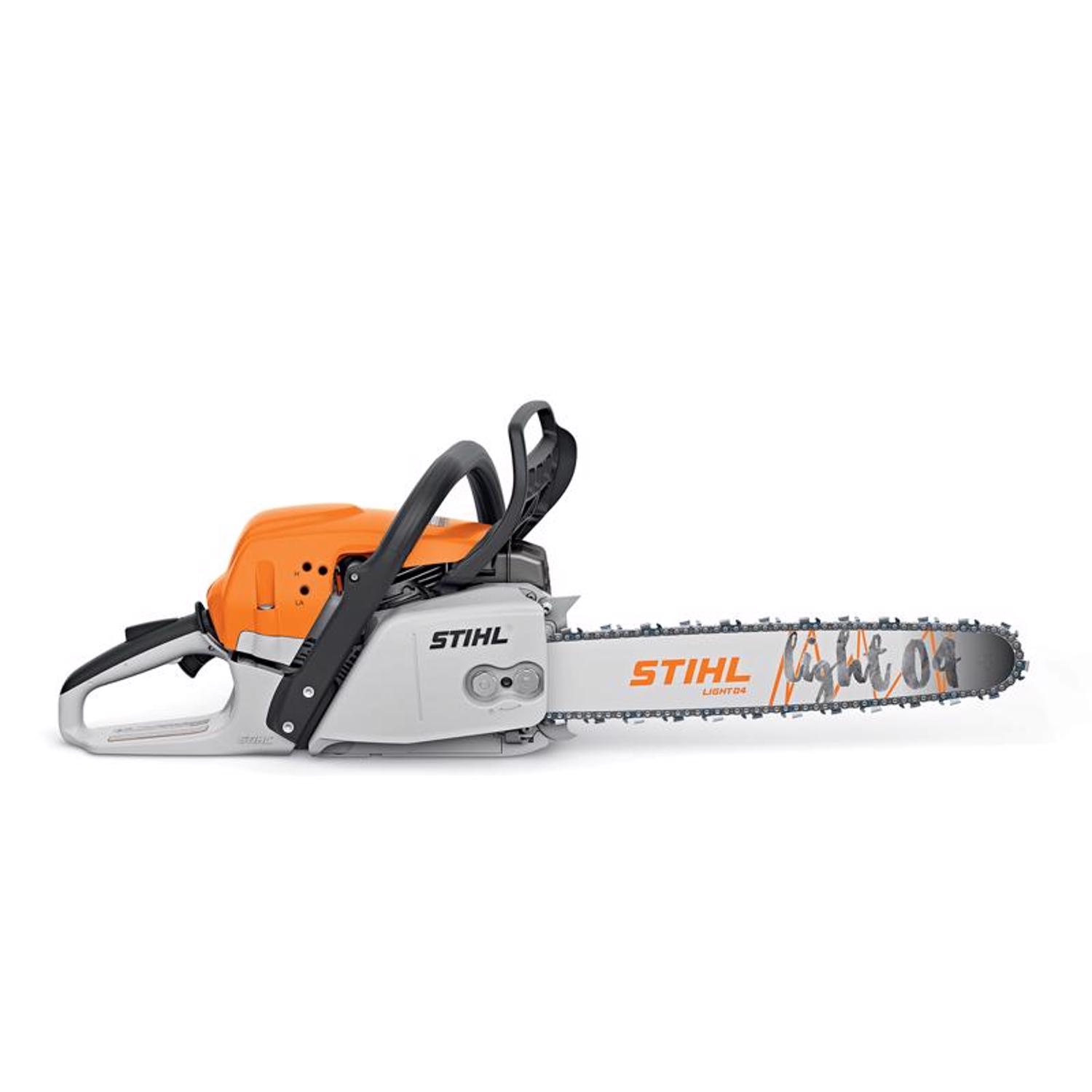
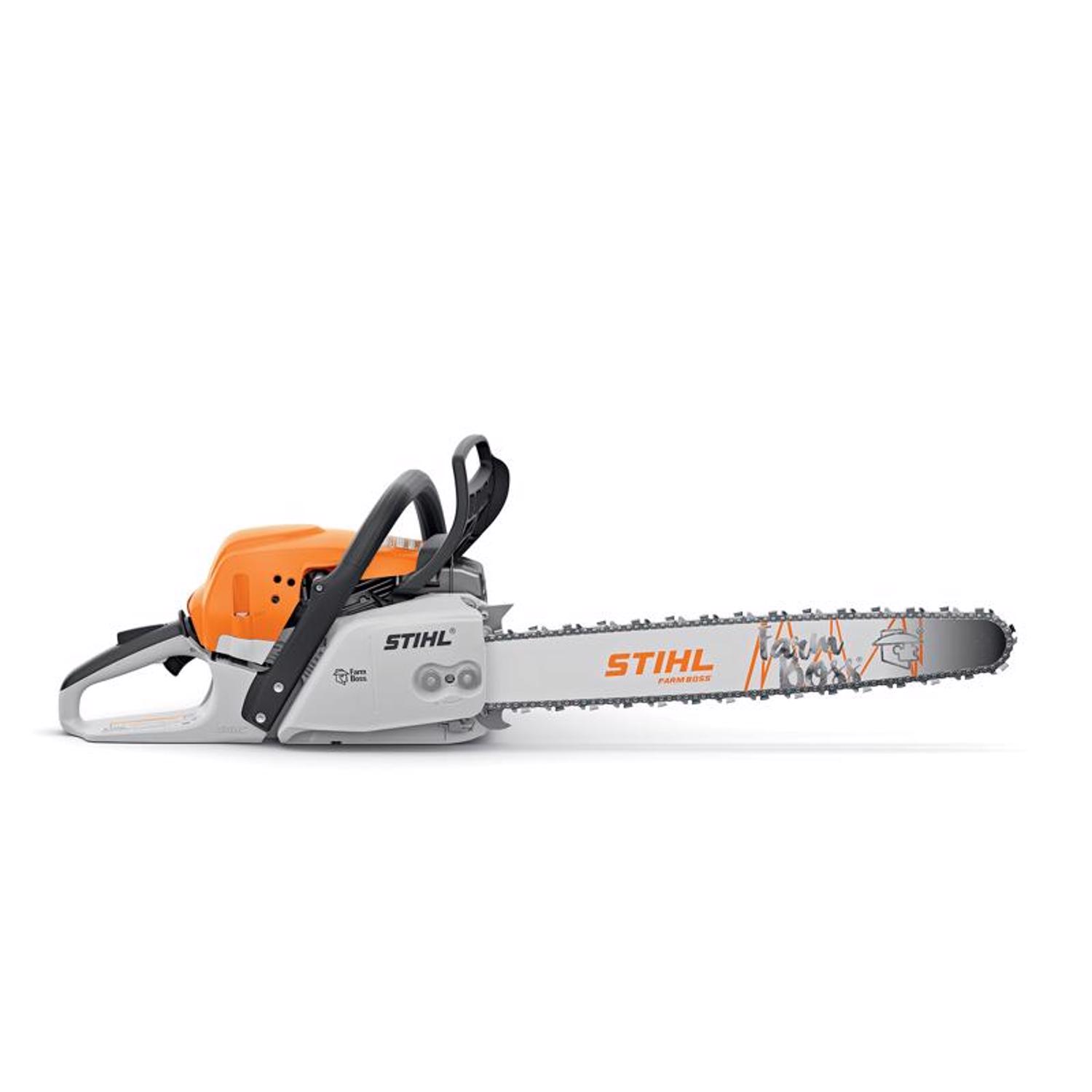
Stihl MS 261 C-M

Stihl / Gas / Professional

Stihl MS 261 C-M

50cc class
50.2cc
3 kW rated
16 in
cuts to about 14 in
10.9 lb
powerhead only, without fuel (13.6 lb with the 16" bar and chain)
~$760
approx., with 16" bar and chain
See it at Stihl

Price and availability on Stihl's site may differ.

3.0 kW from 50.2cc in a 10.9 lb magnesium-crankcase powerhead is the number that makes this the default working 50cc saw in North America — the same displacement as an MS 271 Farm Boss, 0.4 kW more power, 1.4 lb less to carry, and a chassis built to be torn down and rebuilt rather than replaced. Owners who cut all day describe it as the saw they stop thinking about. The argument is always M-Tronic. Thread after thread splits between owners running four M-Tronic saws with no resets on non-ethanol fuel, and owners whose brand-new 261 would not hold an idle and needed a dealer laptop to sort out. The consensus is that version 3 of the system is much better than early ones, but when it does misbehave you cannot adjust your way out of it in the field. Budget for a $760 saw that owes you a decade, and expect top-end repair bills in the $400-$500 range if it does let go.

Best for: Firewood cutters past four cords a year, arborists and crews who want one 50cc saw that can be rebuilt instead of replaced.

Specifications

Engine class
50cc class (by displacement)
Engine
50.2 cc
Bar range
16-20 in
Single-pass cut
about 14 in (bar minus 2)
Chain
.325" pitch / .063" gauge (23 RM3)
Weight
10.9 lb, powerhead only, without fuel (13.6 lb with the 16" bar and chain)
Use case
Professional
Warranty
1-year consumer / 3-month professional (Stihl policy effective Jan 1, 2026)
Model
MS 261 C-M

Manufacturer figures except the engine class and single-pass cut, which are derived here. What each spec means

  • 3.0 kW at 10.9 lb
  • Magnesium crankcase, rebuildable
  • M-Tronic, no carb screws

What owners like

  • 3.0 kW from 50.2cc at 10.9 lb — the best power-to-weight in Stihl's 50cc class and 1.4 lb lighter than the MS 271
  • Magnesium crankcase and pro chassis: designed for rebuilds, with full parts support
  • M-Tronic removes carburetor screws and re-trims itself for altitude, fuel and filter condition
  • Runs 16" through 20" bars on .325"/.063" without the oiler falling behind
  • Owners who run several M-Tronic Stihls report no resets at all on non-ethanol fuel

Common complaints

  • M-Tronic faults are a dealer-laptop job — owners report brand-new saws that would not idle
  • $760 is roughly $230 over an MS 271 Farm Boss of the same displacement
  • Reported engine failures inside four years with roughly $400 parts plus $100 labour to put right
  • 2026 warranty is 1 year consumer and only 3 months if you earn money with it — short for the price
  • Dealer-only sales, so there is no discounting it

What owners say

Read from owner discussions, long-term write-ups and dated retail reviews; nothing here was measured on this site.

This is the saw owners stop arguing about. Across threads from firewood cutters, arborists and line crews the verdict is consistent: 50.2cc and about 10.9 lb of powerhead that cuts like something bigger, and a pro chassis that takes abuse without complaint. The concrete reports carry it — four years of near-daily tree-service work in eastern hardwoods with no faults, a line cutter whose only damage in a year was a snapped plastic handlebar after the saw was run over, an owner who rebuilds them from a tree company's discard pile and finds them reliable. Owners who also keep an MS 192, MS 291 or MS 461 say the 261 is the one they pick up.

Two practical things to settle before buying. The first is the electronic carburetor: it is genuinely useful when conditions change — one owner re-trims his on a cold hillside in under two minutes rather than walking back to the truck — and the owners who are not confident tuning a carburetor are its happiest customers. But a vocal group deliberately buys the plain-carb MS 261 instead, because a carburetor screw can be turned in the woods and a microprocessor cannot, and that version is getting harder to find new. The second is altitude: a crew working between roughly 6,000 and 10,000 feet reports hard starting, bogging and stalling when the saw is tipped, all of it fixable by the tuning procedure but none of it automatic. The other failure worth knowing is self-inflicted — scored pistons at low hours traced to dull chains at full throttle, cooling fins packed with debris, a leaking clutch-side seal or milling heat, which is why owners who work it hard tune it slightly rich.

On bar and chain, owners are unusually unanimous: 16 to 20 inches, 3/8 on an 18 or .325 on a 20, and nothing longer. Several prefer the .325 setup as the smoother cutter, and with a thin-kerf bar and a sharp chain they report it buried full depth in red maple and beech. Cross-shopping splits two ways. The Echo CS-590 is the value counter-argument and owners who run both say it genuinely holds its own for firewood volume, with a metal crankcase, a decompression valve and a five-year consumer warranty for less money. The Husqvarna 550 XP is the like-for-like rival, and owners who prefer its tighter handling concede the 261 is now the lighter saw since the Mark II gained weight. Against Stihl's own farm-and-ranch saws there is barely a debate — buyers choosing between this and the MS 391 at similar money are told to take the pro saw, because it is lighter, faster and designed to be rebuilt.

What owners like

  • It survives the kind of use that kills other saws, and the reports are specific. One owner put a 2020 C-M with an 18-inch bar and .325 chain into service with his tree company and reports four years of almost daily cutting in eastern hardwoods without it missing a beat. A utility line cutter a year in says every problem he has had was external — wire wrapped in the sprocket, the saw run over, the plastic handlebar snapped — and the powerhead itself came through with scratches on the clutch cover. Another owner rebuilds them out of a tree service's scrap pile, where they are treated as consumables and usually arrive dropped, crushed or with stripped spark-plug threads, and says the three he has assembled from the pile have been reliable.
  • Owners who have a shed full of saws keep reaching for this one, and the phrasing repeats: it has no business being as good as it is; it feels more powerful than it deserves; it is a small saw that handles like a big saw. A sawyer who owns an MS 192, MS 291, MS 261 and MS 461 says he grabs the 261 every time. A dealer answering a buyer choosing between this and the MS 391 put the case in two numbers — 50.2cc at about 10.9 lb against 64.1cc at about 13.8 lb — and still pointed him at the smaller saw for medium beech and oak because it is less tiring over a day.
  • It is genuinely flexible on bar and pitch, which is unusual at 50cc. Owners run 3/8 on an 18-inch bar with no complaint, and several prefer .325 on a 20-inch bar and describe it as the smoother-cutting combination. Keep the chain sharp and use a 0.050 thin-kerf bar and chain and owners report it buried full depth in red maple and beech. The consensus limit is blunt and consistent: it is excellent up to 20 inches and you should not go past that.
  • The electronic carburetor pays for itself in changing conditions rather than at the counter. One owner cutting on hillsides describes the saw going slow on the first properly cold day and getting it roaring again in under two minutes on the spot, instead of walking back down to the truck and up again. Another who runs a fleet of auto-tune saws on right-of-way clearing says a reset is all a weather change takes. Owners who admit they are not good at tuning carburetors are the most consistently happy with it.
  • There are two things worth asking for at the counter. Buying a six-pack of Stihl HP oil or a gallon of MotoMix at the same time doubles the consumer warranty from one year to two in the US — UK owners report two years as standard and three with the MotoMix purchase. And the saw often ships with the green low-kickback chain; owners who care ask the dealer to swap it for the yellow Rollomatic RS chain before they leave, and dealers do it.

Common complaints

  • The electronic carburetor splits owners, and the people who dislike it are not casual. Several deliberately ordered the plain-carb MS 261 instead, with the same reasoning each time: adjusting a carburetor is easy, and working out why the electronics will not play when you are out in the woods is not. The complaint is not that it fails often — it is that when it does misbehave there is nothing to turn.
  • Altitude is the one condition where owners report it struggling badly. A crew running auto-tune saws between roughly 6,000 and 10,000 feet reports hard starting, bogging and the saw dying when tipped sideways. The tuning procedure fixes it, and the same crew runs them from sea level to 3,000 feet with no trouble, but they still tune about once a year in heavy use — so the saw is not quite the set-and-forget tool the marketing implies.
  • It will cook its own top end if you run it wrong, and at surprisingly low hours. One owner tore down a C-M with the piston and cylinder scored badly on the exhaust side despite only ever running canned premix. The causes others name in that thread: a dull chain at full throttle being pushed into the cut, cooling airflow lost because the flywheel, housing or cylinder fins packed up with debris, a failed clutch-side crank seal letting the engine suck air, and milling heat with nowhere to go on an inboard-clutch saw. The standing advice is to tune it slightly rich if you plan to run it hard for long stretches.
  • The money argument against it is real and owners make it unprompted. The Echo CS-590 comes up again and again as the better value in that price band — a magnesium crankcase, a decompression valve and a five-year consumer warranty for less money — and owners who own both brands say the Echo holds its own for firewood work. From the other side, long-time Husqvarna 346 and 550 XP owners call the Stihl heavy and floaty by comparison, and note the 261 only pulled level on weight when the 550 XP Mark II put weight on.
  • It ties you to a dealer. Owners say the one genuine knock on Stihl is that OEM parts are a hassle if you do not live near a good dealer, and more than one buyer picked Stihl over Husqvarna purely because the nearer shop was better. The plain-carb MS 261 is also getting hard to find new, so if you want the manual carburetor you may be hunting.

Questions owners ask

M-Tronic or the plain-carb MS 261 — which do owners actually recommend?

It comes down to whether you are confident with a carburetor. Owners who are not say they would not trade the electronic version for anything, because it handles weather and bar changes for them. Owners who are confident buy the plain carb specifically so that a problem in the woods is a screwdriver job rather than a dealer job — more than one says he ordered the version without the microprocessor for exactly that reason. Nobody in these threads reports the current electronics failing often; the objection is that you cannot adjust your way out of it in the field. Note that the plain-carb 261 is getting hard to find new.

What bar and chain combination does it run best?

Owners run it from 16 to 20 inches and the strong preference is an 18, with 20 as the ceiling. It pulls 3/8 pitch on an 18-inch bar without complaint, and several owners prefer .325 on a 20-inch bar and say it cuts noticeably smoother. The repeated detail that matters is the chain itself: a thin-kerf 0.050 bar with a sharp full-chisel chain is what lets it bury the whole bar in red maple and beech. If you need more than 20 inches of bar, owners point you at a 70cc saw rather than a longer bar on this one.

Is the Echo CS-590 the smarter buy at this money?

A lot of owners think so, and they are not Echo partisans — several own all three brands. The case they make is a metal crankcase, a decompression valve and a five-year non-commercial warranty for meaningfully less money, with one owner who has three of them calling them reliable and all-around solid. One owner who runs a 501P, a 550 XP and three versions of the 261 says the Echo holds its own with them and that you would not notice the difference cutting firewood. Where the 261 wins is weight and chain speed: it is around three pounds lighter in the hand than the 60cc farm saws, and it is designed to be torn down and rebuilt rather than replaced.

Can I run pump gas with ethanol, and what mix oil do owners use?

Owners are relaxed about running ethanol fuel and strict about storing it. The repeated explanation is that ethanol causes varnish in the carburetor, brittle diaphragms and cracked hoses when fuel is left to sit and evaporate, not while it is being burned — one owner reports a 40-year-old Stihl on nothing but pump gas with a spotless bore. Buy the highest octane you can get without ethanol, and if the saw will sit for months, drain it; several owners fill the tank with straight 2-stroke oil, pull it through until it spits from the exhaust, and drain it before the next use. On mix, plenty run 40:1 rather than the specified 50:1 on the grounds that a properly tuned saw burns the extra oil, and a recurring complaint is that Stihl's own oil does not meet the JASO FD standard, with VP and Echo oils named as better and cheaper.

Has the MS 261 C-M been replaced by the MS 300 C-M?

Buyers keep asking, and the answer in these threads is that both are being sold and which you see depends on where you are. The case owners make for the newer saw is a larger air filter, less weight and more power; the case for the 261 is that it is the known quantity with decades of parts support behind the 026/260/261 line. Nobody in these threads reports regretting a new 261 purchase on those grounds.

How do owners actually destroy a 261's top end, and can you fix it yourself?

The scored-piston reports in these threads trace back to a handful of causes: a dull chain at wide-open throttle being forced into the cut, cooling airflow lost because debris has packed the flywheel, housing or cylinder fins, a failed clutch-side crank seal letting the engine suck air, and heat with nowhere to go when the saw is used for milling. Owners who work theirs hard for long stretches tune slightly rich as insurance. The repair is within reach of a competent owner: a T27 driver, a pick hook and an inexpensive ring compressor cover the teardown, and the one tool worth buying is a pressure and vacuum tester with block-off plates so you find the air leak that caused the failure instead of building a new top end onto the same problem.

Drawn from 8 owner threads and long-term reviews, kept on file with this entry.
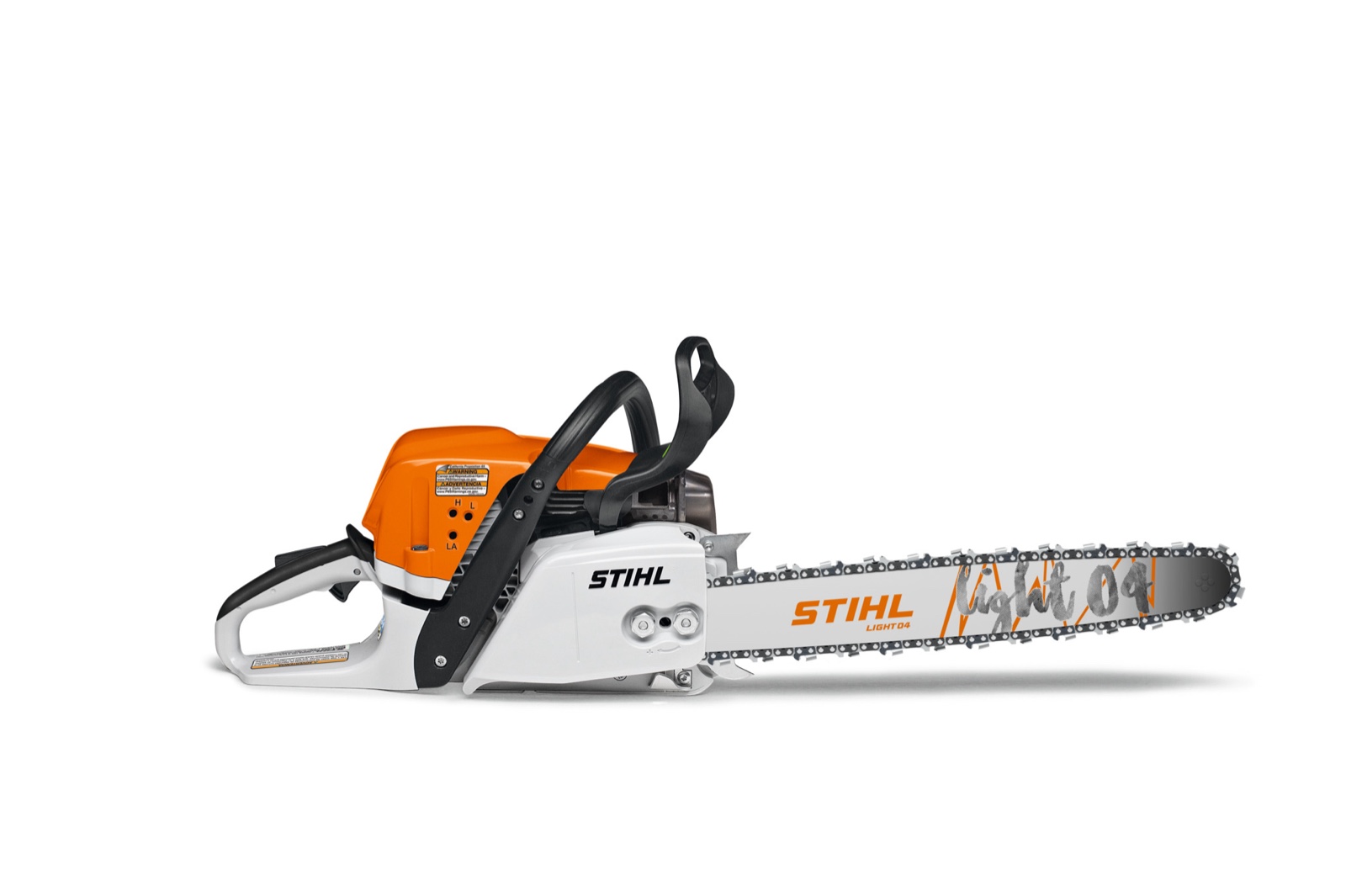
Compare the Stihl MS 261 C-M

Nearest alternatives

More from Stihl
Stihl MS 311

Stihl / Gas

~$760

Stihl MS 311

50cc class
59cc
engine
18 in
bar
13.8 lb
bare

Farm and acreage owners who find an MS 311 discounted below the MS 391 and will keep a 16- or 18-inch bar on it.

Farm & Ranch
Stihl MS 291

Stihl / Gas

~$620

Stihl MS 291

50cc class
55.5cc
engine
20 in
bar
12.3 lb
bare

Firewood cutters and landowners who want the most power available in Stihl's farm-and-ranch line while staying under pro-saw pricing.

Farm & Ranch4/5 Ace Hardware
Stihl MS 271 Farm Boss

Stihl / Gas

~$540

Stihl MS 271 Farm Boss

50cc class
50.2cc
engine
20 in
bar
12.3 lb
bare

Rural landowners and firewood cutters who want a dependable 50cc/20-inch workhorse without paying pro-saw money.

Farm & Ranch4.5/5 Ace Hardware

Sources for this entry