Stihl / Gas
~$760
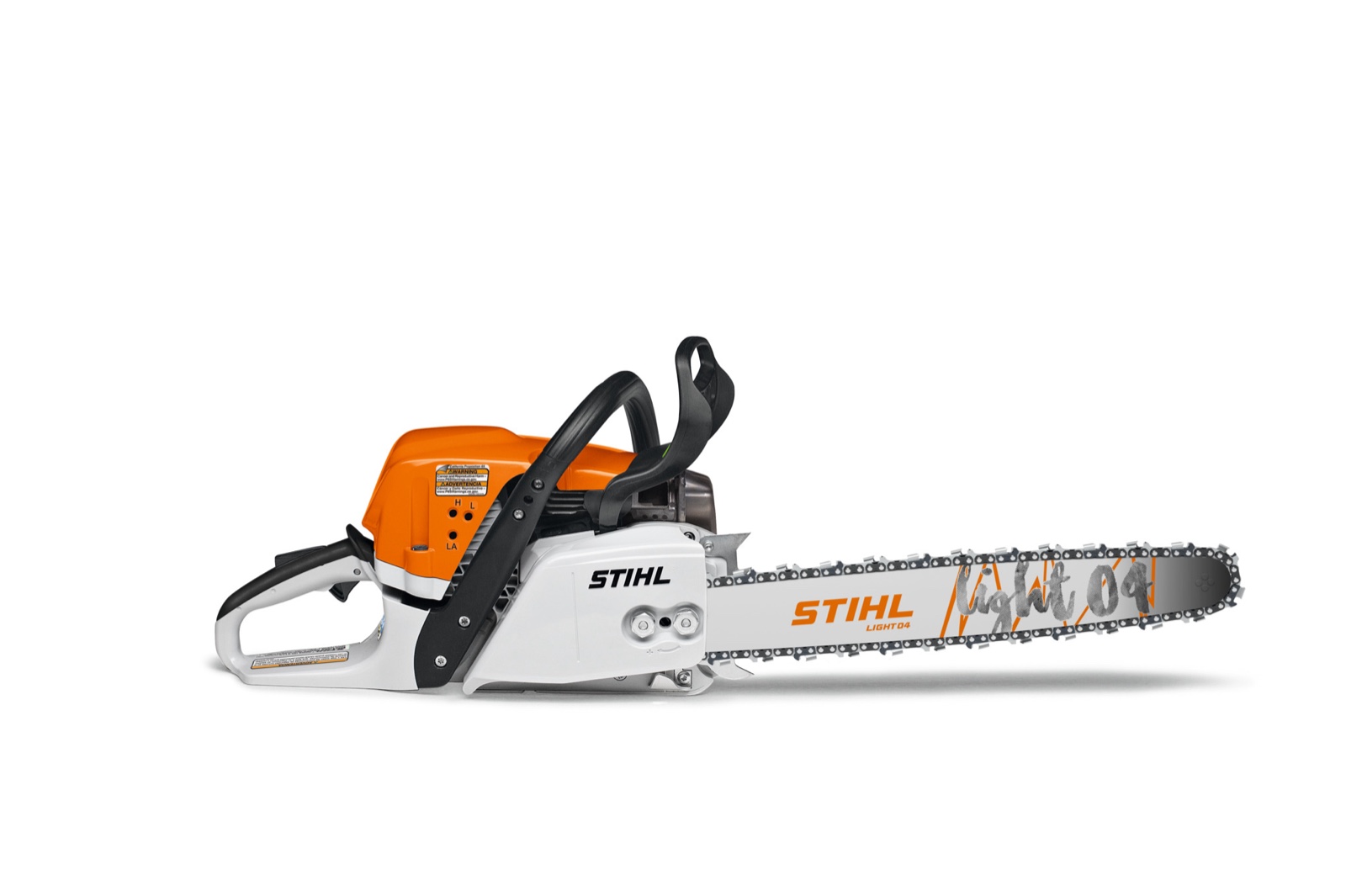
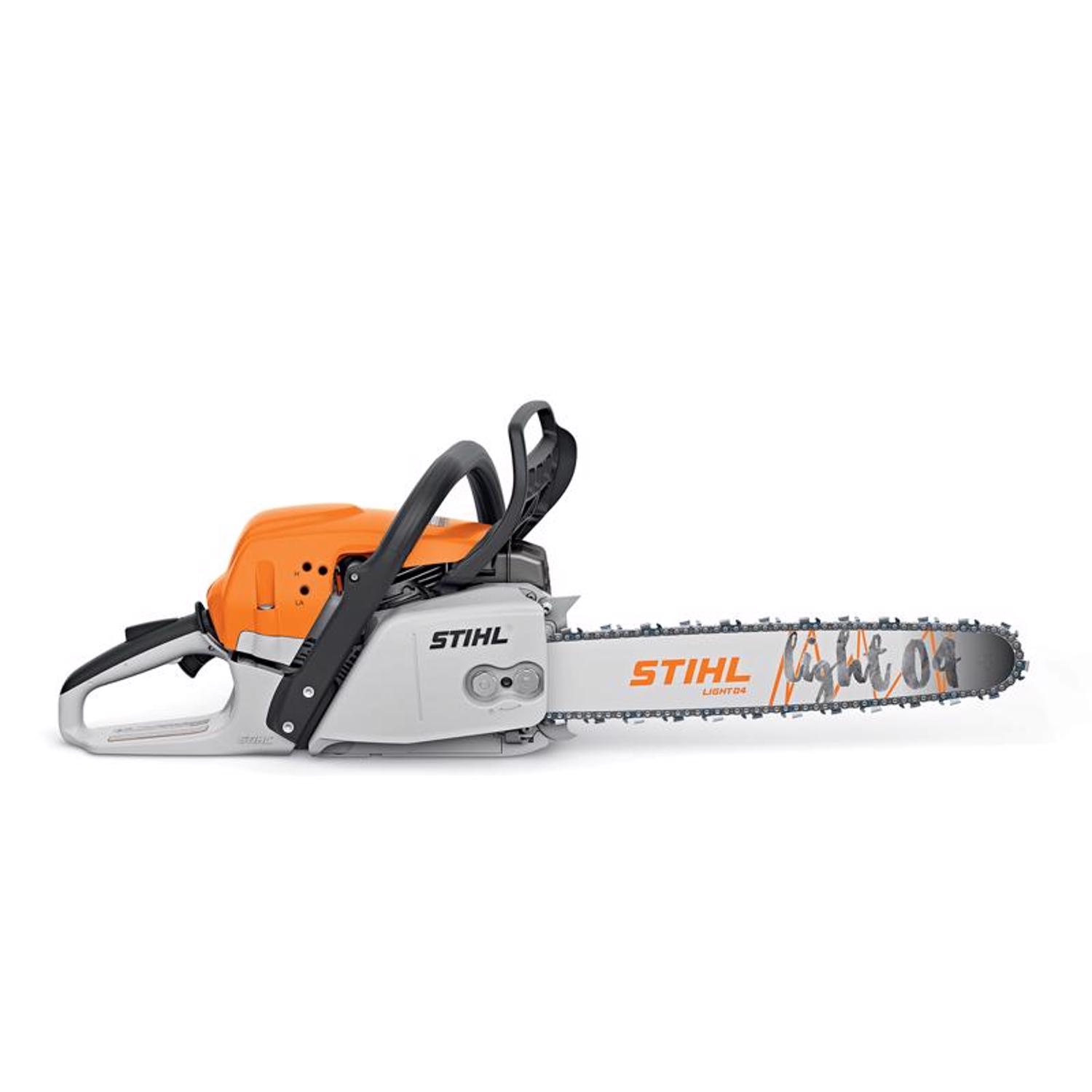
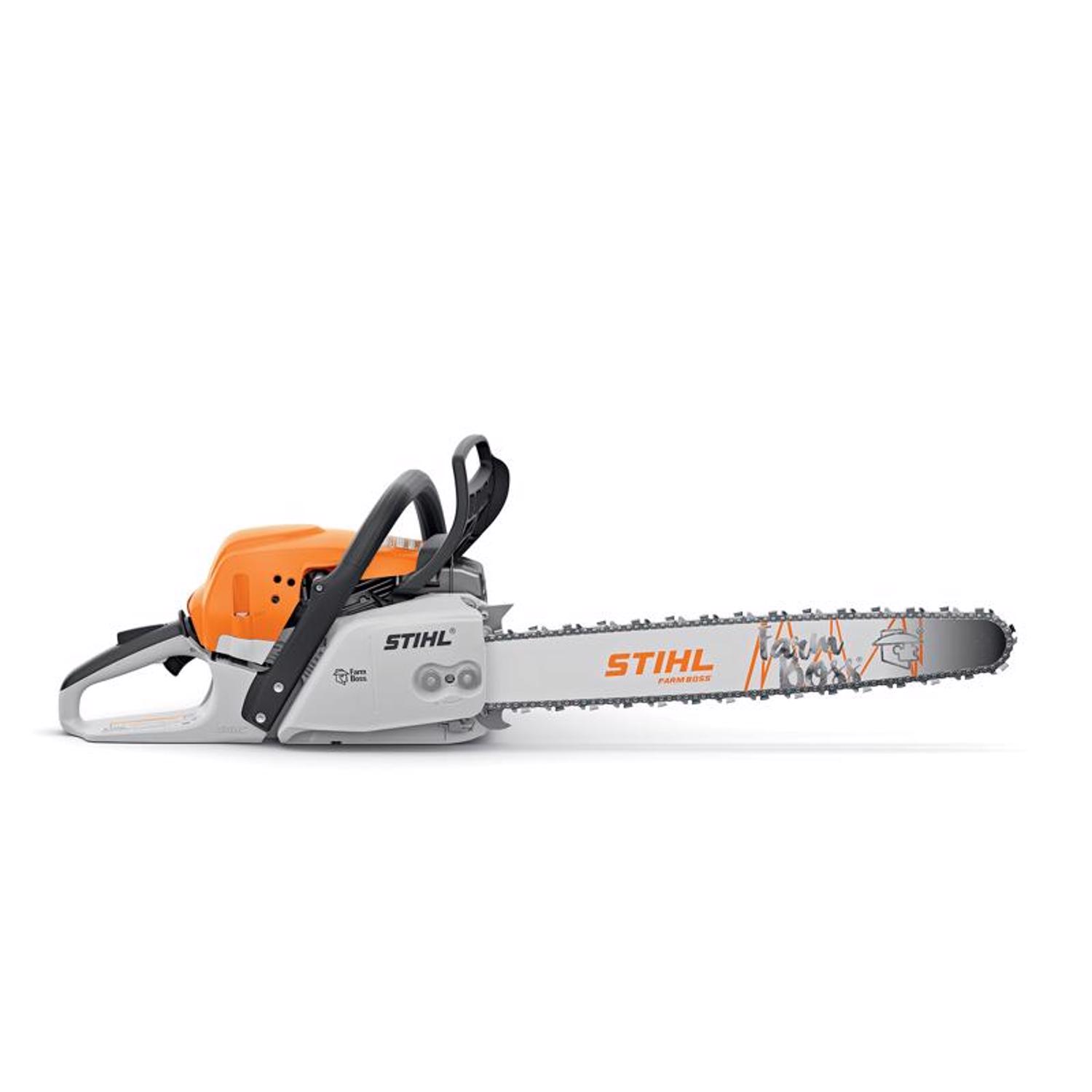
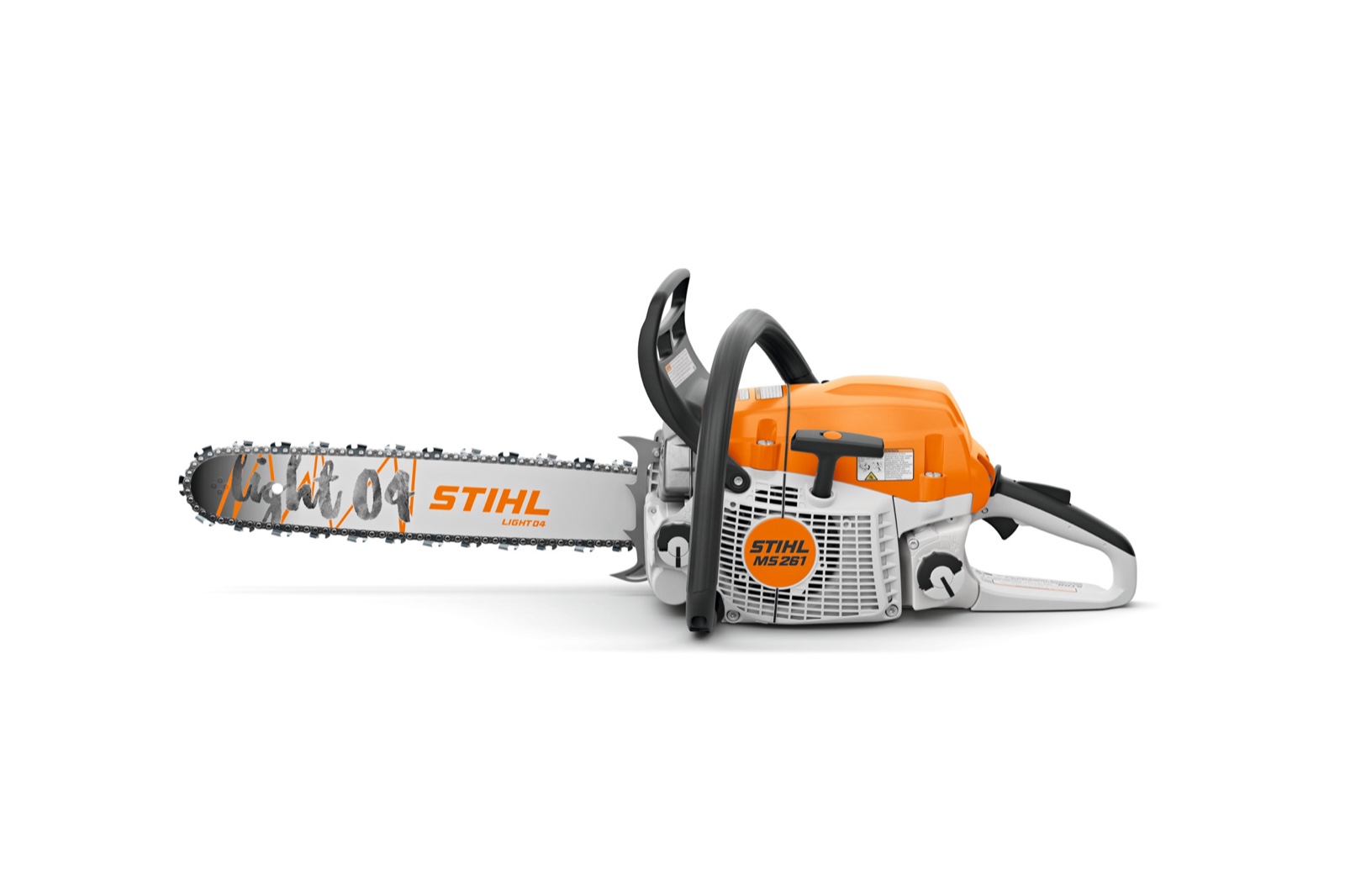
Stihl MS 261 C-M
50cc class
- 50.2cc
- engine
- 16 in
- bar
- 10.9 lb
- bare
Firewood cutters past four cords a year, arborists and crews who want one 50cc saw that can be rebuilt instead of replaced.
Professional

Here is the problem with the MS 311, and owners state it bluntly: it weighs exactly what the MS 391 weighs — 13.8 lb of powerhead — while making 0.2 kW less from 5cc less engine, for the same $760. Unless a dealer has one discounted, the 391 is the same saw with a bigger cylinder. On its own terms the 311 is a competent 59cc farm saw with 3/8" .050" gearing, bumper spikes, pre-separation air filtration and a side-access tensioner, and owners running 16-inch bars and hand-filed full-chisel chain report cutting serious volumes of firewood with it. Push it to a 20-inch bar in hardwood and it bogs. Power-to-weight is the recurring criticism in long-term threads, along with how much of the saw is polymer for the money.
Best for: Farm and acreage owners who find an MS 311 discounted below the MS 391 and will keep a 16- or 18-inch bar on it.
Manufacturer figures except the engine class and single-pass cut, which are derived here. What each spec means
Read from owner discussions, long-term write-ups and dated retail reviews; nothing here was measured on this site.
The 311 is a 59cc farm saw that owners treat as competent rather than good. It runs a 3/8 .050 chain, takes bars from 16 up to 25 inches, and in the hands of someone cutting storm damage and a few cords a year it does the job and keeps doing it — the most-upvoted comment about it is simply that it will last a lifetime of seasonal cutting if you take care of it. Owners who criticise it hardest still concede that point. It is also easy to work on: open the muffler, tune the carburetor, keep it clean.
The complaint everyone arrives at is power-to-weight. Owners of the saw itself call it among the worst in the Stihl range — one replaced his with a 500i after it struggled on a 25-inch bar in old-growth oak and says he would buy a 261 instead given the chance; a sawyer who learned on one says a 261 pulls a 20-inch bar about as well while being significantly lighter. A landowner clearing twelve acres of nine-inch scrub says he loves his and it still wears him out. Two mechanical complaints recur alongside that: flooding and hard cold starts (one owner on his second 311 regrets trading an MS 290 for it), and the sealed clamshell. A rebuilder documented the transfer side covers held by sealant with no bolts and lost a saw mid-cut after three years of seasonal use with a clean bore; others, including a Stihl mechanic of eleven years, say the design has been used for decades and is fine when assembled properly, and that a failed cover can be repaired with a die grinder, liquid metal and 24 hours in a vise.
Where it makes sense is narrow. Keep a 20-inch bar on it, and if you cut clean wood, convert it to .325 pitch with an Oregon drum and an eight-pin rim — the owners who have done it report it pulling noticeably easier and cutting smoother, though in dirty wood 3/8 is the better choice. A muffler mod and tune is the other upgrade owners rate, with the warning that it leaves the saw lean and much louder. The hard part is the price. Owners note the 311 is effectively the MS 391 with a 2mm smaller piston at the same weight, so at full list you are paying for less power in the same chassis; the saw only clearly makes sense discounted. Against the rest of the market the recurring answers are an Echo CS-590 or 620 for less money with a five-year non-commercial warranty, a Husqvarna 460 Rancher as the direct equivalent, and a 261 or 362 if you would rather have a lighter saw that can be rebuilt.
Owners work through this in a fixed order. First, mismatched gearing: running .325 chain on 3/8 hardware, or 3/8 low-profile where regular 3/8 belongs, means the chain will never tension correctly or run smoothly, and shop techs say they see saws delivered to the bench exactly like that. Second, technique: lift the bar tip while you tighten, set tension with the adjuster, then tighten the bar nuts fully — the tensioner only holds the chain while the nuts go down. Third, a chain that has been over-tensioned repeatedly stretches and develops tight and loose spots, so it reads as both problems at once; tension it at the tight spot and replace it when it reaches the wear marks. If none of that holds, owners point at a worn or shot tensioner with play in it, or a damaged bar.
Opinions genuinely split here. The case against comes from a rebuilder who photographed the transfer side covers held on by sealant with no bolts and whose saw died mid-cut after three years of seasonal use with a bore that still looked perfect, and from another owner who assembled one from a box of parts and considers it prone to air leaks. The case for comes from owners who have rebuilt 30-year-old saws built the same way and say the RTV-sealed clamshell lasts a lifetime if it was assembled correctly at the factory. The practical middle ground is the repair a Stihl mechanic of eleven years gives: clean the cylinder thoroughly, dress the cylinder and cover edges with a die grinder, apply liquid metal and leave it clamped in a vise for 24 hours. If the saw starts running lean or revving on its own, pressure and vacuum test it before you touch the carburetor.
Twenty inches is where owners say it works, and 25 inches is the longest bar Stihl offers for it. One owner ran a 25-inch bar through a large oak and reports it used the whole bar and did the job, provided you do not force the cut; another who went to 25 inches in old-growth oak found it struggling badly enough that he replaced the saw. If you want 25 inches to work, owners say use a full skip chain to keep chain speed up. For hardwood day to day, keep it at 16 to 20 inches.
Owners rate both, with conditions. The .325 conversion — an Oregon clutch drum, a .325 eight-pin rim and a 20-inch bar — is described as pulling noticeably easier and cutting faster and much smoother, but only in clean wood with a sharp chain; in dirty wood owners say stay in 3/8. The muffler mod gains are real but, in the words of one owner who did it, not earth-shattering. It is also not a bolt-on: you have to remove the carburetor limiters and shave the limit tabs, and the saw will run lean afterwards and needs richening or you risk the piston and cylinder. It gets considerably louder too. One owner who combined a DIY port job with an aftermarket power port on the stock muffler reports the biggest change of anyone.
At similar money owners almost always point away from the 311. The 391 is the same chassis with a bigger piston at effectively the same weight, so if the two are close in price the 391 is the better value — and owners note a 391 cylinder bolts straight onto a 311. If you want a lighter saw you will enjoy using, the MS 261 is the recommendation that comes up most, and owners say it pulls a 20-inch bar about as well while being several pounds lighter. If you are cutting often, the answer is a 362 or 400, which can be split and rebuilt as parts wear. For pure value, the Echo CS-590 or 620 comes up repeatedly at lower cost with a five-year non-commercial warranty, and the Husqvarna 460 Rancher is the direct equivalent.
Drawn from 8 owner threads and long-term reviews, kept on file with this entry.
Stihl / Gas
~$760
Firewood cutters past four cords a year, arborists and crews who want one 50cc saw that can be rebuilt instead of replaced.
Stihl / Gas
~$620
Firewood cutters and landowners who want the most power available in Stihl's farm-and-ranch line while staying under pro-saw pricing.
Stihl / Gas
~$540
Rural landowners and firewood cutters who want a dependable 50cc/20-inch workhorse without paying pro-saw money.