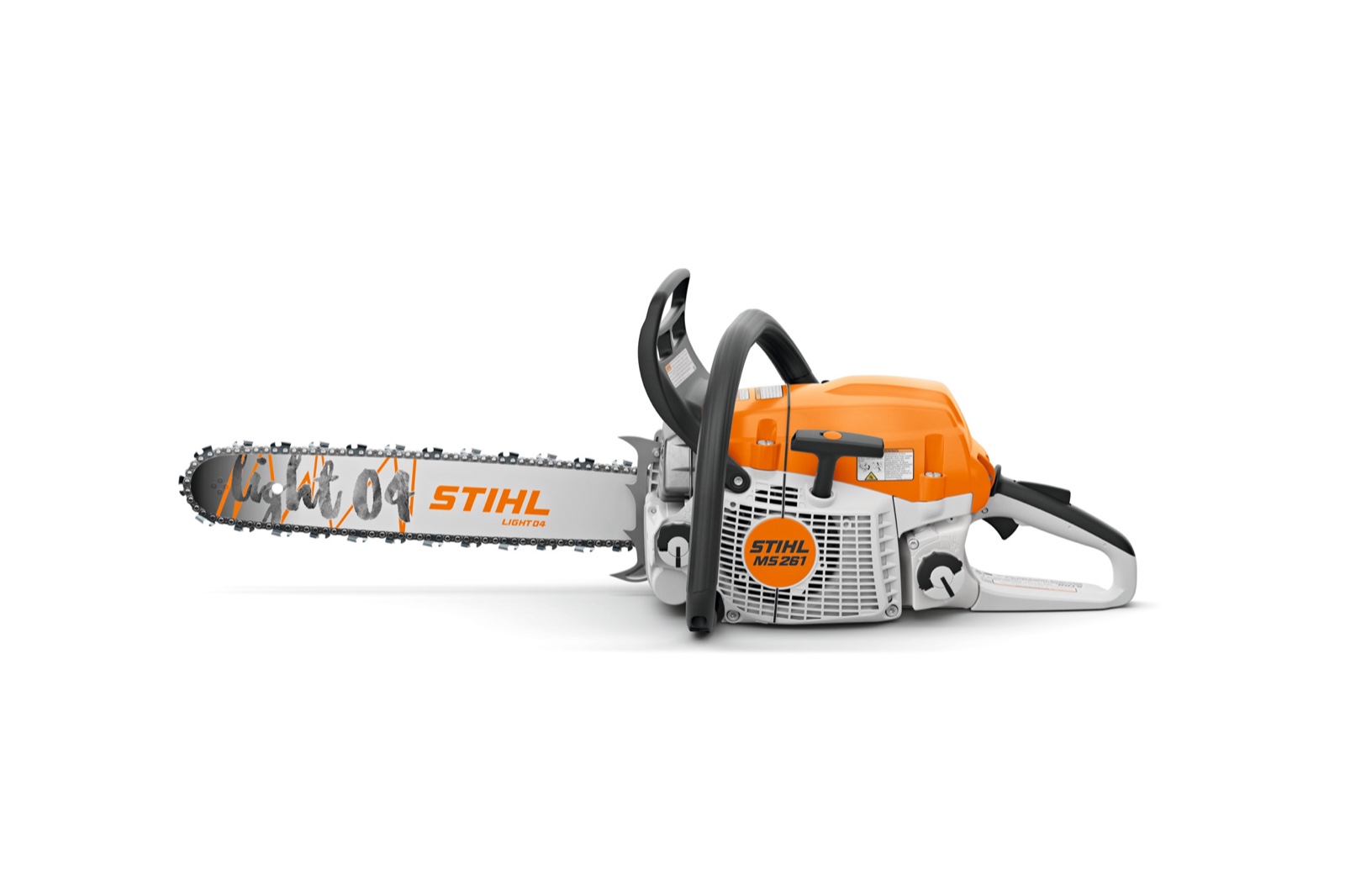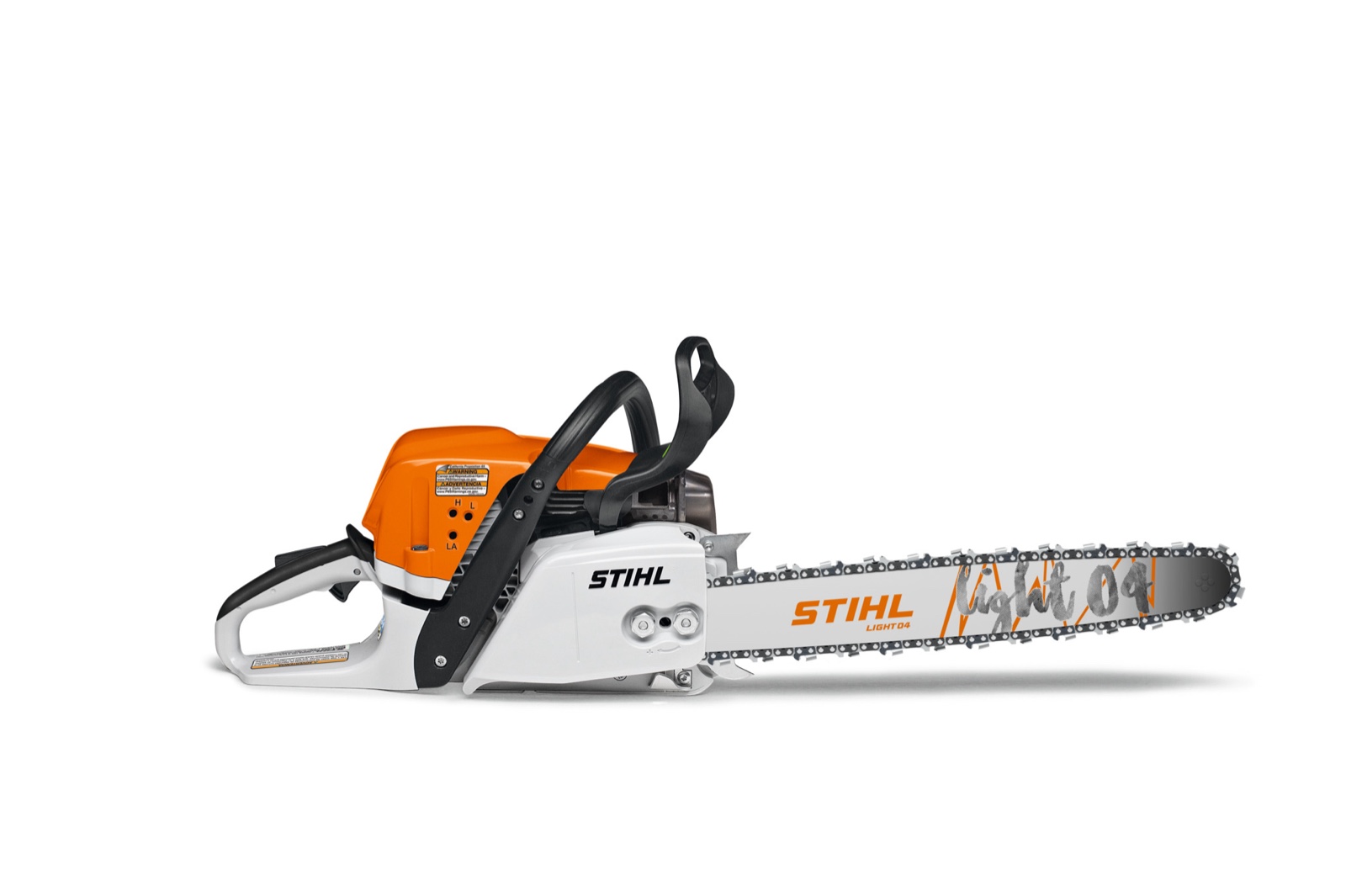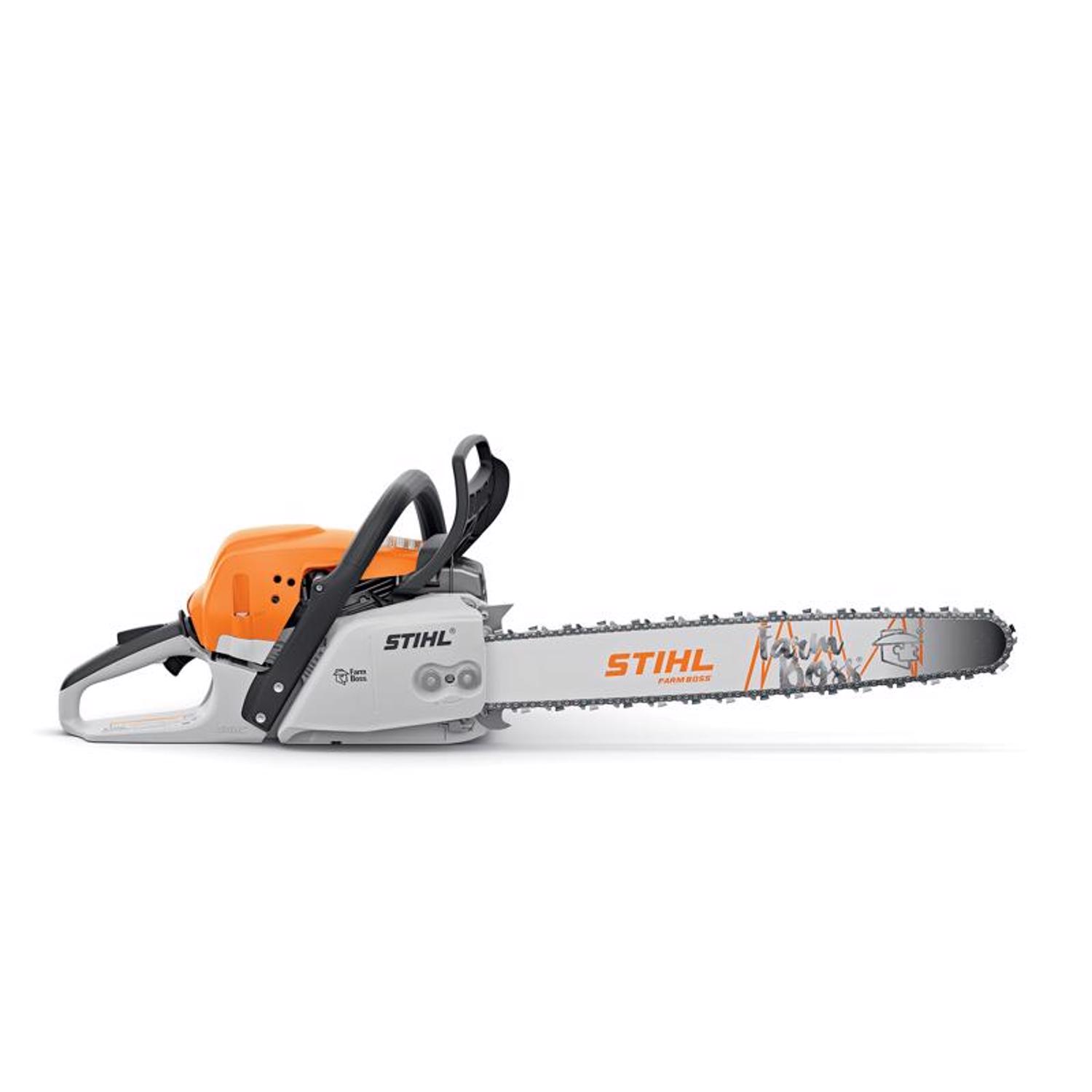
Stihl MS 291

Stihl / Gas / Farm & Ranch

Stihl MS 291

50cc class
55.5cc
2.8 kW rated
20 in
cuts to about 18 in
12.3 lb
powerhead only
~$620
approx., with 20" bar and chain
See it at Stihl

Price and availability on Stihl's site may differ.

4/5 across 33 reviews on Ace Hardware. Nobody reviews saws here; that number is theirs.

The MS 291 is the Farm Boss's bigger brother — same 12.3-pound clamshell chassis, but bored out to 55.5cc and 2.8 kW, which buys you a quarter horsepower and noticeably better pull on a 20-inch bar in hardwood. Sawyers who like this class generally steer buyers here over the 271: it's essentially the same saw with more engine, and the fuel-sipping design and five-times-longer air filter life carry over. The criticisms carry over too. Pros still call it a heavy homeowner clamshell, OEM parts (especially the top end) are expensive, and there's essentially no aftermarket support — one owner grumbled his 291 spends too much time on the bench. The real debate is value: at $619.99 you're only $80 from where used MS 362s and other pro saws start appearing, which is exactly the 'new 291 vs used 362' thread that keeps recurring on the forums. If you're set on new with a warranty, though, it's the strongest saw in Stihl's farm line.

Best for: Firewood cutters and landowners who want the most power available in Stihl's farm-and-ranch line while staying under pro-saw pricing.

Specifications

Engine class
50cc class (by displacement)
Engine
55.5 cc
Bar range
16-20 in
Single-pass cut
about 18 in (bar minus 2)
Chain
3/8" pitch / .050" gauge (33 RM3)
Weight
12.3 lb, powerhead only
Use case
Farm & Ranch
Warranty
1-year consumer / 3-month professional (Stihl policy from Jan 1, 2026)
Model
MS 291

Manufacturer figures except the engine class and single-pass cut, which are derived here. What each spec means

  • 55.5cc — the big farm-tier engine
  • Same weight as MS 271, more power
  • Air filter lasts up to 5x longer

What owners like

  • 5cc and ~0.25 hp over the MS 271 at the identical 12.3 lb powerhead weight
  • Pulls a 20" bar through hardwood noticeably better than the Farm Boss
  • Pre-separation air filtration makes filters last up to five times longer in dusty cutting
  • Fuel-efficient low-emission engine with long run times per tank
  • Full 3/8" pitch chain shares consumables with Stihl's pro saws
  • Still hundreds cheaper than the MS 362 C-M for occasional heavy cutting

Common complaints

  • Same clamshell, non-rebuildable construction pros dismiss — just with a bigger bore
  • Essentially no aftermarket parts support, and OEM top-end parts are expensive
  • Mediocre power-to-weight: a 10.8 lb MS 261 makes more power a pound and a half lighter
  • At $619.99 it sits uncomfortably close to used pro-saw money — the perennial forum objection
  • Smaller verified review base (4.0 stars, 33 Ace reviews) than its stablemates

What owners say

Read from owner discussions, long-term write-ups and dated retail reviews; nothing here was measured on this site.

The MS 291 is what owners recommend when someone asks whether the cheaper homeowner saw is enough — and the answer, over and over, is to buy this instead. The jump is big enough that owners who added a 291 to a 250 stopped using the smaller saw entirely. On a 20-inch bar it has felled a 115-foot poplar, cut hundreds of rounds of storm wood weekend after weekend, and in one case run eleven years at about twelve cords a season before wearing out. Owners describe it as the saw you abuse and it keeps starting.

The things to know are mostly about bar length and the oiler. Dealers like to sell it with a 20-inch bar because that's the maximum, but Stihl's own recommendation is 18, and owners who have both say the shorter bar transforms the balance. Push to a 24 and the consensus hardens into a flat no: the saw will turn it, but power suffers, the engine works harder, and the oiler can't keep a bar that long wet — this family is known for under-oiling. The oiler has no adjustment, which is the single gripe an otherwise happy owner volunteers about his. New saws want constant chain tensioning for the first few tanks, and a saw that keeps throwing chains after that usually has a broken tensioner rather than a bent bar. Cold starting is a two-handed job with no decompression valve, and a saw stored for a season may not let you pull the rope at all until you take the plug out. The failures that actually kill them are the familiar ones: straight gas through a ten-year-old example ruined the piston, and owners have seen stripped plug threads and blown cylinders.

Owners point buyers here when they want the most saw in Stihl's farm line with a warranty and no unknown history, cut a few cords a year, and don't want to shop the used pro market. Set against a 261 the arithmetic owners actually do is this: the 261 is about a pound and a half lighter, makes a little more power, feels better balanced with better anti-vibration, and costs roughly $200 more — spread over the eleven years one owner got, that's about $18 a year. The place not to take a 291 is a mill. Owners are unanimous and blunt about it: a 291 is not a commercial-duty machine, and the joke is you'll end up with one plank and a new door stop.

What owners like

  • The step up from the 250-class saw is the thing owners actually feel. One started with a 250, added a 291, called it night and day, stopped wanting to touch the smaller saw and eventually sold it and bought a second 291 — and when owners are asked straight out whether to buy a 250 or a 291, the answer comes back "291 all day"
  • It takes abuse and keeps starting. One owner dropped a 115-foot poplar with his on a 20-inch bar and says it always starts and runs great even though he abuses the hell out of it; another has cut hundreds of rounds with his almost every weekend since Hurricane Helene
  • It lasts if you feed it: one owner's 291 ran eleven years cutting about twelve full cords a season before it was genuinely worn out, with bolts fatiguing and compression dropping — the saw it replaced was an 026 that made thirteen
  • It uses the 3003 two-bar-nut mount, so bars and chains carry over to pro saws like the 261 (unlike the single-nut 251), which means upgrading later doesn't orphan the bars you already own
  • Owners who prefer pro saws still concede the value case: more than one says the 261 is their favourite saw but they wouldn't spend that kind of money on something they use twice a year, and the 291 is the sensible answer for occasional heavy cutting with a warranty

Common complaints

  • Twenty inches is the ceiling and already a stretch. Dealers routinely configure it with a 20-inch bar, but Stihl recommends 18, and an owner who runs both says it feels much better balanced on the 18 and that's what lives on his saw. On a 24, owners say don't — power is poor, it's harder on the engine, and the oiler won't keep up
  • The oiler isn't adjustable, which is the one thing an otherwise delighted owner says he dislikes about his, and this family of saws has a reputation for under-oiling long bars even with a healthy pump
  • Chain tension is a chore when the saw is new — one owner was re-tensioning every fifteen minutes for his first fortnight — and when a 291 starts throwing chains repeatedly, owners' first suspect is a broken tensioner, which is exactly what one found
  • Cold starts are work: there's no decompression valve, so owners describe it as hard to pull when fully cold, and after months of storage the compression plus fuel in the crankcase can leave you unable to pull the rope at all until the plug comes out

Questions owners ask

18, 20, or 24-inch bar on a 291?

Twenty is the biggest the saw takes and dealers usually sell it that way, but Stihl recommends 18 and owners who own both bars say the 18 feels far better balanced and stays on the saw most of the time. Owners advise against a 24 even with a muffler mod: it will turn it, but power is poor, it's tougher on the engine, and the oiler won't keep a bar that long lubricated. Occasional bucking might get away with it; felling won't.

Can you mill lumber with an MS 291?

No, and owners say so unanimously. Milling holds the saw at full load for the entire length of a cut, which is nothing like bucking, and a 291 isn't built for that duty cycle. One owner's warning to a new 291 buyer planning to mill was that the first log might also be the last one, and he'd finish with a plank and a door stop.

Why am I re-tensioning the chain constantly, or throwing chains?

A new chain stretching in genuinely does want frequent attention — one new owner was snugging his every fifteen minutes through the first couple of weeks and that settled down. What isn't normal is a saw that throws chains repeatedly right after you've fitted a fresh one and checked the tension; an owner with exactly those symptoms found the tensioner itself had broken, so check that before you blame the bar or sprocket.

MS 261 or MS 291?

Owners who moved from one to the other describe the 261 as lighter by about a pound and a half, faster, more powerful, better balanced, and better on vibration back-to-back — for roughly $200 more. The counter-argument owners make for the 291 is that a pro saw is hard to justify for a few weekends a year, and one owner got eleven years and about twelve cords a season out of his 291, which makes the price gap look like pocket change spread over that life.

Drawn from 6 owner threads and long-term reviews, kept on file with this entry.

Compare the Stihl MS 291

Nearest alternatives

More from Stihl
Stihl MS 271 Farm Boss

Stihl / Gas

~$540

Stihl MS 271 Farm Boss

50cc class
50.2cc
engine
20 in
bar
12.3 lb
bare

Rural landowners and firewood cutters who want a dependable 50cc/20-inch workhorse without paying pro-saw money.

Farm & Ranch4.5/5 Ace Hardware
Stihl MS 261 C-M

Stihl / Gas

~$760

Stihl MS 261 C-M

50cc class
50.2cc
engine
16 in
bar
10.9 lb
bare

Firewood cutters past four cords a year, arborists and crews who want one 50cc saw that can be rebuilt instead of replaced.

Professional
Stihl MS 311

Stihl / Gas

~$760

Stihl MS 311

50cc class
59cc
engine
18 in
bar
13.8 lb
bare

Farm and acreage owners who find an MS 311 discounted below the MS 391 and will keep a 16- or 18-inch bar on it.

Farm & Ranch

Sources for this entry