Husqvarna
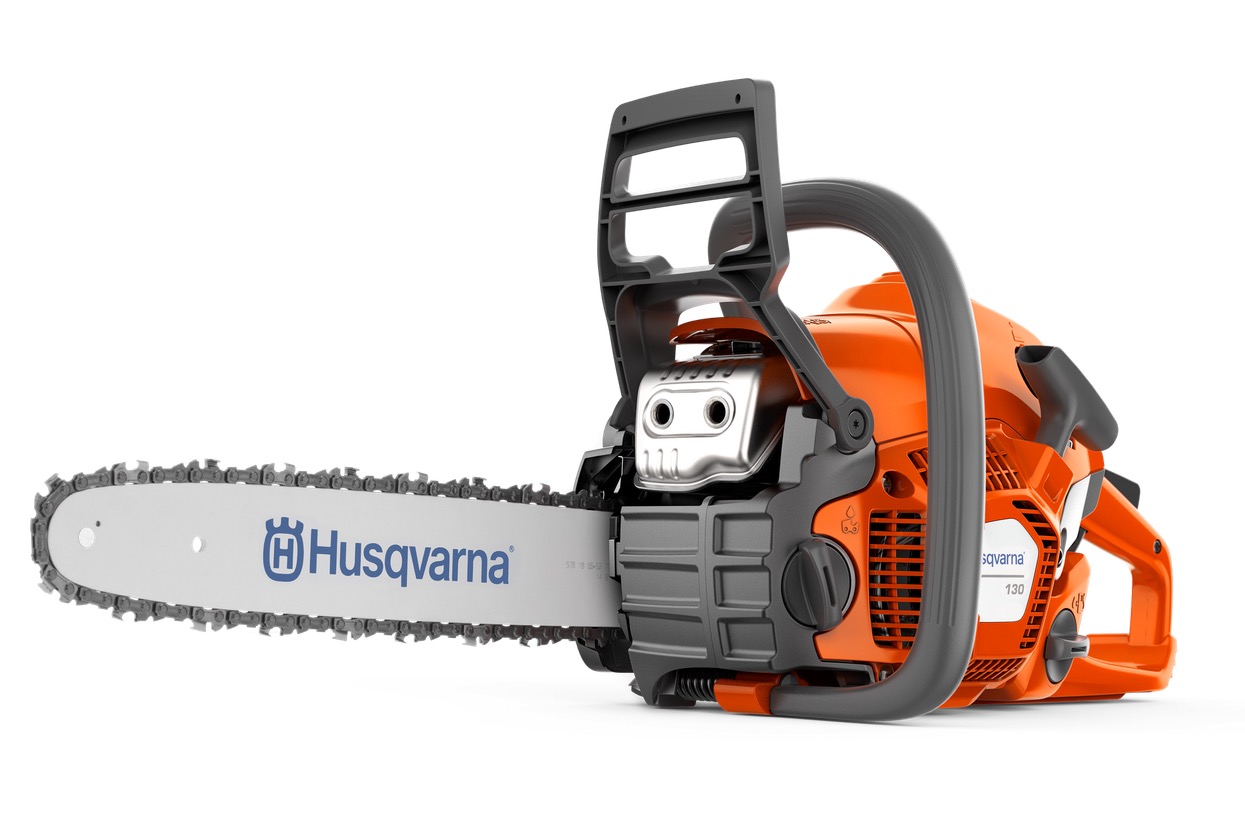
Husqvarna 130
The 130 is the 120's slightly stronger sibling — same 38.2cc bones with a two-horsepower tune and a 16-inch bar as standard for $259. That extra bit of chain speed matters more than the spec sheet suggests: owners report it holds RPM through 10-12 inch rounds where the 120 starts asking for patience. It shares the 120's honest limitations too — a budget airbox, tool-required tensioning, and a cold-start routine you'll memorize — and the forum consensus is blunt about the tier: this is a homeowner saw for occasional duty, not a firewood machine. The interesting cross-shop isn't Stihl; it's Husqvarna's own 435 II, which for about $120 more buys a genuinely nicer saw. But as a step up from the 120 that keeps the price under $300, the 130 hits a spot the competition mostly ignores.
Specifications
Highlights
Pros
- ✓Noticeably stronger in the cut than the 120 for $40 more
- ✓10.4 lb powerhead keeps fatigue low during cleanup work
- ✓16-inch bar covers most yard trees in one pass
- ✓Same wide Lowe's/Tractor Supply/dealer availability as the rest of the line
- ✓X-Torq economy means a tank lasts a long session
Cons
- ✗Same budget construction and airbox as the 120
- ✗Tool-required chain tensioning
- ✗Cold starting demands the full choke ritual every time
- ✗Not built for sustained bucking — duty cycle is the real limit
- ✗The 435 II is a big quality jump for not much more money
Related chainsaws
More from Husqvarna →
Husqvarna
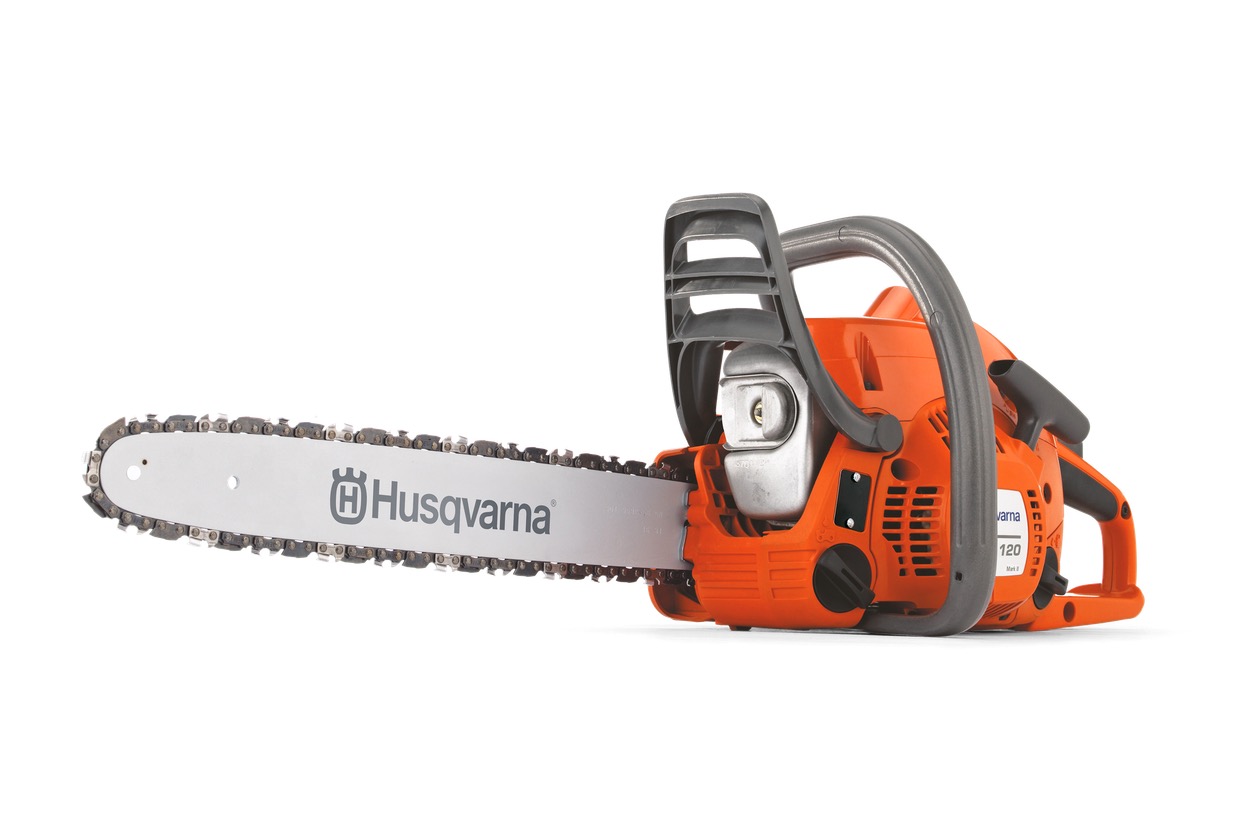
Husqvarna 120 Mark III
Husqvarna's answer to the Stihl MS 170 fight at the bottom of the gas market, now in its third generation: 38.2cc, a hair over 10 pounds, and a $219 price at Lowe's that gets a real Husqvarna badge into suburban garages. Owners like the X-Torq engine's fuel sipping and the light, neutral balance for limbing and storm cleanup, and the Mark III now carries bars up to 18 inches. The gripes are consistent and worth knowing: cold starts take more pulls than the ritual printed on the recoil housing suggests, the plastic construction reads budget next to the 400-series, and the tool-required chain tensioning annoys people coming from big-box battery saws. It's built in the same value tier as the Poulan hardware it shares DNA with — the badge buys you Husqvarna's dealer network and parts availability, which is exactly what the no-name saws at this price lack.

Husqvarna
Husqvarna 435 II
The 435 II is where Husqvarna's homeowner line stops feeling built to a price: a 40.9cc X-Torq engine in a 9.8-pound powerhead, which makes it one of the lightest real gas saws you can buy. Owners consistently praise exactly that combination — enough grunt for a 16-inch bar and small felling, in a package light enough that limbing all afternoon doesn't wreck your forearms. The .325 chain cuts smoother than the 3/8 mini on the 1-series, the air filtration is a genuine step up, and LowVib makes it far more pleasant than its price peers. The honest knocks: it's carbureted and fussy about stale fuel like every small two-stroke (spring no-start posts are a forum staple), the auto-oiler runs conservative from the factory, and at $379 it overlaps Echo's CS-4010, which brings a 5-year warranty to the same fight. Still the pick for weight-sensitive buyers.

Husqvarna
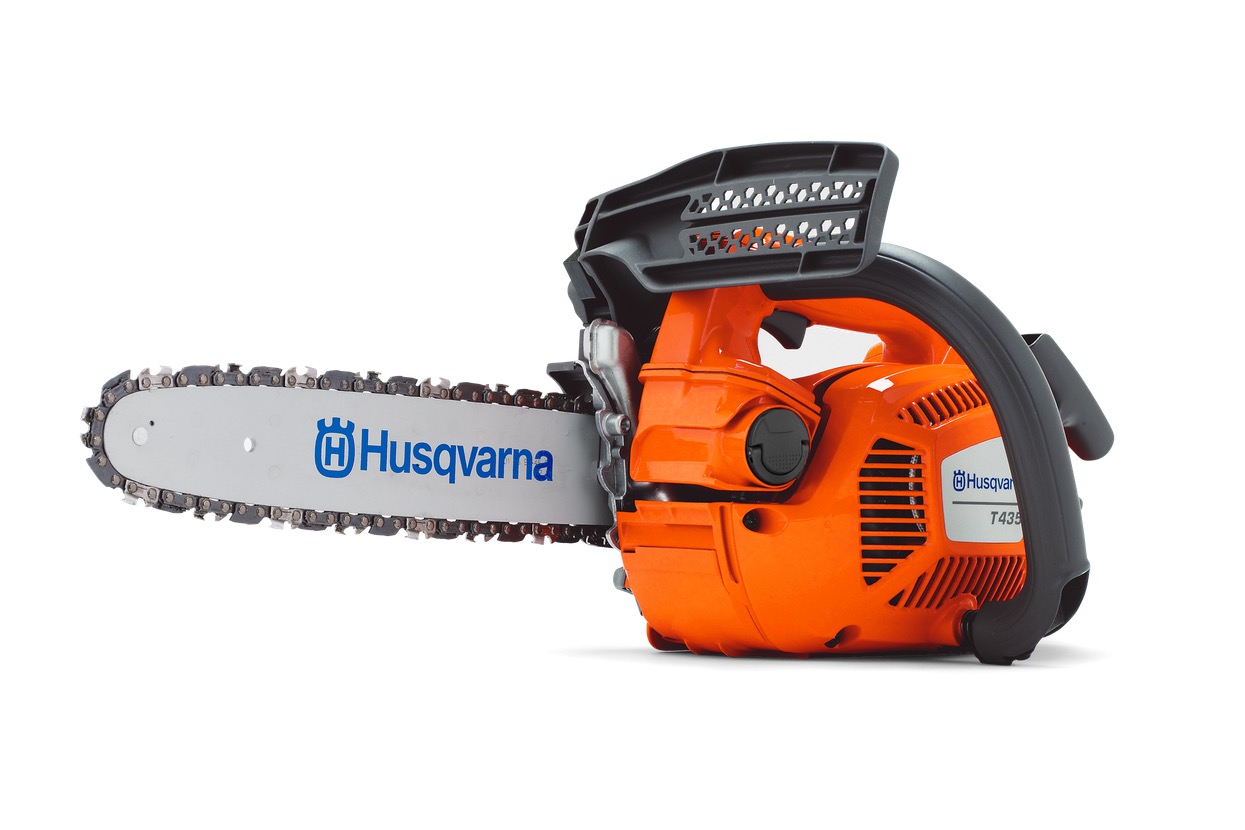
Husqvarna T435
Husqvarna's budget top-handle has quietly outlived several rumored replacements — it's still sold new in the US at around $429 (12-inch bar) while the flagship T540 XP Mark III runs $719. ArboristSite is candid about where it sits: "you won't find much love around here for a T435, but it's fine for the occasional-use homeowner type," though at least one commercial outfit ran three of them and kept buying because they were half the price of the old 338 XPT. The 35.2cc X-Torq engine is fuel-efficient and the 7.5 lb powerhead balances nicely in hand — several owners say it feels better than the spec sheet reads. The wear points show up under commercial abuse: stiff chain brakes, kill-switch failures, carb rebuilds, a torn intake boot on hard-used units, and an idle that wanders as the saw ages. Buy-once-cry-once voices push climbers to the T540 XP instead, and that's fair — this is the pruning saw for orchards, storm cleanup, and part-time climbing, not production takedowns. As a dealer-channel saw with no verifiable retail review aggregate, its reputation lives in forums, where the consensus is: honest little saw, know its lane.