Husqvarna 440

Husqvarna / Gas / Homeowner

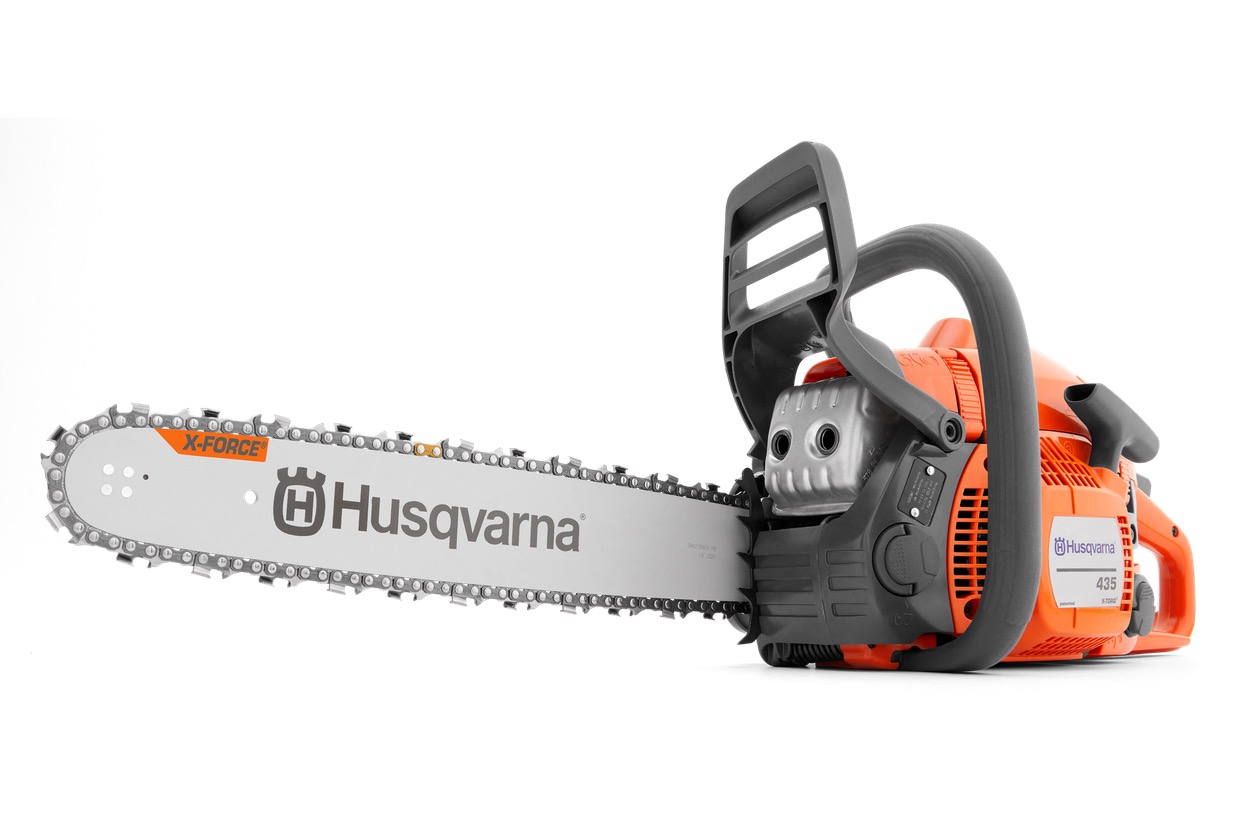
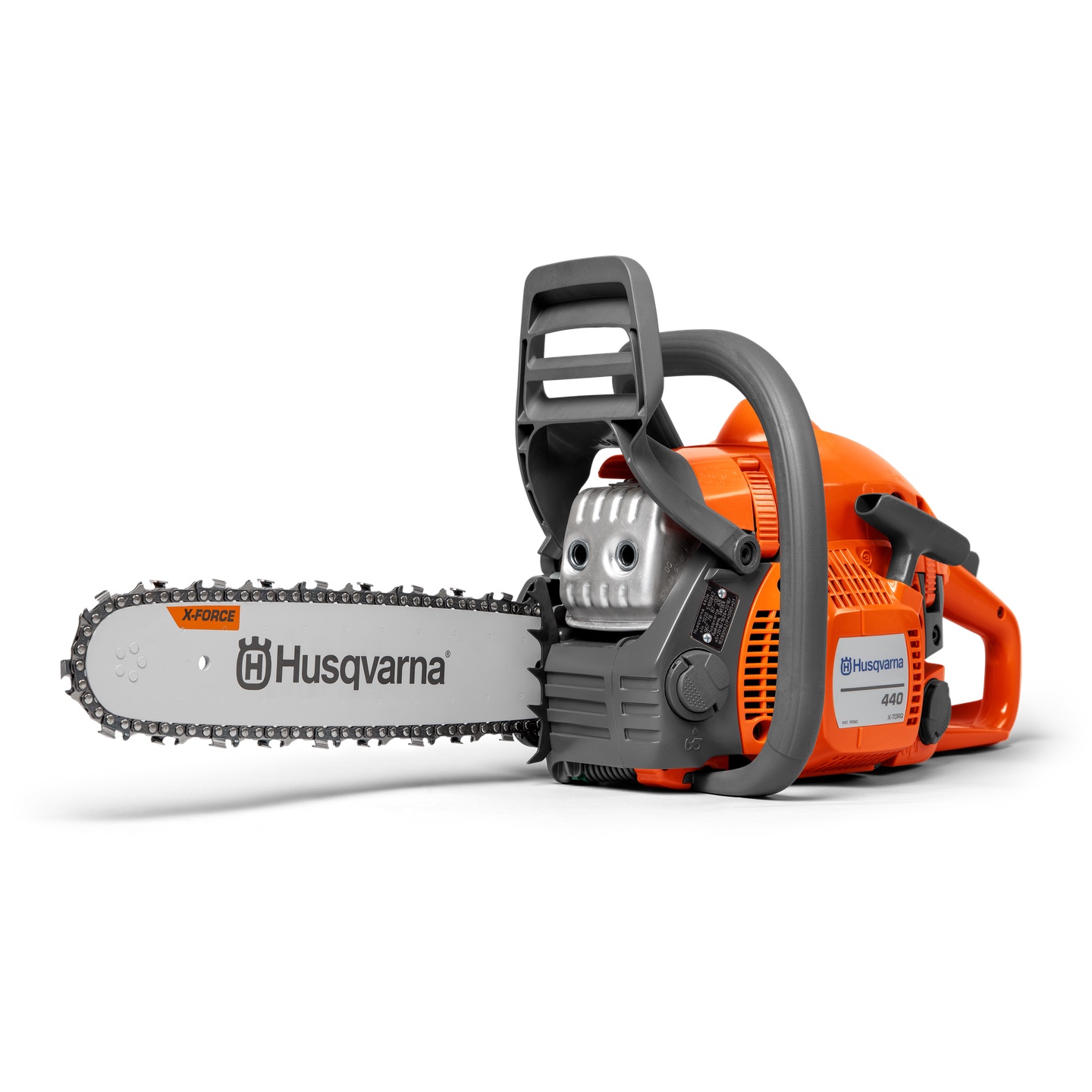
Husqvarna 440

40cc class
40.9cc
1.79 kW rated
18 in
cuts to about 16 in
9.78 lb
powerhead only (excl. cutting equipment)
~$400
approx., with 18" bar and chain
Check price on Amazon

We may earn a commission. Price and availability on Amazon's site may differ.

Under 10 pounds of powerhead is the whole argument for the 440. At 9.78 lb it is the lightest of Husqvarna's 40cc homeowner saws — a hair under the 435 II, and heavier only than the pro-tier 540 XP Mark III — and owners who bought it for limbing and storm cleanup consistently say it is the saw they actually reach for because it does not punish a shoulder after an hour. The X-Torq engine is genuinely frugal on fuel for a two-stroke this size. The honest problem is the carburetor: the recurring owner complaint across long-term reviews is hard starting and a wandering idle, and it shows up often enough that reviewers routinely steer buyers to the 455 Rancher instead. Note also that the 18-inch bar it ships with is the maximum the saw is rated for, so there is no headroom — Husqvarna's own range stops at 18 inches. For an acre or two of hardwood limbs it is well matched; for felling and bucking firewood all weekend it is undersized.

Best for: Homeowners limbing and cleaning up storm damage on a small property who want the lightest pull-start saw Husqvarna offers.

Specifications

Engine class
40cc class (by displacement)
Engine
40.9 cc
Bar range
13-18 in
Single-pass cut
about 16 in (bar minus 2)
Chain
.325" pitch / .050" gauge (H30)
Weight
9.78 lb, powerhead only (excl. cutting equipment)
Use case
Homeowner
Warranty
2-year residential (extends to 5 years with qualifying Husqvarna pre-mix fuel purchase and online registration)
Model
440

Manufacturer figures except the engine class and single-pass cut, which are derived here. What each spec means

  • Lightest 40cc Husqvarna at 9.78 lb
  • Ships at its 18-in bar ceiling
  • X-Torq fuel economy

What owners like

  • 9.78 lb powerhead is the lightest rear-handle gas saw in Husqvarna's current US range
  • X-Torq engine uses noticeably less fuel than older two-strokes of the same displacement
  • Smart Start reduces pull resistance enough that most owners start it one-handed on the stand
  • Side-mounted chain tensioner, no need to hunt for a scrench mid-cut
  • .325/.050 H30 chain is stocked by every Husqvarna dealer and most hardware stores
  • $400 street price undercuts the 445S by $50 while saving nearly a pound and a half

Common complaints

  • Carburetor complaints dominate owner reports — hard starts and an idle that will not settle are the recurring pattern
  • 18-inch bar is the rated maximum, so there is zero room to step up
  • 40.9cc bogs in anything much over a 12-inch hardwood round
  • Long-term reviewers frequently recommend spending up to the 455 Rancher instead
  • No heated handles or AutoTune at a price where some competitors offer tool-less tensioning

What owners say

Read from owner discussions, long-term write-ups and dated retail reviews; nothing here was measured on this site.

The 440 is a storm-cleanup, limbing and small-trunk saw, and the owners who are happiest with it are the ones who bought it for exactly that. The ownership reports that carry the most weight are the oldest ones: fourteen years on one saw, five or six on another cutting up to 24-inch trunks, and more than one multi-saw owner naming the 440 as the one they reach for because it is light and has enough power for most of what a property throws up. Nobody in those threads claims it is a professional saw, and the ones who like it best are clear about the boundary.

Two faults define the model. It leaks bar oil — one owner reports emptying the whole tank out of the box and being told by Husqvarna that this happens, and the standing advice is that the saw needs to live in a case if it ever rides in a vehicle. And it has a starting reputation, which splits owners sharply. Experienced sawyers insist most of it is user error: newcomers who do not know how to start a two-stroke buy a 440, flood it, and blame the saw. They are not entirely wrong — the published routine (lock throttle, choke, prime until you hear fuel, pull until it pops, push the choke in, pull again) works, pulling once without choke first clears a flood, and a warm start wants the choke lever flipped up and back down even though you never pull on choke. But some saws genuinely are faulty: one owner chased a dying-at-20-hours, full-throttle-to-start problem through carb, spark, compression, muffler and mixture screws before an aftermarket carburetor fixed it. Beyond that, expect the clutch end to need attention — bar nut torque that fights you, clutch drum play, a seizing sprocket — and know that the small K095 bar mount and .325 pixel chain limit what you can fit.

Owners point first-time buyers at a small dealer rather than a big-box aisle, specifically because a dealer will fuel it, test-run it and show you how to start it, which removes most of the complaints before they happen. The refurbished route is also well regarded here: $235 units from Husqvarna's own channel and Northern Tool, which owners suspect are new saws under a shorter warranty. Where the saw runs out is volume and diameter — owners cutting daily for work or bucking 2.5-foot oak get told to move up two classes, and the usual upgrade paths named in those threads are a 455 or 460 Rancher for more bar, or a 545 Mark II or 550 XP Mark II for a genuine pro chassis.

What owners like

  • The long-haul reports are genuinely long. One owner is 14 years in, including a stretch where the saw sat untouched for three years and then started on fresh gas without missing a beat; another has run an 18-inch 440 for five or six years with no issues at all, cutting trunks up to 24 inches. A man with four saws — a 136, a 440, a 460 Rancher and a Stihl MS311 — says at 68 the little 440 is the one he loves, and a second multi-saw owner calls it the most used of all of his.
  • Once you learn its specific starting routine it is repeatable to the pull. Owners describe it the same way: it pops on the second pull cold, then half-choke and it fires on the third, then first-pull all day after that. The trick several owners pass along is to flip the choke lever all the way up and back down even on a warm start, because following the sticker exactly is what makes it behave.
  • It is a cheap entry into the brand two ways. Factory-refurbished 440s and 445s turn up on Husqvarna's own listings and at Northern Tool — one owner paid $235 — and owners who have bought them suspect they are simply new stock sold at a lower price point with a shorter warranty. In Europe the gap is on new saws instead: one buyer chose the 440 at €409 over a comparable Stihl at €550.
  • Owners doing more than the saw is sold for do get away with it. Several report felling what they call big trees with it, and the consensus from the people who use it rather than review it is that it is a mid-sized workhorse for a homeowner rather than a toy — as one put it, not commercial, but it has gotten the job done.

Common complaints

  • It leaks bar oil badly, and this is the complaint most specific to this model. One owner says it leaks like none of his Stihls do and that it 100 percent needs to live in a case, especially if it travels. Another found his would empty the entire oil tank out of the box, and when he contacted Husqvarna years ago was told, in effect, that that will happen. The fix his father's 455 got — the updated tank-to-oiler hose plus sealant — is the closest thing to a cure owners have found.
  • Hard starting is real, and it is not always technique. One owner's saw started dying constantly at about 20 hours along with a won't-run-unless-held-at-full-throttle fault; he deep-cleaned the carb, checked spark and compression, inspected the muffler and adjusted the H and L screws with no result, then fitted a cheap aftermarket carburetor and it ran fine. He bought an Echo 501P anyway.
  • The bar mount boxes you in as much as the 18-inch rating does. It uses the small K095 mount, and an owner who wanted to drop to a 16-inch 3/8 low-profile setup for smoother cutting spent an hour failing to find a bar in that mount that was not bundled with a safety chain. The .325 pixel pitch also means a 2-in-1 sharpener bought for this saw will not do a 3/8-pitch saw in the same shed.
  • Chain bind at the clutch end comes up repeatedly. One owner cannot win on bar nut torque — tight enough and the chain will not move, slightly loose and the bar wobbles and throws the chain within ten minutes — and another traced the same symptom to in-and-out play in the clutch drum. A third had the sprocket seizing, freed it with WD-40 and a flathead, and got about ten minutes of cutting before it seized again.
  • The chain brake assembly is a known casualty. An owner needing cover part 501388203 after the brake mechanism broke would not run the saw without it, which turns a cheap saw into a parts hunt on auction sites and third-party shops of varying repute.
  • Push the volume up and it is the wrong saw, bluntly. An owner who went from occasional use to cutting every day for work found 2.5-foot oaks a struggle, and the advice he got was to stop trying — for oak that size the recommendation was a 70 to 90cc saw, with the point made that a saw two classes up had been slow and getting beaten up doing the same thing.

Questions owners ask

Mine will only run if I hold the throttle trigger open — what is wrong with it?

Almost always a flood, and the sequence matters. Owners who never have trouble lock the throttle, set the choke, push the primer three or four times until they hear fuel move, pull until it pops, push the choke in and pull again; carrying on pulling with the choke still on after it pops is what floods it. If you smell fuel, stop and wait fifteen minutes, and give it a pull or two with no choke to clear the cylinder first. If it still only runs at full throttle after a couple of dozen hours, treat the carburetor as suspect — one owner replaced his after exhausting spark, compression, muffler and mixture-screw checks.

Is it normal for it to empty its bar oil tank in storage?

It is normal for this saw, unfortunately. One owner reported it dumping the entire tank straight out of the box and was told by Husqvarna that it does that; others say it leaks far worse than any Stihl they own. The practical answers owners use are keeping it in a hard case, never transporting it on its side, and running the oil level down before it goes away for a while. The only real repair anyone describes is the one that cured a 455 — replacing the tank-to-oiler hose with the updated part and sealing it.

Can I fit a 20-inch bar, or a different pitch?

Eighteen inches is the rated ceiling and owners confirm there is nothing above it, which is the main reason people trade out of this saw. Changing pitch is harder than it sounds too: the saw uses the small K095 mount, and an owner who wanted a 16-inch 3/8 low-profile bar could not find one in that mount outside kits bundled with safety chain. Keep in mind the stock chain is .325 pixel, so a sharpener bought for the 440 will not cover a 3/8-pitch saw.

The chain binds as soon as I tighten the bar nuts. What should I check?

Check the clutch drum for in-and-out play before you blame the bar or the chain — one owner chased a bent bar and a bad chain before finding drum play was pulling everything out of line, and the cure is the drum, rim sprocket and needle bearing. Also confirm the sprocket at the bar nose spins freely; if the bar has been pinched the rails get squeezed in on it, and a seizing nose sprocket that only frees up for ten minutes at a time means a new bar. Bars and chains are consumables, and owners say a spare of each is the cheapest insurance there is.

Will it handle cutting firewood?

For a cord or two a year from limbs and smaller trunks, yes — owners report cutting up to 24-inch trunks with patience and a sharp chain. For daily volume or big hardwood it is the wrong tool: an owner who started cutting every day for work found 2.5-foot oaks a struggle and was told flatly to move to a 70 to 90cc saw, and the same advice gets given to anyone bucking oak at that diameter. Owners upgrading from a 440 typically name the 455 or 460 Rancher for more bar, or a 545 Mark II or 550 XP Mark II for a pro chassis.

Are the factory-refurbished 440s worth buying?

Owners who have bought them are positive. One picked up a factory-refurbished unit for $235, and others have seen refurbished 440s and 445s at Northern Tool at good prices and report they look and run like new. A buyer with industry experience noted that selling essentially new stock as refurbished with a shorter warranty is a common lower-price-point strategy rather than a sign of hard use. Expect to replace the chain and plug and give the carburetor a clean as cheap insurance either way.

Drawn from 8 owner threads and long-term reviews, kept on file with this entry.

Compare the Husqvarna 440

Nearest alternatives

More from Husqvarna
Husqvarna 435 II

Husqvarna / Gas

~$379

Husqvarna 435 II

40cc class
40.9cc
engine
16 in
bar
9.8 lb
bare

Homeowners with regular yard duty who value low weight above all and cut too often for entry-tier saws.

Homeowner
Husqvarna Power Axe 225i

Husqvarna / Battery

~$380

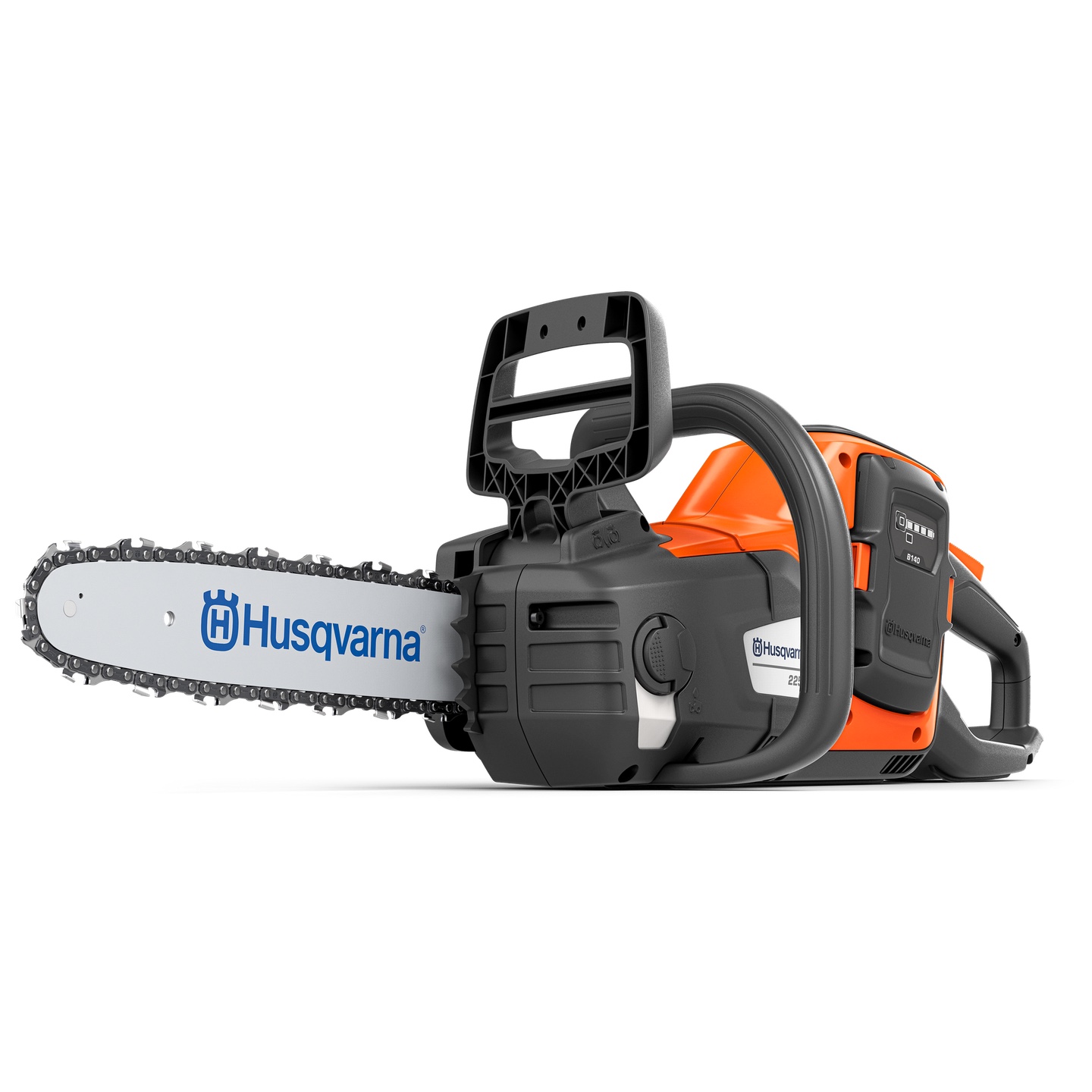
Husqvarna Power Axe 225i

40cc class (by bar)
40V
pack
14 in
bar
6.83 lb
bare

Homeowners with a small yard who want a battery saw for pruning and light storm cleanup rather than firewood.

Homeowner
Husqvarna 535i XP

Husqvarna / Battery

~$490

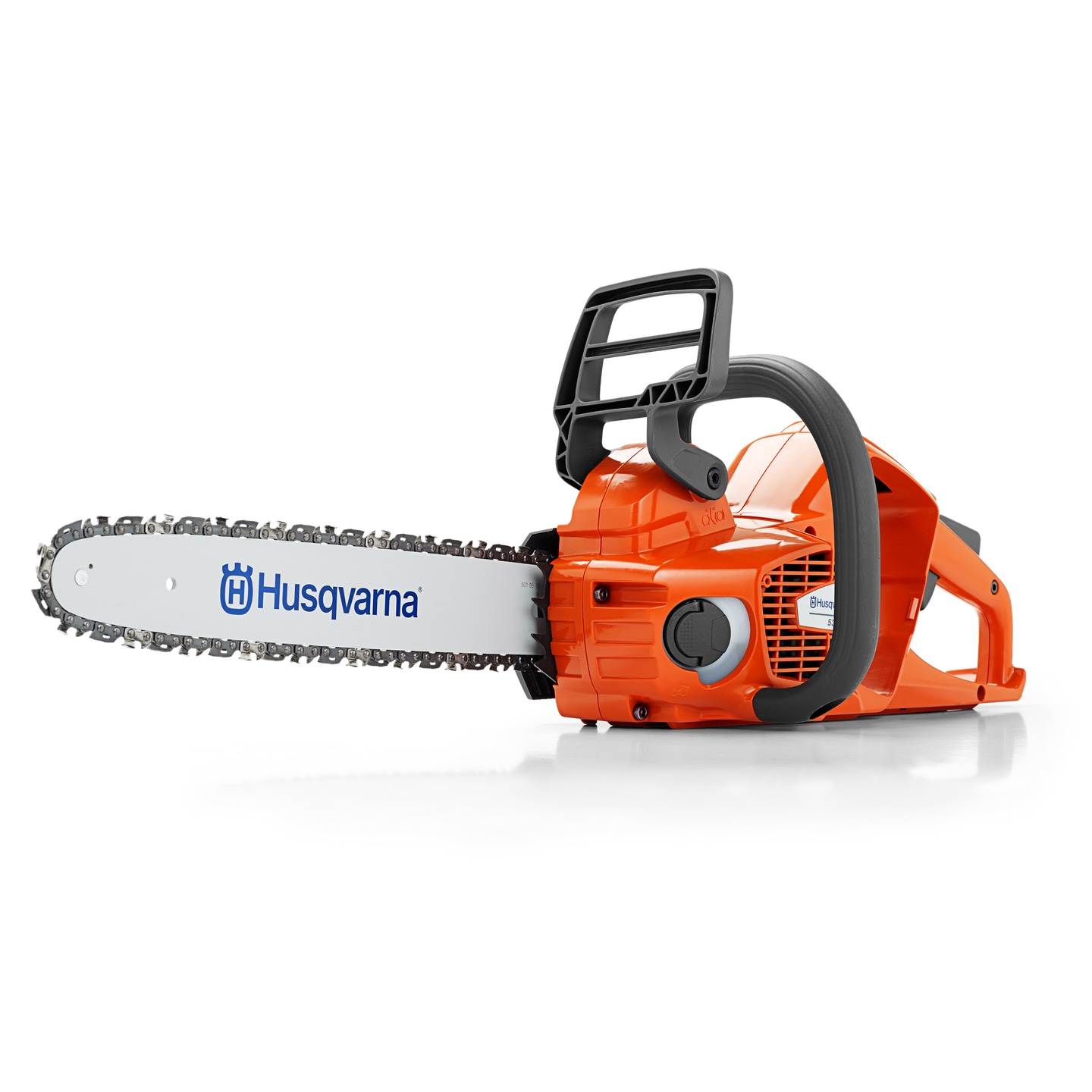
Husqvarna 535i XP

40cc class (by bar)
40V
pack
14 in
bar
5.29 lb
bare

Tradespeople and light tree-care crews who already own BLi-X batteries and want the lightest pro rear-handle saw available.

Professional

Sources for this entry