Husqvarna
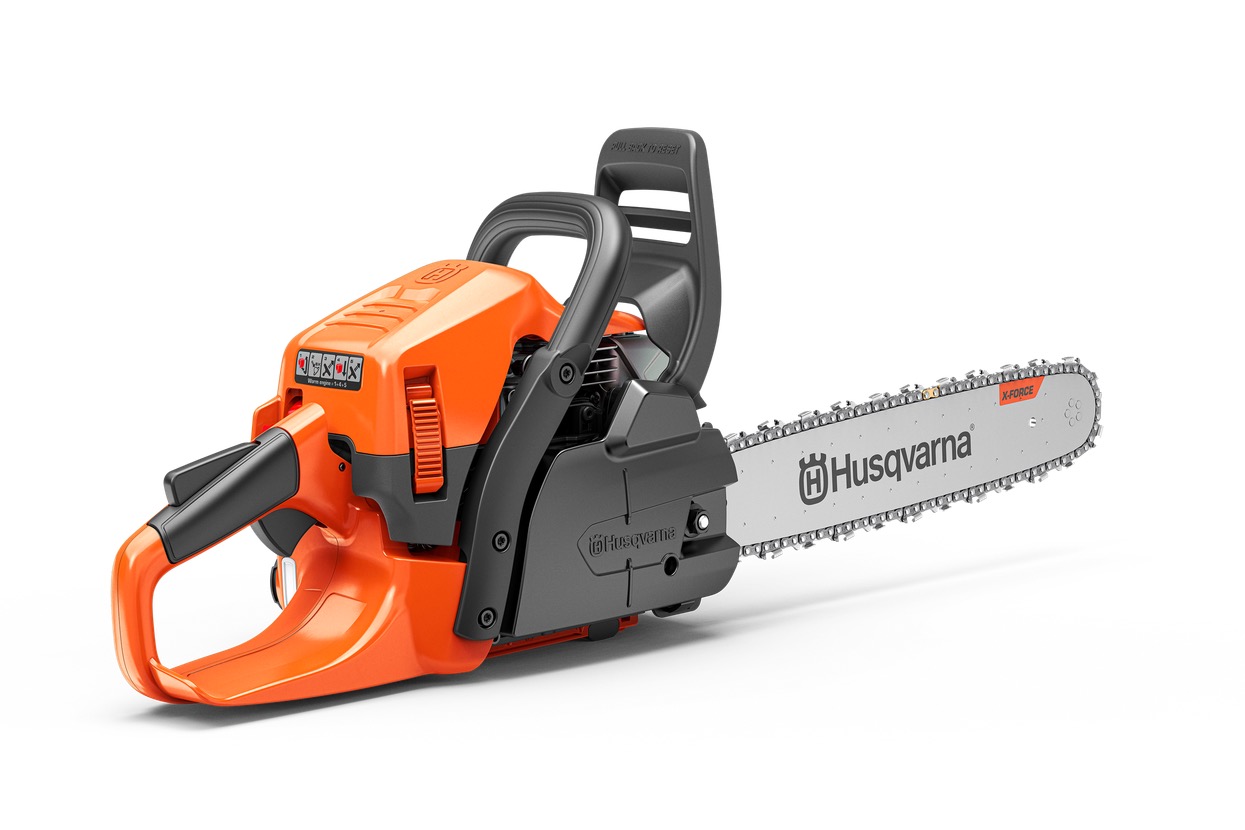
Husqvarna 450S Rancher
The current evolution of the 450 Rancher II, and quietly the smart buy in Husqvarna's Rancher lineup: 50.2cc making 3.2 horsepower in an 11-pound powerhead — over two pounds lighter than the 455 that everyone defaults to. Owners who cross-shop the two keep landing on the same math: the 450-class gives up a little displacement but swings all day, and the .325 chain keeps it smooth in the 12-16 inch hardwood that makes up most real firewood work. Street prices at dealers run $470-500. The knocks are familiar Rancher-line stuff: it's a consumer-grade crankcase built for weekends rather than pro duty, the factory chain is unimpressive, and Husqvarna's model churn (450, 450e, 450 Rancher II, now 450S) makes parts lookup mildly annoying. If your firewood pile doesn't demand the 455's extra cc, this is less money and less fatigue for the same cords.
Specifications
Highlights
Pros
- ✓Best power-to-weight in the Rancher family — 3.2 hp at 11 lb
- ✓.325" chain runs smoother than the 455's 3/8 in mid-size wood
- ✓Air Injection and LowVib carried down from the pro saws
- ✓Meaningfully cheaper than the 455 at dealers ($470-500 street)
- ✓Smart Start and fuel pump make it an easy starter for a 50cc saw
Cons
- ✗Consumer-grade construction — weekend duty cycle, not pro
- ✗Factory chain dulls fast; most owners swap it early
- ✗Model-name churn (450/450e/II/S) complicates parts and reviews
- ✗20-inch max bar is optimistic; it is happiest at 16-18
- ✗Dealer-dependent warranty experience
Related chainsaws
More from Husqvarna →
Husqvarna
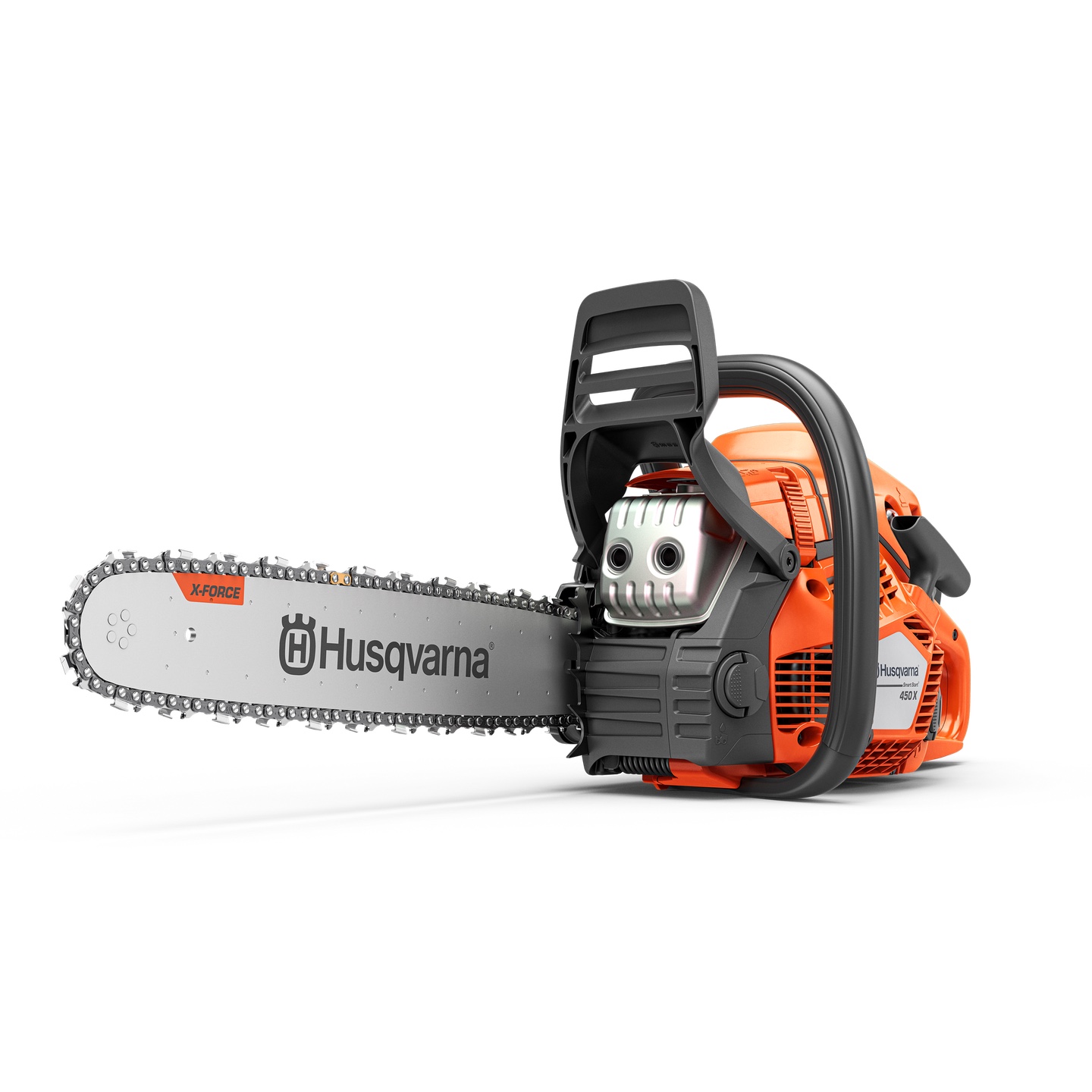
Husqvarna T435
Husqvarna's budget top-handle has quietly outlived several rumored replacements — it's still sold new in the US at around $429 (12-inch bar) while the flagship T540 XP Mark III runs $719. ArboristSite is candid about where it sits: "you won't find much love around here for a T435, but it's fine for the occasional-use homeowner type," though at least one commercial outfit ran three of them and kept buying because they were half the price of the old 338 XPT. The 35.2cc X-Torq engine is fuel-efficient and the 7.5 lb powerhead balances nicely in hand — several owners say it feels better than the spec sheet reads. The wear points show up under commercial abuse: stiff chain brakes, kill-switch failures, carb rebuilds, a torn intake boot on hard-used units, and an idle that wanders as the saw ages. Buy-once-cry-once voices push climbers to the T540 XP instead, and that's fair — this is the pruning saw for orchards, storm cleanup, and part-time climbing, not production takedowns. As a dealer-channel saw with no verifiable retail review aggregate, its reputation lives in forums, where the consensus is: honest little saw, know its lane.

Husqvarna
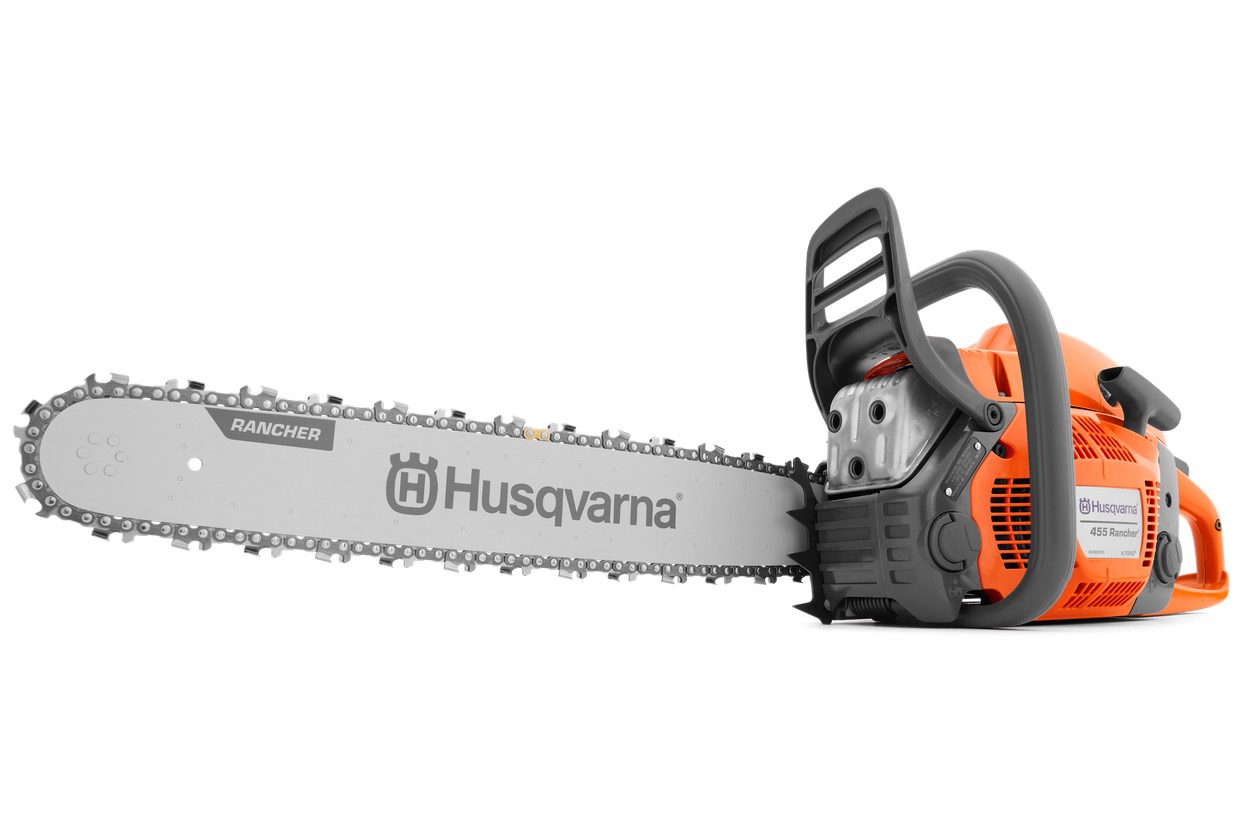
Husqvarna 455 Rancher
America's default farm saw, full stop — the 455 Rancher has been the answer to "what chainsaw should I buy for firewood" at Lowe's for two decades, and its 4.6-star average across about 700 reviews there says the formula still works: 55.5cc, a 20-inch bar, and a chassis that shrugs off neglect. Owners love that it starts spring after spring and pulls a full 20 inches through oak without drama. The counterpoint lives on the forums, where the 455 is the perennial punching bag: at 13.2 pounds for the powerhead it's genuinely heavy for its power class, the vibration is noticeable next to a 550 XP, and the pro crowd sniffs at the consumer crankcase. Both camps are right. This is a saw built to survive ranch sheds, not win power-to-weight arguments — and the Stihl MS 271 and Echo CS-590 comparisons are the most-argued matchups in the category for a reason.

Husqvarna
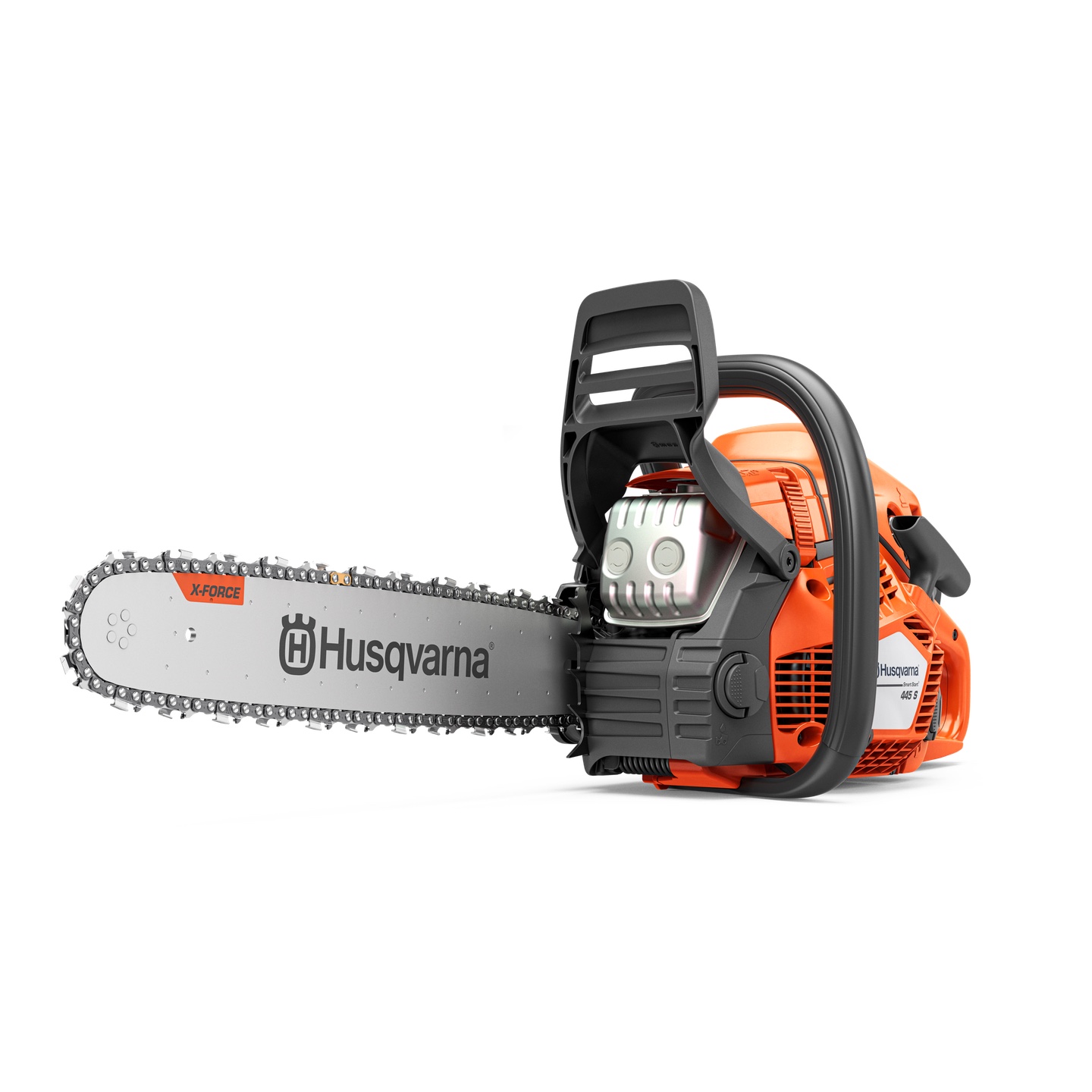
Husqvarna 435 II
The 435 II is where Husqvarna's homeowner line stops feeling built to a price: a 40.9cc X-Torq engine in a 9.8-pound powerhead, which makes it one of the lightest real gas saws you can buy. Owners consistently praise exactly that combination — enough grunt for a 16-inch bar and small felling, in a package light enough that limbing all afternoon doesn't wreck your forearms. The .325 chain cuts smoother than the 3/8 mini on the 1-series, the air filtration is a genuine step up, and LowVib makes it far more pleasant than its price peers. The honest knocks: it's carbureted and fussy about stale fuel like every small two-stroke (spring no-start posts are a forum staple), the auto-oiler runs conservative from the factory, and at $379 it overlaps Echo's CS-4010, which brings a 5-year warranty to the same fight. Still the pick for weight-sensitive buyers.