The gas-versus-battery argument is mostly settled at the extremes — nobody fells big timber on batteries, and nobody who cuts twice a year enjoys carb maintenance — but the middle is where most buyers live. The honest answer turns on three things: how long you cut at a stretch, how often the saw sits unused, and whether you already own somebody's battery platform.
What battery saws genuinely do better
Every miserable part of gas chainsaw ownership disappears: no pull cord, no choke ritual, no stale fuel in spring, no carb rebuild because the saw sat for eight months, no ear-splitting idle between cuts. Press the trigger, cut, put it down. For the homeowner who cuts a dozen times a year, that reliability-when-grabbed is worth more than any spec — a battery saw is always ready, and a neglected gas saw frequently isn't.
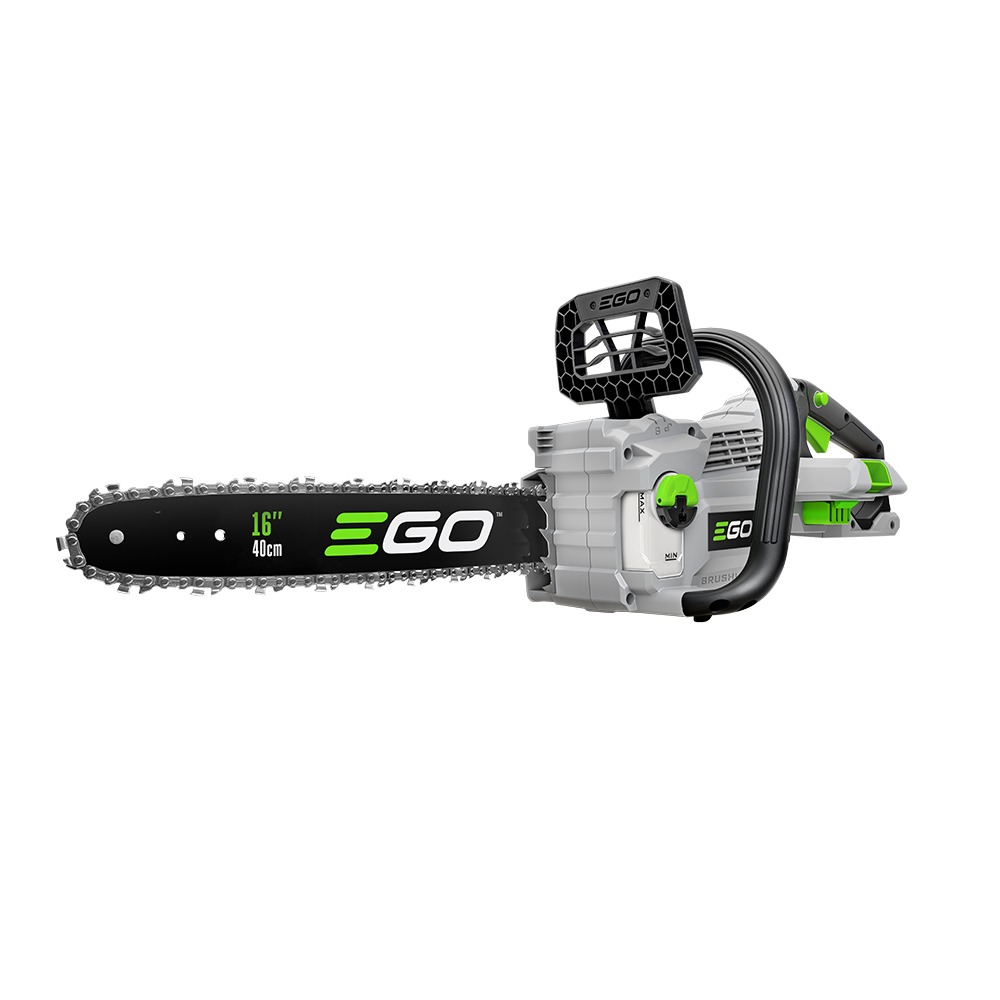
They're also quiet enough to change what work is possible: storm cleanup at 7 a.m. without feuding with neighbors, no hearing damage during intermittent cutting (though you should still wear protection in the cut), and conversation between cuts. Modern 56-80V saws — EGO's 16- and 20-inch models are the reference points — cut as fast as a 40-45cc gas saw in wood up to their bar length. That's not marketing anymore; head-to-head cut tests keep confirming it.
The energy math nobody prints on the box
A gallon of gasoline holds about 33 kWh of energy; even at a small engine's terrible efficiency, the half-liter tank on a 50cc saw delivers roughly 30-45 minutes of hard, continuous cutting and refills in thirty seconds for pocket change. A big 5-6Ah 56V pack holds about 0.3 kWh, delivers maybe 20-40 minutes of intermittent cutting, and then needs 40-60 minutes on a charger — or a $150-$350 spare pack.
That's the entire gas case in one paragraph. For limbing and cleanup, where the saw idles in your hand more than it cuts, one battery covers a session and the math never bites. For bucking a truckload of firewood — sustained, full-load cutting — you'd need three or four packs to match one tank-and-a-jerry-can afternoon, and now the 'cheap' battery saw costs more than a pro gas saw.
Where gas still wins outright
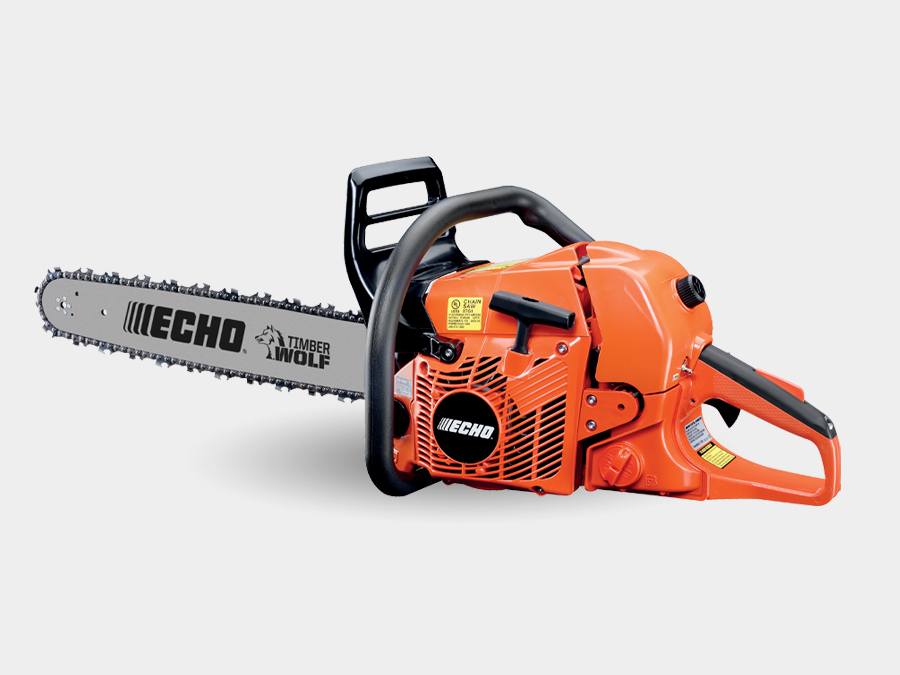
Sustained heavy cutting: firewood by the cord, felling anything serious, land clearing, storm work that runs all day. Refueling is seconds, power doesn't taper as the tank empties, and a 50-60cc gas saw pulls a longer bar harder than any consumer battery saw. Above the 45cc-equivalent line, batteries currently have no answer at consumer prices.
Cold weather, remote work, and resale round out the list: lithium packs lose bite below freezing, a fuel can doesn't care, and there's no charger in the woods. A used Stihl or Husqvarna gas saw also holds value in a way battery saws — whose packs age — don't.
The platform question
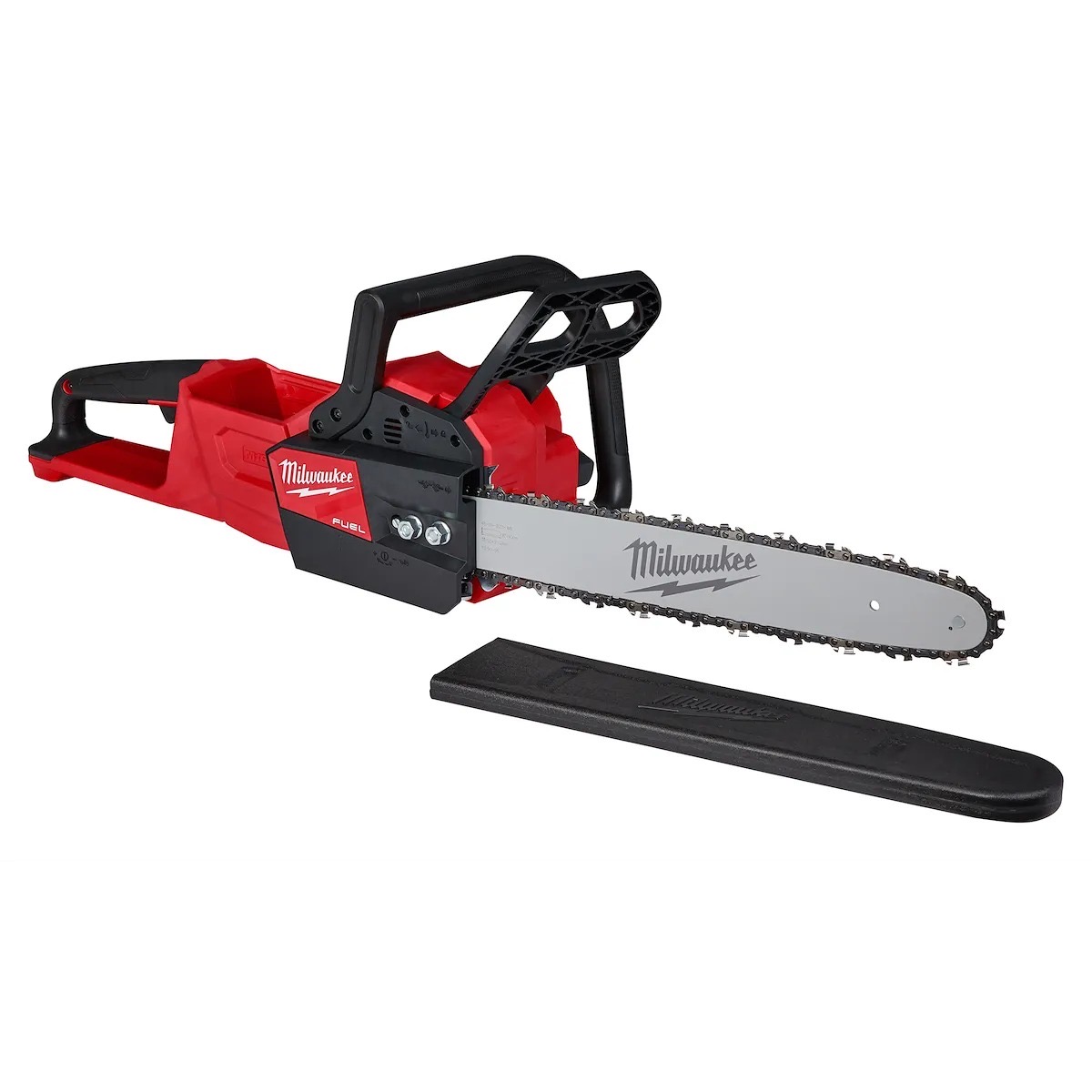
If you already own Milwaukee M18, EGO, Ryobi 40V, or DeWalt 20V/60V lawn tools, the calculus shifts hard toward battery: a bare-tool chainsaw at $150-$250 sharing packs you already charge is often the cheapest competent saw you can buy. Starting from zero, compare kit prices honestly — the battery and charger are half the cost, and the marketing photo never shows the second pack you'll want.
The honest answer
Cut occasionally, near the house, mostly under 16 inches: battery, no hesitation — you'll actually use it, because it always starts. Cut firewood in volume, fell real trees, or work far from outlets: gas, and buy quality. In the middle, the two-saw answer is quietly becoming the standard: a battery saw for the ninety percent of jobs that are quick, and a 50cc gas saw for the weekends that aren't. If forced to one saw for real mixed work, gas still edges it — runtime is the tiebreaker.
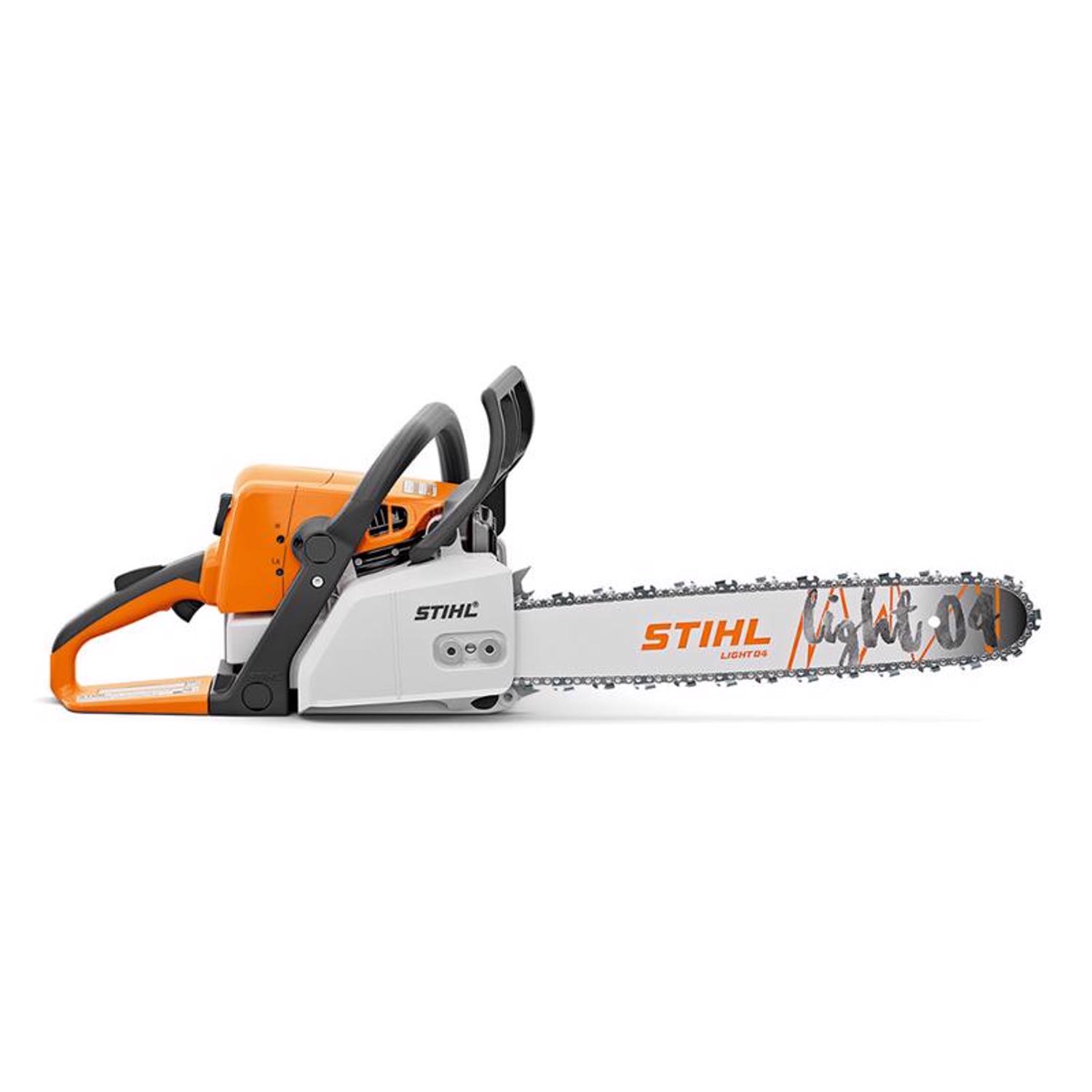
Budget-minded firewood cutters who want the most cutting power per pound and per dollar in Stihl's homeowner line and will tolerate old-school starting ritual.