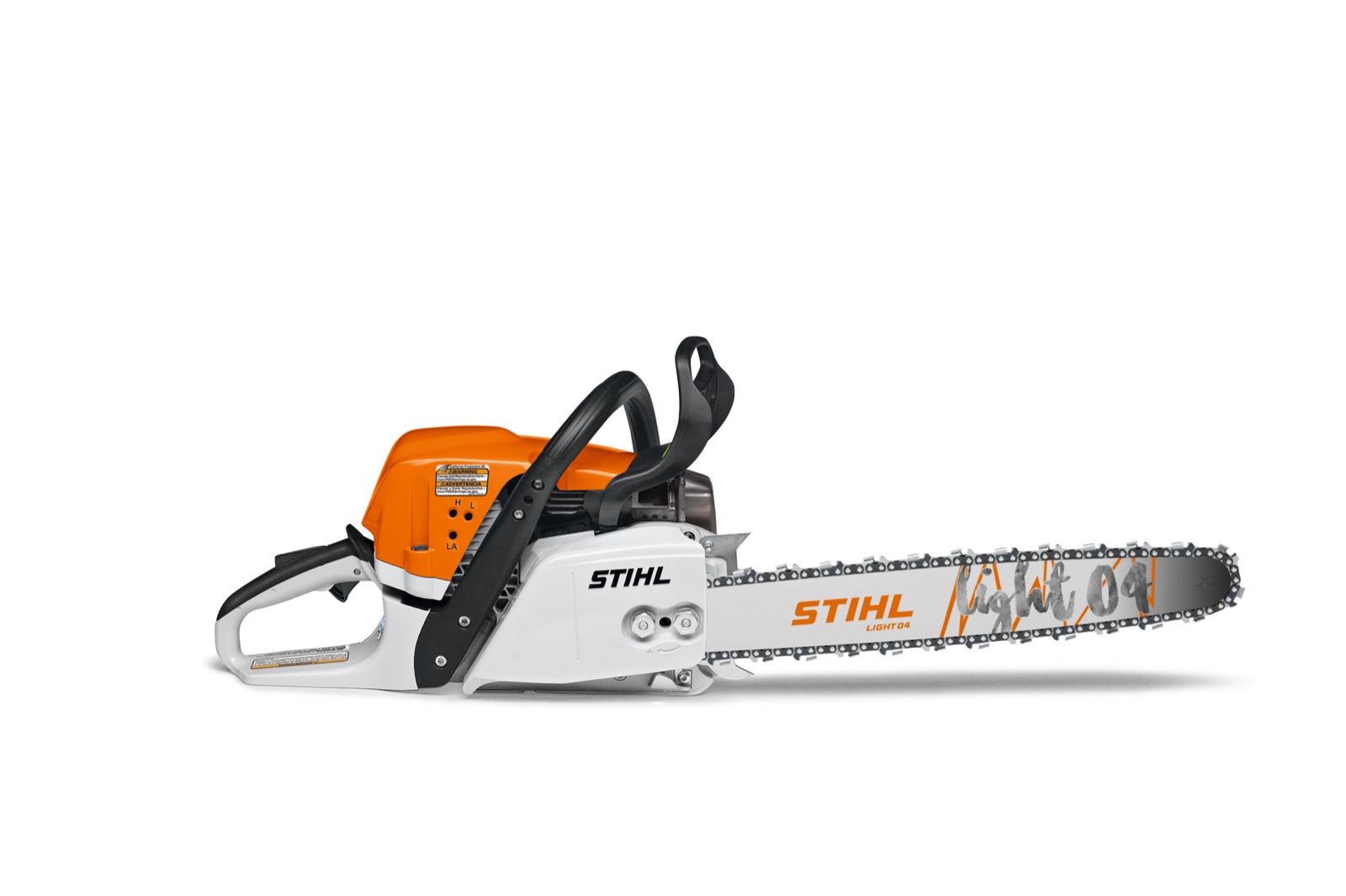
Stihl MS 391

Stihl / Gas / Farm & Ranch

Stihl MS 391

60cc class
64.1cc
3.3 kW rated
18 in
cuts to about 16 in
13.8 lb
powerhead only, without fuel (16.7 lb with the 18" bar and chain)
~$840
approx., with 18" bar and chain
See it at Stihl

Price and availability on Stihl's site may differ.

64.1cc and 3.3 kW for $840, and the largest displacement Stihl sells outside the professional range. It will run a 25-inch bar, fell and buck anything a landowner is likely to meet, and owners a decade in report nothing worse than normal wear. It is also the saw experienced users warn hardest about. Two complaints repeat: the weight — 13.8 lb of powerhead, identical to the smaller MS 311 and 1.5 lb more than the pro MS 362 C-M that makes more power — and the transfer-port covers, which are glued to the cylinder and, in long-term threads, eventually leak air; when they do, the piston usually goes with them. Buyers who moved up from a 391 to a 362 describe it as the upgrade they should have made first. For a homeowner felling a few big trees a year it is a lot of saw for the money; for anyone cutting commercially it is the wrong tool.

Best for: Landowners who occasionally need to fell genuinely big trees and will not be running the saw day after day for pay.

Specifications

Engine class
60cc class (by displacement)
Engine
64.1 cc
Bar range
16-25 in
Single-pass cut
about 16 in (bar minus 2)
Chain
3/8" pitch / .050" gauge (33 RS3)
Weight
13.8 lb, powerhead only, without fuel (16.7 lb with the 18" bar and chain)
Use case
Farm & Ranch
Warranty
1-year consumer / 3-month professional (Stihl policy effective Jan 1, 2026)
Model
MS 391

Manufacturer figures except the engine class and single-pass cut, which are derived here. What each spec means

  • 64.1cc, runs a 25" bar
  • Heaviest non-pro Stihl at 13.8 lb
  • Known glued transfer-port failure

What owners like

  • Biggest engine in Stihl's farm range — 3.3 kW handles a 25" bar and large-diameter felling
  • Owners report ten-year service lives in homeowner use
  • IntelliCarb and pre-separation filtration hold mixture steady as the filter loads
  • Bumper spikes, side-access tensioner and toolless caps — easy to work around in the field
  • About $270 less than an MS 362 C-M while out-displacing it

Common complaints

  • Glued transfer-port covers are a documented long-term air-leak path, and owners report piston destruction when one lets go
  • 13.8 lb powerhead — heavier than the pro MS 362 C-M, which makes more power
  • Long-term users describe it as awkward to work on compared with the pro chassis saws
  • Does not hold up under commercial use; owners who cut for pay move to the 362 or 400
  • No M-Tronic at $840

What owners say

Read from owner discussions, long-term write-ups and dated retail reviews; nothing here was measured on this site.

The 391 is the biggest saw in Stihl's farm range at 64.1cc, and owners split hard over it. The people who use one a few times a month to heat a house or clear land mostly like it: a camp saw bucking large rounds has lasted ten years of volunteer abuse on nothing but bars and chains, another owner ran his as his medium saw for over seven years on filters and 50:1, and one who admits to breaking everything is four years in and expects a thousand hours. The value argument is 64cc and 4.4 bhp against the MS 362's 59cc and 4.6 bhp for roughly $300 less, and owners are blunt about it — the 362 is better in every department, and you do not need it unless you are cutting a lot.

The people who cut for a living are much harsher, and the complaint is always the same two words: weight and power. The top-voted verdict calls it one of the most overweight and underpowered saws in the range. Owners who own both it and a 261 describe the 391 as heavy and slow but reliable; one who was handed one at work avoids it; one reports a 20-year-old 59cc Husqvarna cutting circles around a new one. The mechanical complaint that matters is the transfer-port covers, which are sealed rather than bolted: when one lets go the engine sucks air, runs lean and can rev to maximum on its own, and the owner who publicised it lost his mid-cut after three years of seasonal use with a bore that still looked perfect. Cold-start flooding is the other recurring quirk, and at least one brand-new saw came with a defective carburetor its dealer could not replace for six weeks.

Set it up the way owners who are happy with it do. Keep a 20-inch bar on it for hardwood — Stihl does not recommend longer, the oiler is marginal past that, and the long-bar threads always end with somebody pointing out the bar is the problem, not the saw. In softwood, 25 to 28 inches with a full skip chain is reported as workable, and the phrase that comes up repeatedly is that a skip chain makes it a different saw. A muffler mod with a retune is the other upgrade owners rate, and a modified 391 is reported pulling a 25-inch bar on tall stumps without bogging. Check the clutch drum and spur sprocket before you blame a chain that will not hold tension. And if you are cross-shopping, the answers owners give are a 261 if you want something lighter you will actually enjoy, a 362 or 400 if you cut often enough to need a saw that can be split and rebuilt, and an Echo CS-590 or 620 if the deciding factor is money. Broken 391s turn up free or nearly free, and aftermarket top-end kits make them a reasonable project if you are handy.

What owners like

  • The long-service reports are real and they are not from careful owners. A camp saw used for bucking large rounds has been going at least ten years in the hands of volunteers who, in its keeper's words, beat the hell out of it, and has needed nothing but bars and chains. One owner used his as his medium saw for more than seven years with nothing but filters, 50:1 mix and a sharp chain. Another who says he breaks everything and has a garage full of trashed saws from other brands still has his 391 after four years at roughly 50 hours a year and expects a thousand hours out of it. One runs a 28-inch bar with a full skip chain on his every day and reports no issues.
  • The value case against the MS 362 is specific. Owners put the comparison at 64cc and 4.4 bhp against the 362's 59cc and 4.6 bhp for roughly $300 less, and the summary one of them gives is the honest one: the 362 is a better saw in every department, and you do not need to spend the extra money unless you are cutting a lot. Owners have little patience for dealers who claim the 391 will not last two seasons without major service — several push back directly, pointing at farm saws of this type lasting decades on seasonal use.
  • It transforms with a skip chain and an opened muffler, and this is the modification owners talk about most. A muffler-modded and retuned 391 is reported pulling a 25-inch bar hard enough to lean into on tall stumps without bogging or stalling, just cutting slowly. Owners running 28-inch bars with full skip in fir, pine and cedar say it does well as long as the chain stays sharp. The recurring line is that the saw becomes a different saw with a skip chain.
  • It is cheap to resurrect, which matters because broken ones are everywhere. Owners pick these up free or nearly free from people who straight-gassed them, and aftermarket top-end kits make the rebuild affordable — one first-time rebuilder did his with a Meteor kit and found it straightforward, and the aftermarket Hyway kit is noted to include bolts for the transfer covers that the factory kit does not. If you are comfortable with hand tools, a scored 391 is a project rather than scrap.

Common complaints

  • The glued transfer-port covers are the documented failure point and owners name the symptom precisely: when a cover lets go the engine sucks air, runs lean and can rev to maximum on its own. The owner who made the loudest case lost his after three years of seasonal use — it died mid-cut with a cylinder that still looked perfect inside. Others repeat the same warning as a reason to spend more on a pro saw, because when one goes you are into a rebuild.
  • It is heavy for what it makes, and this is the single most repeated judgement about the saw. The top-voted verdict calls it one of the most overweight and underpowered saws in Stihl's lineup. Owners who have both say the 391 is heavy and slow next to a 261 while being reliable; one who was given one at work says he prefers not to touch it unless he has to; another simply says he hates his. For scale, one owner reports a 20-year-old 59cc Husqvarna 359 cutting circles around a new 391, and a speed-cutting competitor says you will not win many races with one.
  • Anything over a 20-inch bar does not work in hardwood, whatever the catalogue allows. Owners point out Stihl does not recommend a bar over 20 inches for it, and the thread from an owner fighting a bogged, slanted cut with a 25-inch bar ends with the same diagnosis from several people: too much bar for a 60cc-class saw in oak, maple and walnut. The oiler is marginal at that length too — one owner reports it sometimes struggling to keep a 25-inch bar oiled. In softwood, 25 to 28 inches with full skip is reported as workable.
  • It is not a saw you can keep rebuilding. Owners draw the line between the 6-series pro saws, which have magnesium cases that can be split and serviced, and the 9-series, which cannot — so repairs that are routine on a 362 are awkward or uneconomic here. Owners who moved from a 391 to a 362 or 462 describe the difference as night and day and say they could never go back to a mid-range saw.
  • Cold-start flooding comes up from owners who otherwise like the saw, and new-saw carburetor faults do too. One buyer's brand-new 391 had starting trouble traced to a defective carburetor his dealer could not source for six weeks — he put another $220 towards a 362 instead, and reports it started on the first pull and was far lighter. Separately, several owners who report no other problems mention occasional flooding on a cold start as the saw's one quirk.
  • The stock one-piece clutch drum and spur sprocket wear out and take chain tension with them. The owner whose chain sagged after a single cut turned out to have a sprocket worn well past its replacement limits; the fixes owners offer are to replace it with a two-piece drum and rim sprocket so you can swap seven- and eight-tooth rims, and to check the bar nose sprocket and tensioner for play while you are in there. Worth knowing before you blame the chain.

Questions owners ask

Are the glued transfer covers really a known failure, and what does it look like when one goes?

Owners treat it as a real failure mode rather than a rumour. The covers over the transfer ports are sealed rather than bolted, and when one loses its seal the engine draws air past it. The symptoms owners describe are a lean condition and, in the worst case, the saw revving all the way to maximum on its own and refusing to settle back to idle. The owner who documented it lost his saw mid-cut after three years of seasonal use, with a cylinder that still looked perfect inside. If you suspect it, pressure and vacuum test the engine rather than chasing the carburetor — owners who have replaced carburetors twice on a runaway 391 before testing say so with some regret. The aftermarket Hyway rebuild kit includes bolts for the covers that the factory kit does not.

My 391 starts fine but then revs to maximum on its own. What is it?

The answer owners converge on is an air leak, not a carburetor. A lean condition from air entering past a failed crank seal, the intake boot or the sealed transfer covers will make the saw rev out and hunt. Pressure and vacuum test it with soapy water to find the leak. If you want a quick field check, owners run the saw and spray flammable brake cleaner around the crank seal areas and then the intake boot, keeping it away from the air filter, and listen for the revs to change. Replacing gaskets, fuel lines and the carburetor — which several owners did first — does not fix a leaking case.

How long a bar will it actually pull, and what chain should be on it?

Twenty inches in hardwood, and owners note Stihl does not recommend longer for this saw. The 25-inch threads always end the same way: too much bar for a 60cc-class saw in oak, maple, walnut and cherry, and the oiler can struggle to keep up at that length. In fir, pine and cedar, owners do run 25 and even 28 inches successfully with a full skip chain to keep chain speed up, and a muffler-modded saw handles it better. If you are getting slanted cuts, that is almost never the saw — owners point to rakers filed too low, teeth not evenly sharp, or uneven bar rail wear, and the diagnostic is to flip the bar and see whether the cut straightens out, dressing the rails with a square if it does not. If you genuinely need 24 to 28 inches in hardwood, owners tell you to buy a 70cc saw.

MS 391 or MS 362 — is the extra money worth it?

Owners who have owned both say the 362 is better in every department and that whether you need it comes down to hours. The numbers they cite are 64cc and 4.4 bhp for the 391 against 59cc and 4.6 bhp for the 362, so you are paying roughly $300 for less displacement, slightly more power, several pounds less weight and a magnesium case that can be split and rebuilt. If you are cutting firewood a few times a month and looking after the saw, owners say the 391 is the right call and you saved the money. If you are cutting constantly, the 391 is the wrong tool — the owners who upgraded describe the difference as night and day and say they would never buy a mid-range saw again. Treat a dealer who claims the 391 will not survive two seasons as upselling; owners point to farm saws of this type running for decades on seasonal use.

My chain will not hold tension for more than a cut or two. What should I check?

Check the sprocket first. The owner who had exactly this problem turned out to have a one-piece clutch drum with the spur sprocket worn well past its replacement limits — lay the chain over the drive teeth and it should sit flush; if it does not, the sprocket is done. Owners suggest replacing it with a two-piece drum and rim sprocket, which also lets you swap between seven- and eight-tooth rims. After that, confirm you are holding the bar tip up while you tension and then tightening the bar nuts fully, since the tensioner only holds the chain while the nuts go down, and check that the bar nose sprocket and the chain both move freely. A worn tensioner with play in it, or a stretched chain, are the other two suspects.

Drawn from 8 owner threads and long-term reviews, kept on file with this entry.
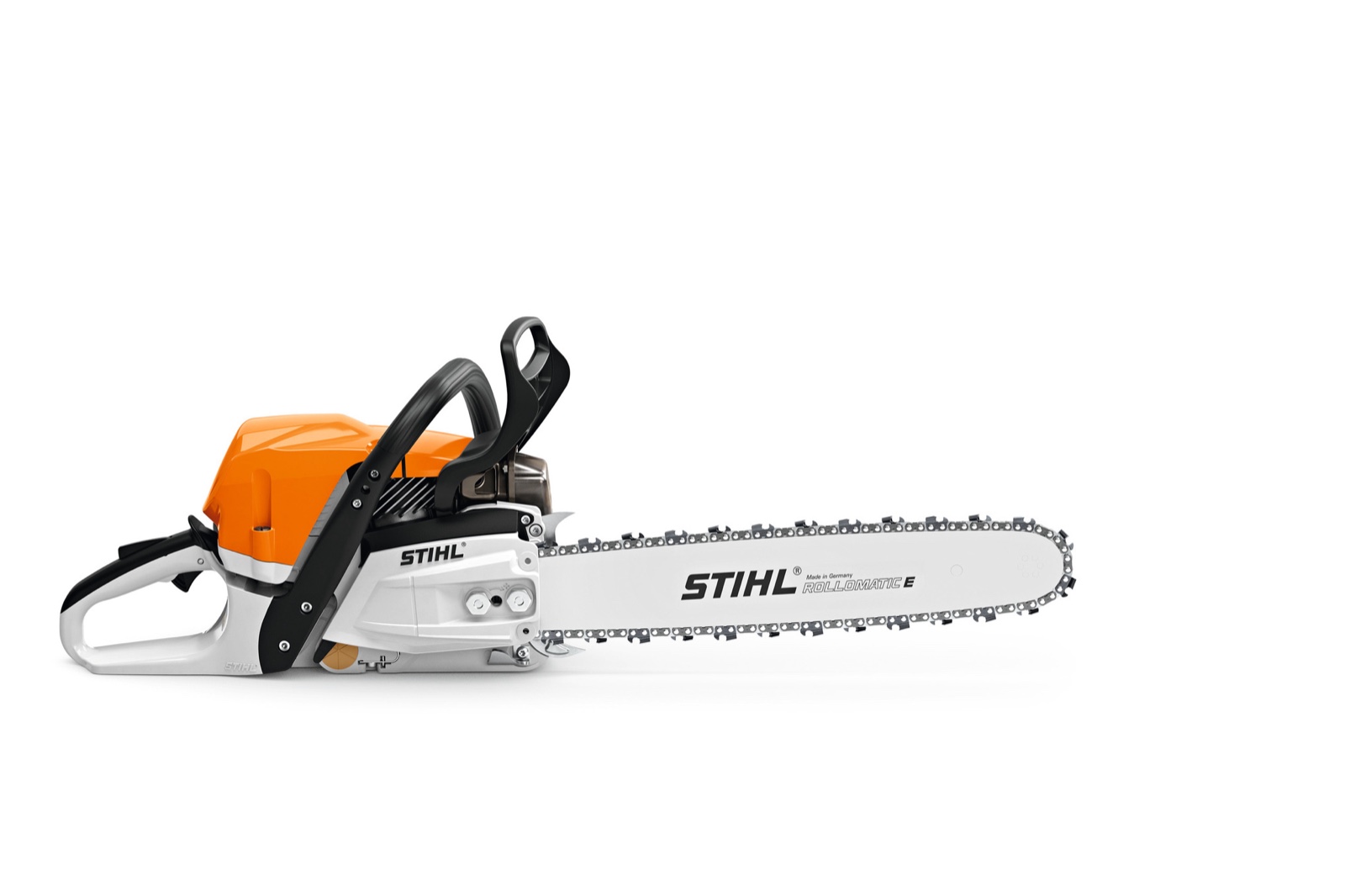
Compare the Stihl MS 391

Nearest alternatives

More from Stihl
Stihl MS 400 C-M

Stihl / Gas

~$1,250

Stihl MS 400 C-M

60cc class
66.8cc
engine
18 in
bar
12.7 lb
bare

Fallers and firewood producers who want 70cc-class cutting speed at 60cc-class weight and will keep it on a 20- to 25-inch bar.

Professional
Echo CS-680

Echo / Gas

~$780

Echo CS-680

60cc class
66.8cc
engine
20 in
bar
14.6 lb
bare

Cutters who regularly hang a 24- or 27-inch bar and want displacement rather than revs doing the work.

Professional
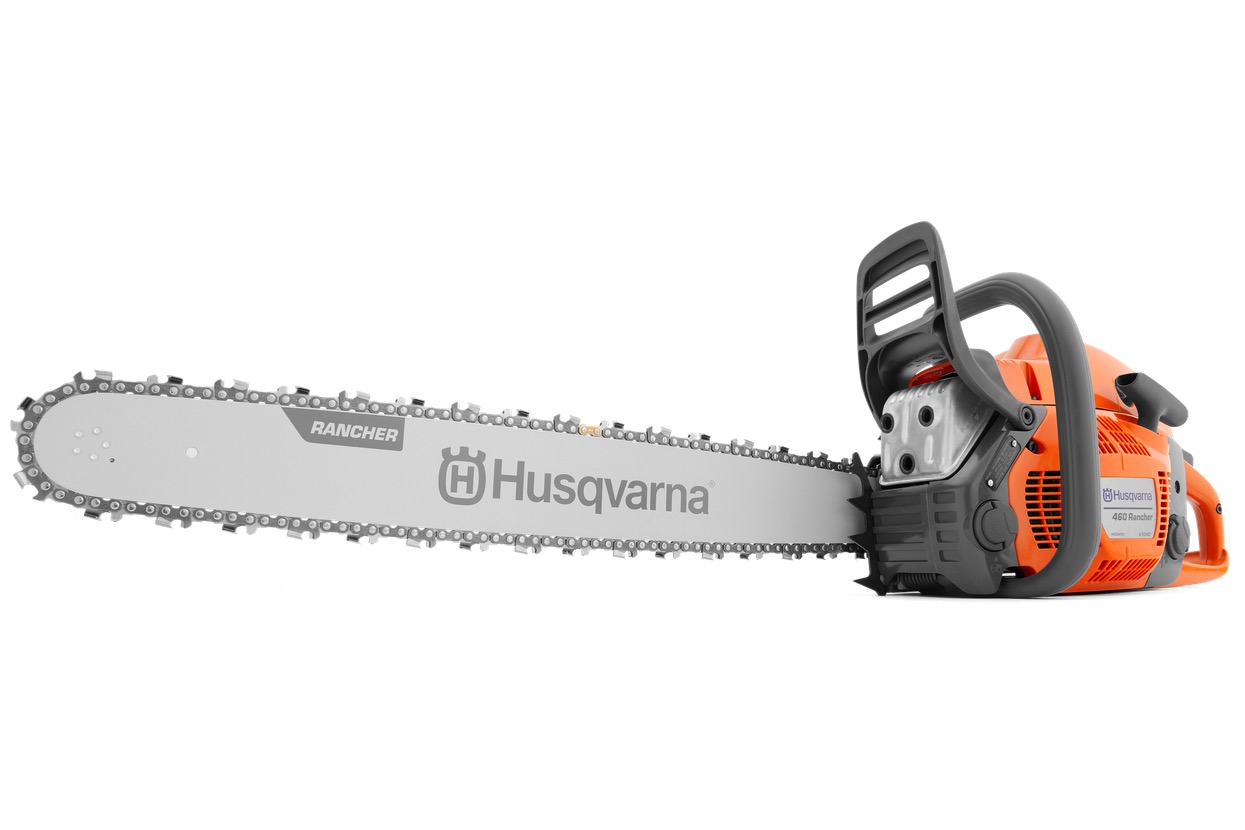
Husqvarna 460 Rancher

Husqvarna / Gas

~$649

Husqvarna 460 Rancher

60cc class
60.3cc
engine
24 in
bar
13.2 lb
bare

Large-property owners who regularly face wood beyond a 20-inch bar but don't want pro-saw prices.

Farm & Ranch

Sources for this entry