Stihl MS 391 vs Stihl MS 151 T C-E
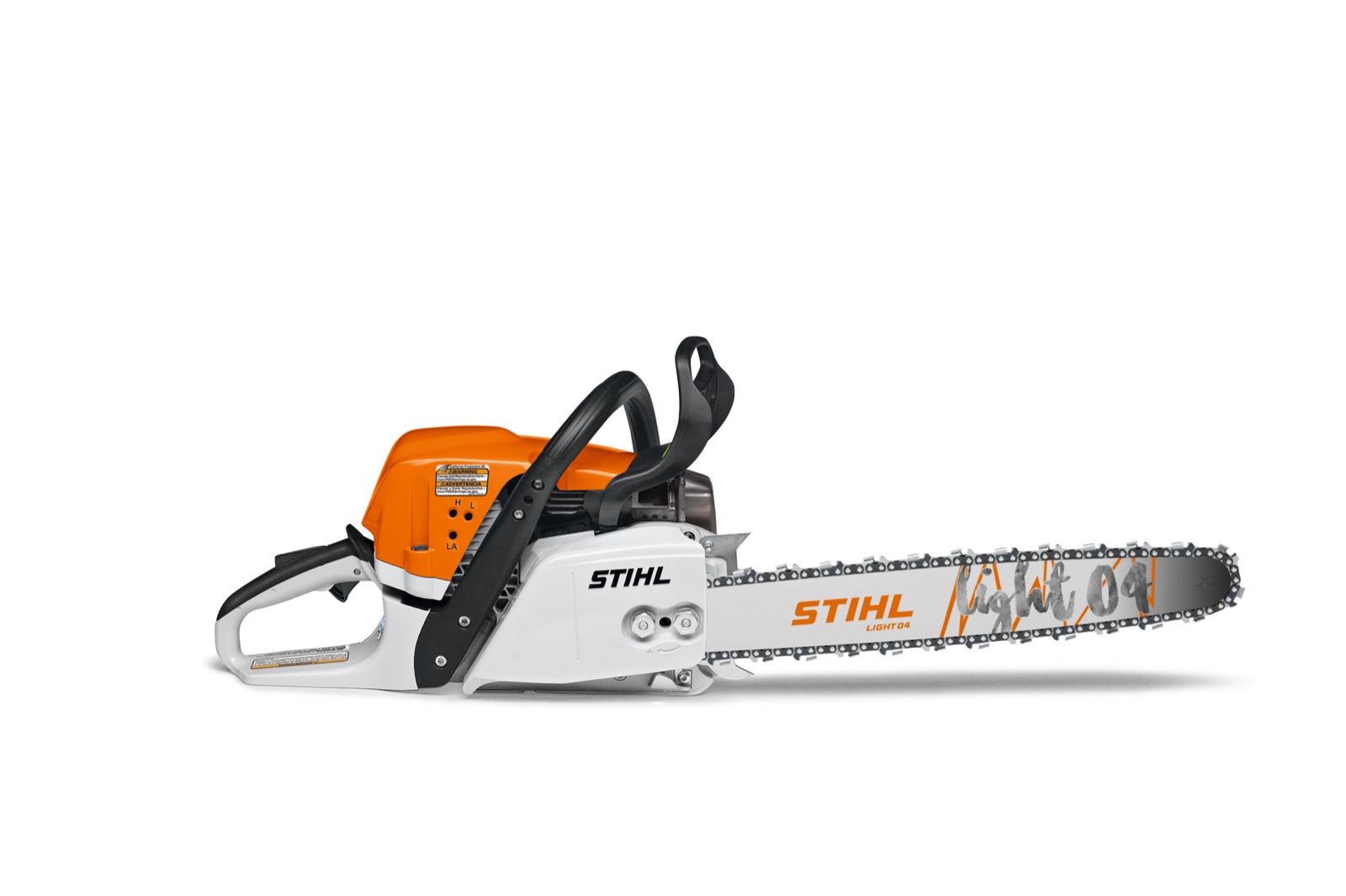
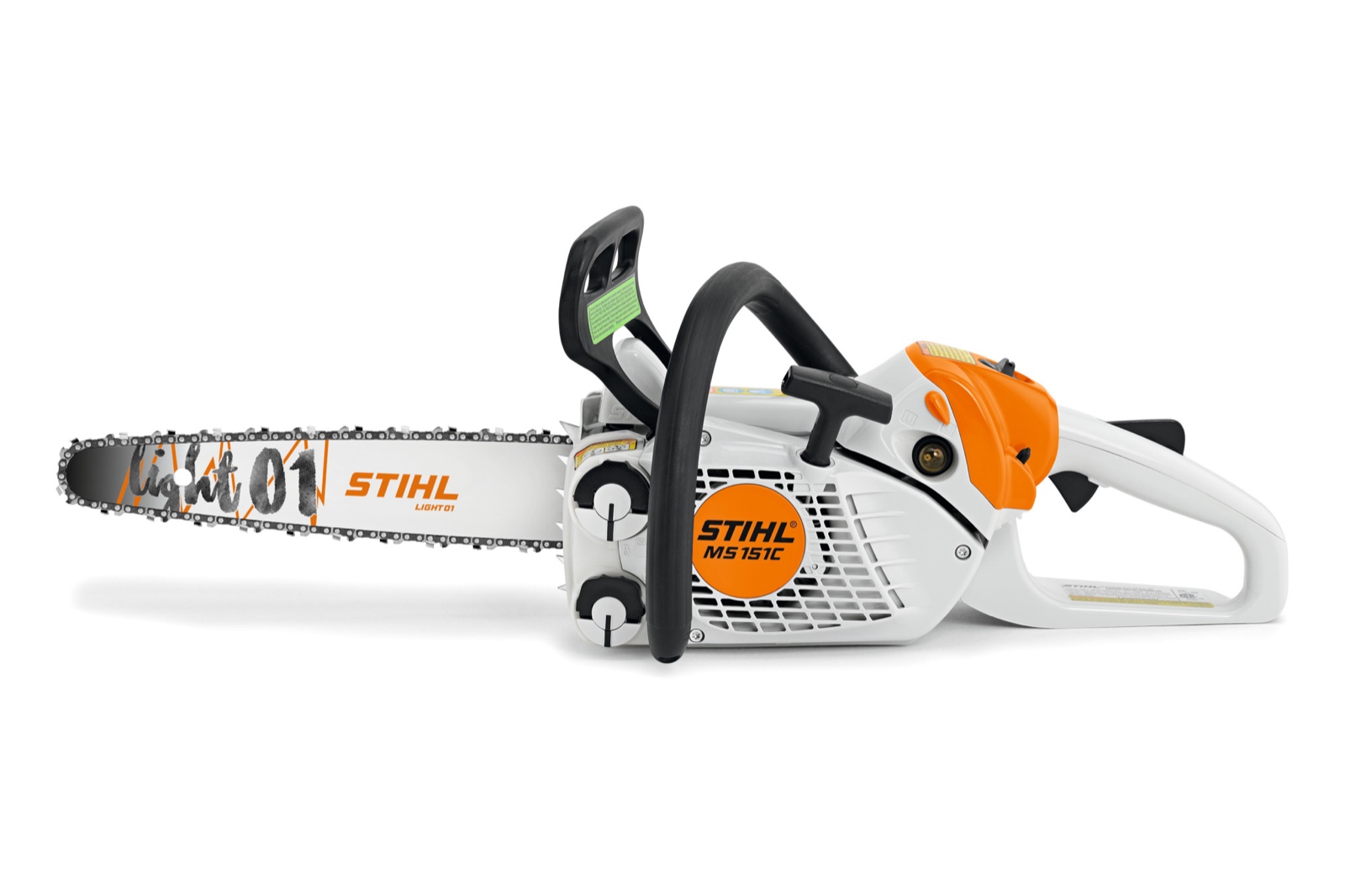
Tinted cells mark the better figure on that row alone: more engine, longer bar, lighter, cheaper. A lighter weight is only a win on the same basis.
What owners like and complain about
Stihl MS 391
- Biggest engine in Stihl's farm range — 3.3 kW handles a 25" bar and large-diameter felling
- Owners report ten-year service lives in homeowner use
- IntelliCarb and pre-separation filtration hold mixture steady as the filter loads
- Bumper spikes, side-access tensioner and toolless caps — easy to work around in the field
- About $270 less than an MS 362 C-M while out-displacing it
- Glued transfer-port covers are a documented long-term air-leak path, and owners report piston destruction when one lets go
- 13.8 lb powerhead — heavier than the pro MS 362 C-M, which makes more power
- Long-term users describe it as awkward to work on compared with the pro chassis saws
- Does not hold up under commercial use; owners who cut for pay move to the 362 or 400
- No M-Tronic at $840
Stihl MS 151 T C-E
- 6.1 lb powerhead — the lightest gas chainsaw Stihl sells, and climbers say the fatigue difference over a day is obvious
- 1/4" .043" PM3 chain gives a precise, clean cut face on small limbs
- Easy2Start recoil matters more here than anywhere: one-hand-awkward starts on a rope get easier
- IntelliCarb holds the mixture as the filter loads with sawdust in-canopy
- $850 for a 23.6cc saw — priced as a professional tool, not a small saw
- No consumer warranty at all: Stihl's 2026 policy gives MS-T top-handle saws 3 months, professional use only
- Not sold or delivered in California
- Top-handle saws are for trained climbers; ground use one-handed is how people get hurt
- 10-inch bar and 1.1 kW cap it at light pruning — it is not a backup felling saw