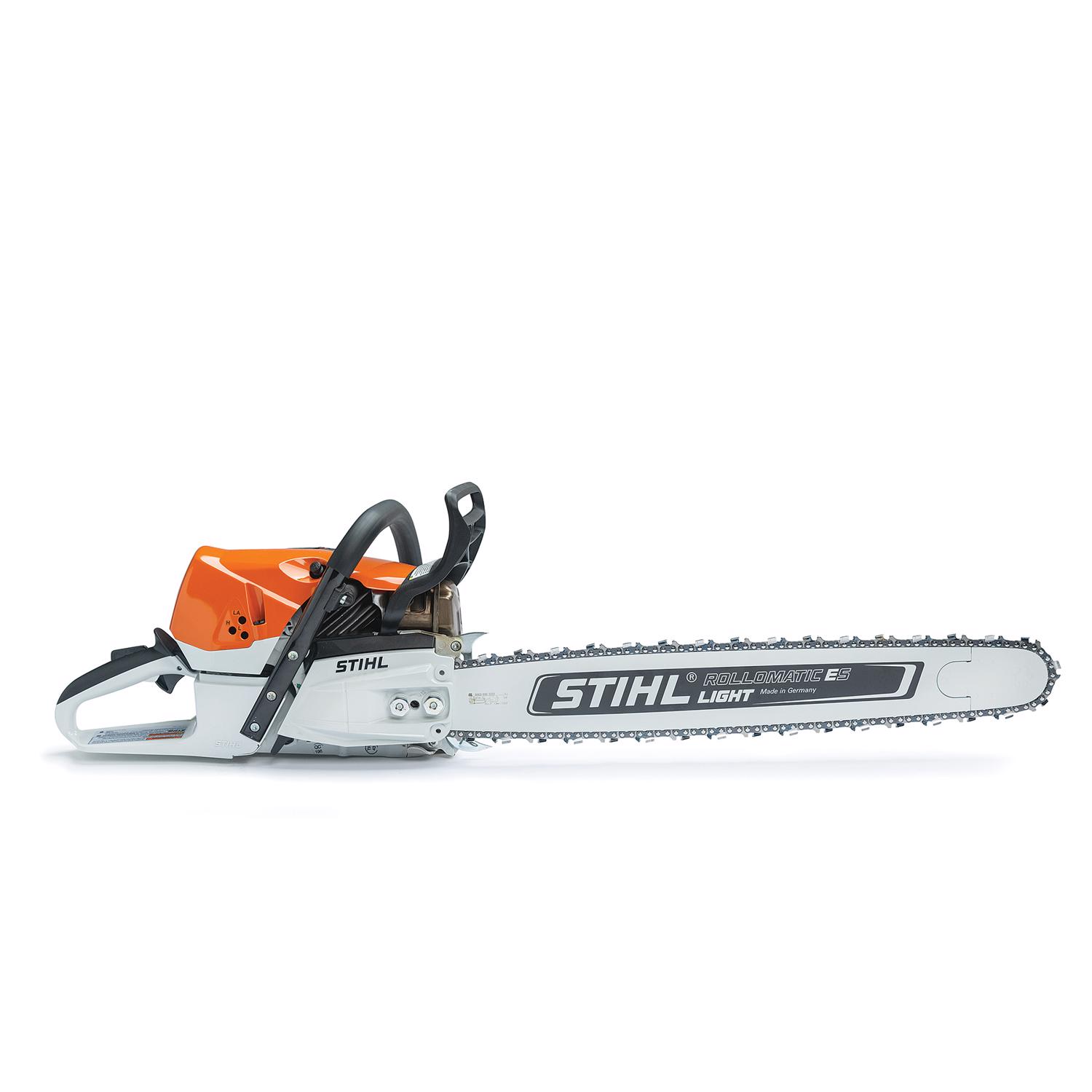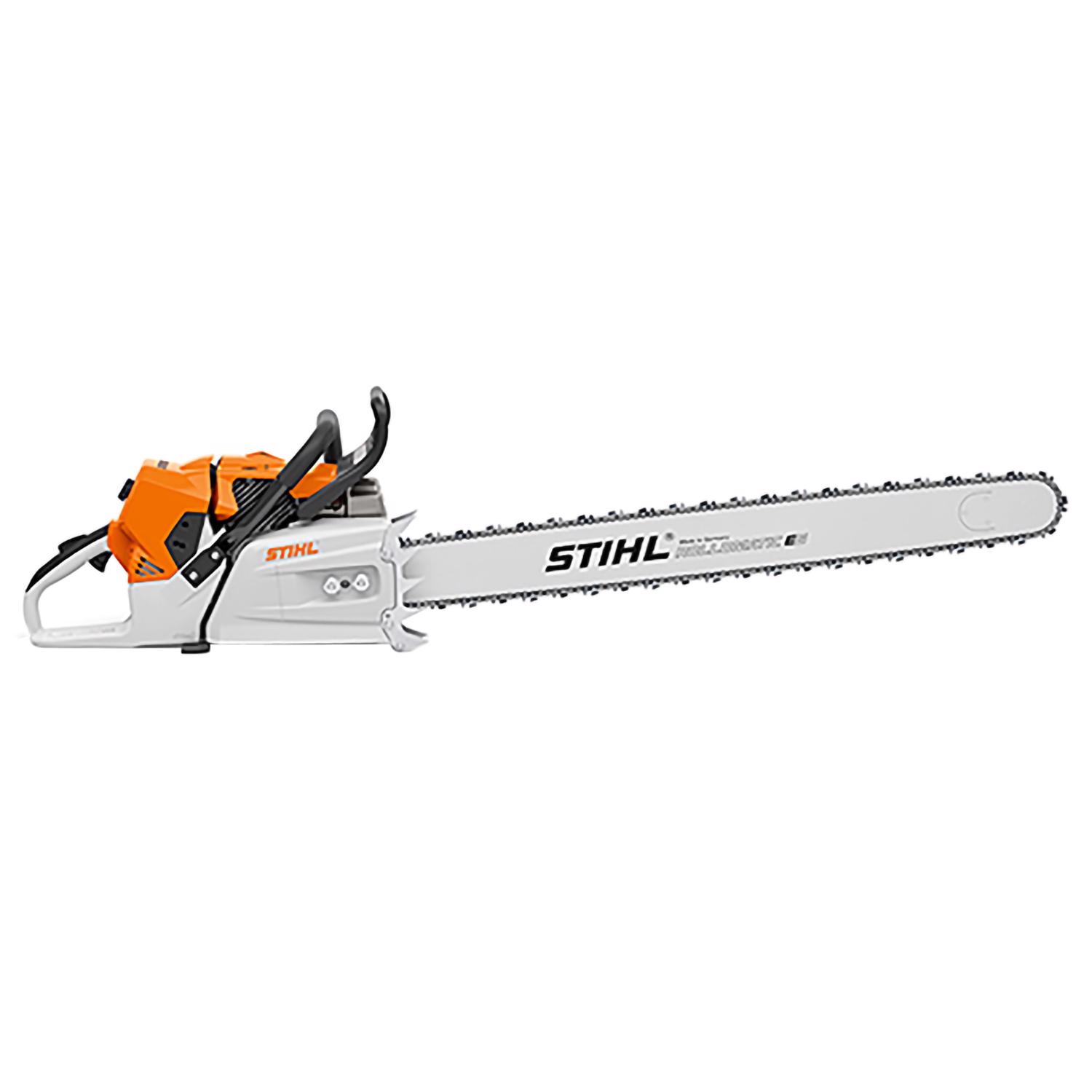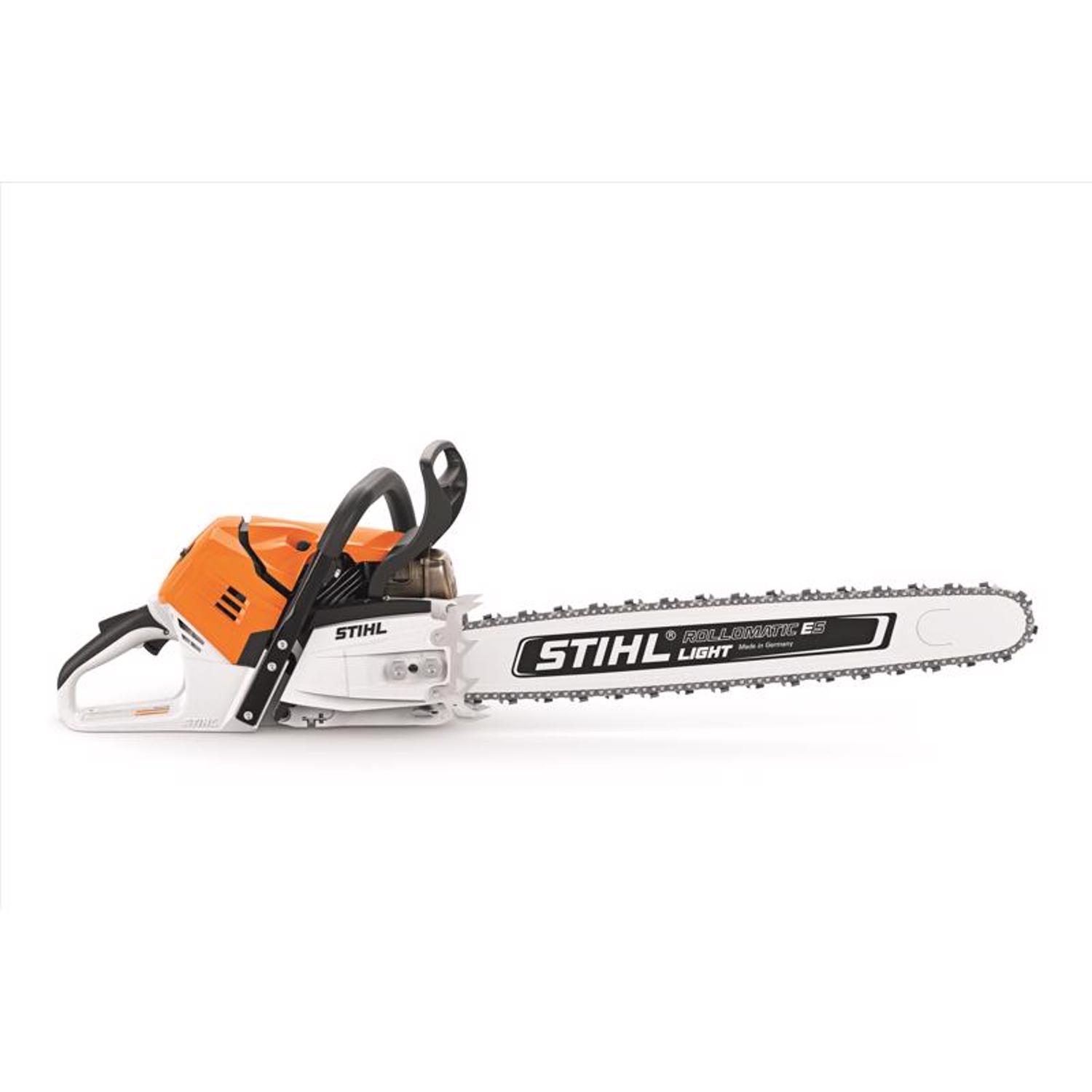
Stihl MS 661 C-M Magnum

Stihl / Gas / Professional

Stihl MS 661 C-M Magnum

70cc+ class
91.1cc
5.4 kW rated
20 in
cuts to about 18 in
16.4 lb
powerhead only, dry (no bar/chain/fuel)
~$1,850
approx., with 20" bar and chain
See it at Stihl

Price and availability on Stihl's site may differ.

This is the 90cc benchmark — the saw West Coast fallers and Alaskan-mill users treat as the default answer for big wood. The M-Tronic computer handles tuning at any altitude or on any fuel, and owners consistently report it pulls a 28-32 inch bar buried in fir or oak without complaint while weighing 16.4 lbs, genuinely good power-to-weight for the class. The recurring debate in owner threads is whether you actually need it: MS 462 owners argue their saw does 90% of the work at 3 lbs less, and most firewood cutters concede the 661 only earns its keep in timber over 30 inches or on a mill. Real gripes: the price has climbed to roughly $1,850, it drinks fuel fast in long cuts, and Stihl's gas-saw warranty is a stingy 1 year consumer / 3 months commercial. Dealer-only distribution means no retailer review aggregates exist, but forum consensus over a decade is about as unanimous as chainsaw opinions get.

Best for: Professional fallers, firewood cutters in 30-inch-plus timber, and chainsaw-mill operators who need sustained torque.

Specifications

Engine class
70cc+ class (by displacement)
Engine
91.1 cc
Bar range
16-32 in
Single-pass cut
about 18 in (bar minus 2)
Chain
3/8" pitch / .050" gauge (33 RS)
Weight
16.4 lb, powerhead only, dry (no bar/chain/fuel)
Use case
Professional
Warranty
1-year consumer / 3-month professional (Stihl policy from Jan 1, 2026)
Model
MS 661 C-M

Manufacturer figures except the engine class and single-pass cut, which are derived here. What each spec means

  • 91.1cc / 7.2 hp M-Tronic engine
  • The default 90cc felling and milling saw
  • Pulls bars up to 32 inches

What owners like

  • M-Tronic auto-tuning means no carb screws — it compensates for altitude, temperature, and fuel quality on its own
  • 16.4 lb powerhead carrying 7.2 hp is excellent power-to-weight for a 90cc saw
  • Buries a 28-32 inch bar in hardwood without bogging — the go-to powerhead for Alaskan mills
  • 20% better fuel economy than the old MS 660 it replaced
  • Decade-plus of forum history with a reputation for surviving years of commercial abuse
  • Every Stihl dealer can service it, and the parts network is unmatched

Common complaints

  • Roughly $1,850 before tax — the price has climbed several hundred dollars in a few years
  • Overkill for most users; MS 462 owners rightly point out theirs is 3 lbs lighter for 90% of the work
  • Thirsty in sustained cuts — milling users report burning through tanks quickly
  • Stihl gas-saw warranty is only 1 year consumer / 3 months commercial unless you buy the oil promo
  • Dealer-only sales, so pricing varies by region and there are no retailer reviews to compare

What owners say

Read from owner discussions, long-term write-ups and dated retail reviews; nothing here was measured on this site.

The 661 is the saw owners buy when the wood is genuinely big, and on that job the reports are consistent. Owners mill with it, shred 40-inch Douglas fir with a sharp square-ground chain, top large ponderosa with a 36-inch bar, and run 42-inch bars on skip chain. The durability story owners tell is one saw with a bark box that has cut over 100 tons of timber and broken nothing but a drive sprocket. It also starts easily for its displacement — owners who also run clone 90cc saws keep remarking how much easier the Stihl is to crank, even though the compression is high enough to surprise anyone stepping up from a 60cc saw.

Two things come up again and again. The first is oiling: owners describe the oiler as inefficient, one new saw threw sparks off the bar tip until oil was poured on by hand, and an owner with both generations reports the 661 turned up full will empty the oil tank in one tank of fuel where his old 660 used half. A one-year-old saw flowing plenty suggests this changed during production, so measure your own output before trusting it with a long bar. The second is balance — the 661's powerhead is lighter than the 066/660 it replaced, which makes it tip-heavy with a full-weight 36-inch bar, and owners resolve it with Tsumura, Cannon or Sugihara light bars while warning that those flex noticeably more. The M-Tronic question is more philosophical: there are no carburetor screws and nothing to tune, which owners like right up until the electronics fail, and the people who want to wrench on their own saws point at a Husqvarna 395 for simpler, cheaper repairs.

Who owners say should buy one: fallers, millers and anyone regularly in 30-inch-plus timber, especially if you'd rather rebuild a saw than replace it — an OEM top end is about $300 and running used examples sell around $1,000. Who shouldn't: almost everyone else, and owners are frank about it. Those who added a 500i report the 661 now rarely leaves the truck because of the weight, one owner who bucked a 63-inch tree says he's tired of carrying that much saw, and more than one tells hopeful buyers that if they already own a 500i and a smaller saw they do not need a 661. If you buy one anyway, owners' practical additions are a light bar, a 9-tooth sprocket and skip chain for milling, and a muffler and filter upgrade once the warranty is done.

What owners like

  • It does the big-wood work it's bought for without drama: an owner running one with a 36-inch bar says it mills happily and absolutely shreds through 40-inch Douglas fir with a factory-fresh square-ground chain, and owners confirm it pulls a 42-inch bar on skip chain just fine
  • Longevity under commercial load is the headline owner report — one 661 with a bark box has cut over 100 tons of timber and the only thing it has broken is a drive sprocket
  • For a 90cc saw it starts easily. Owners coming from clone saws single out how easy the Stihl is to crank next to them, with the elastic starter making it feel like a 50cc saw despite what one owner calls an insane amount of compression compared with his Echo CS-590
  • When the bar gets long it has grunt the 70cc class doesn't: owners who run both a ported 500i and a ported 661 say that from 28 inches up the 661 clearly has far more pull
  • It is worth rebuilding rather than replacing. An OEM cylinder and piston runs around $300, parts diagrams are easy to find, a straight-gassed saw is still worth a few hundred as-is and about $800-$900 running, and the aftermarket is deep — bark box mufflers, high-flow filters, three-point dogs, Tsumura, Cannon and Sugihara light bars, and porting houses quoting about $400

Common complaints

  • Oil delivery is inconsistent across builds and owners talk about it constantly. One new owner says he'd heard the oiler was inefficient and agrees — his threw sparks off the bar tip until he poured oil on by hand. An owner with both a 660 and a 661 says the 661 wide open empties the oil tank in a single tank of fuel where the 660 used half, while his one-year-old saw flows plenty, so check yours before you fit a long bar
  • It is tip-heavy. The powerhead is lighter than the 066/660 it replaced, so owners say it handles badly with a full-weight 36-inch bar and push you to a light bar — with the warning that reduced-weight bars flex much more than you're used to
  • M-Tronic is a liability when it goes. There's no tuneable carburetor, so owners who like to fix their own gear point at the Husqvarna 395 instead: simpler, easier to work on, and parts that are cheaper and easier to get than a Stihl dealer's. One owner's friend lost spark on his 661 and the repair was very expensive
  • Weight and overkill catch up with owners. People who later bought a 500i report the 661 barely comes out any more because it is so much heavier, and one owner who bucked a 63-inch tree into firewood says he is tired of the weight and the excess power and is shopping a 261 or 550 instead
  • Straight gas or a careless borrower ends it fast: one owner's brother ran straight gas through his and the scoring was deep enough to need a full rebuild
  • Small ergonomic and access gripes recur — the stock left handlebar leaves little room for fingers (owners buy aftermarket bars), the stock muffler is described as a hollow can, and the limiter caps on the current saws are awkward enough to reach that owners leave mods until the warranty is up

Questions owners ask

What bar length suits the 661 best?

Owners run it most happily from 25 to 36 inches, and the strong recommendation is a lightweight bar once you pass 32 — the powerhead is lighter than the old 660 it replaced, so a full-weight 36 makes it nose-heavy and tiring. Tsumura, Cannon and Sugihara 36-inch light bars are the ones owners name, and they'll pull a 42 on skip chain. Be aware that light bars flex more than the heavy ones you may be used to.

Does the 661 oil a long bar properly?

Check yours before you trust it. Owners repeatedly call the oiler inefficient, and one new saw was throwing sparks off the bar tip until the owner added oil by hand. On the other side, an owner with a 660 and a 661 found the 661 turned wide open drained the whole oil tank in one tank of fuel, and his one-year-old saw flows plenty — so output seems to have varied by build. Run it over cardboard, check the bar groove and oil holes, and watch the tip on long bars.

661 or 500i?

Owners who run both ported say the 661 clearly has far more grunt from 28 inches up, but that they mostly reach for the 500i because it's much lighter — one reports his 661 has barely come out since the 500i arrived. The practical split owners describe is that the 500i covers everything up to about 28-30 inches better, while the 661 earns its weight in genuinely big timber and on a mill.

Is M-Tronic a problem on this saw?

It's a trade owners accept rather than love. There are no carburetor screws, nothing to tune and no adjustment when you move between elevations, which is excellent until it isn't — one owner's friend lost spark and the repair was very expensive. Owners who service their own saws and want cheaper, more available parts point at a Husqvarna 395 instead, and they also note that if you're new to saws the lack of a tuneable carburetor cuts both ways.

Can the 661 run a chainsaw mill?

Yes, and it's one of the main reasons people buy one. Owners mill with 32 and 36-inch bars, usually on skip chain with a 9-tooth sprocket, and report it shreds 40-inch Douglas fir with a fresh square-ground chain. Two things to plan for: oil and fuel consumption in sustained full-load cuts, and matching your sprocket to the chain you mill with if you also want to use the saw for ordinary cutting.

Drawn from 6 owner threads and long-term reviews, kept on file with this entry.

Compare the Stihl MS 661 C-M Magnum

Nearest alternatives

More from Stihl
Stihl MS 500i

Stihl / Gas

~$1,780

Stihl MS 500i

70cc+ class
79.2cc
engine
25 in
bar
13.9 lb
bare

Professional fallers and buy-once enthusiasts who want the fastest, hardest-pulling saw in Stihl's line and can stomach flagship pricing.

Professional
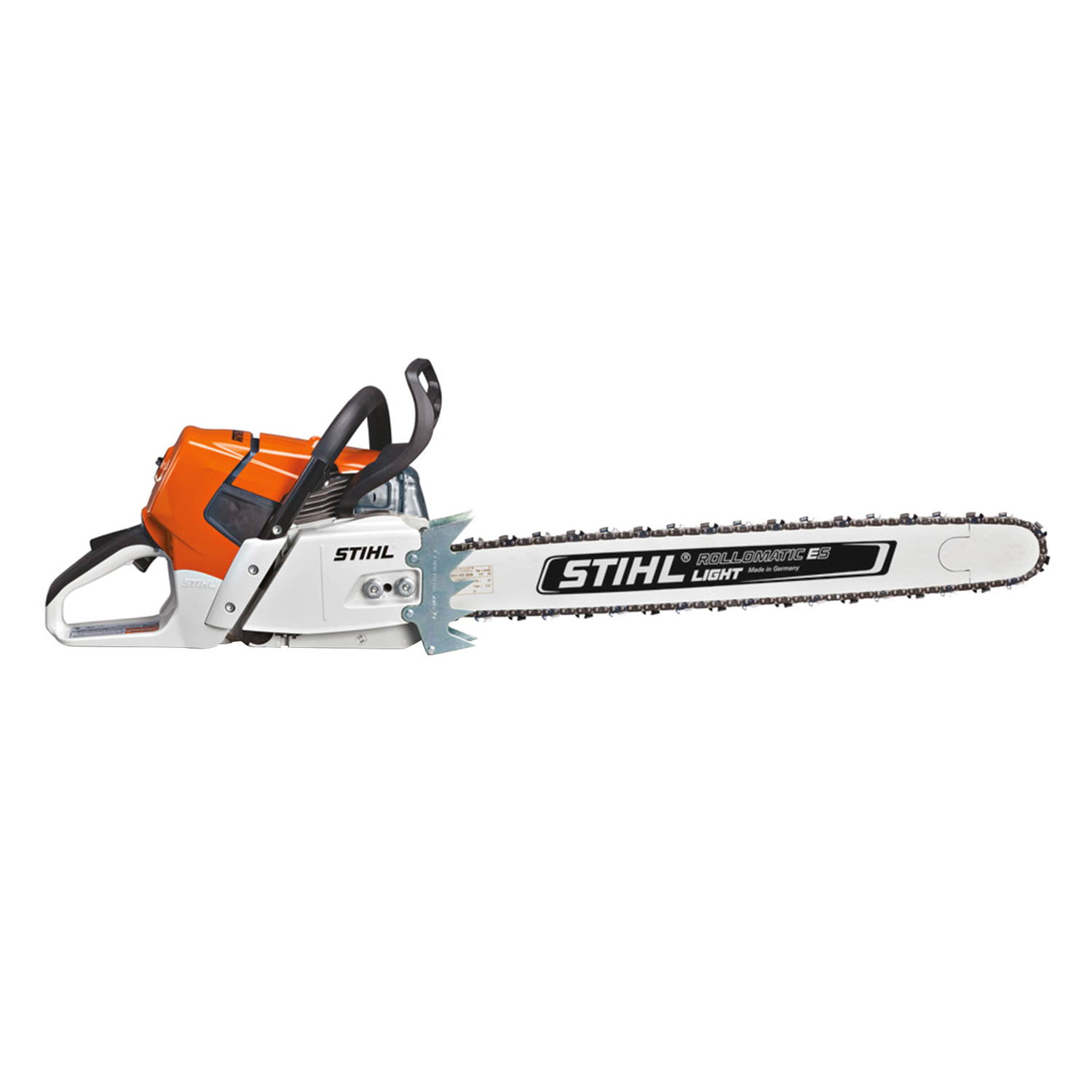
Stihl MS 462 C-M

Stihl / Gas

~$1,670

Stihl MS 462 C-M

70cc+ class
72.2cc
engine
25 in
bar
13.2 lb
bare

Professional fallers and serious cutters handling big timber who want 70cc-class power at a 60cc-class carry weight.

Professional
Stihl MS 881 Magnum

Stihl / Gas

~$2,680

Stihl MS 881 Magnum

70cc+ class
121.6cc
engine
36 in
bar
21.4 lb
bare

Chainsaw-mill operators slabbing 36-inch-plus logs and pro crews that regularly face trunks too big for a 90cc saw.

Professional

Sources for this entry