Poulan Pro
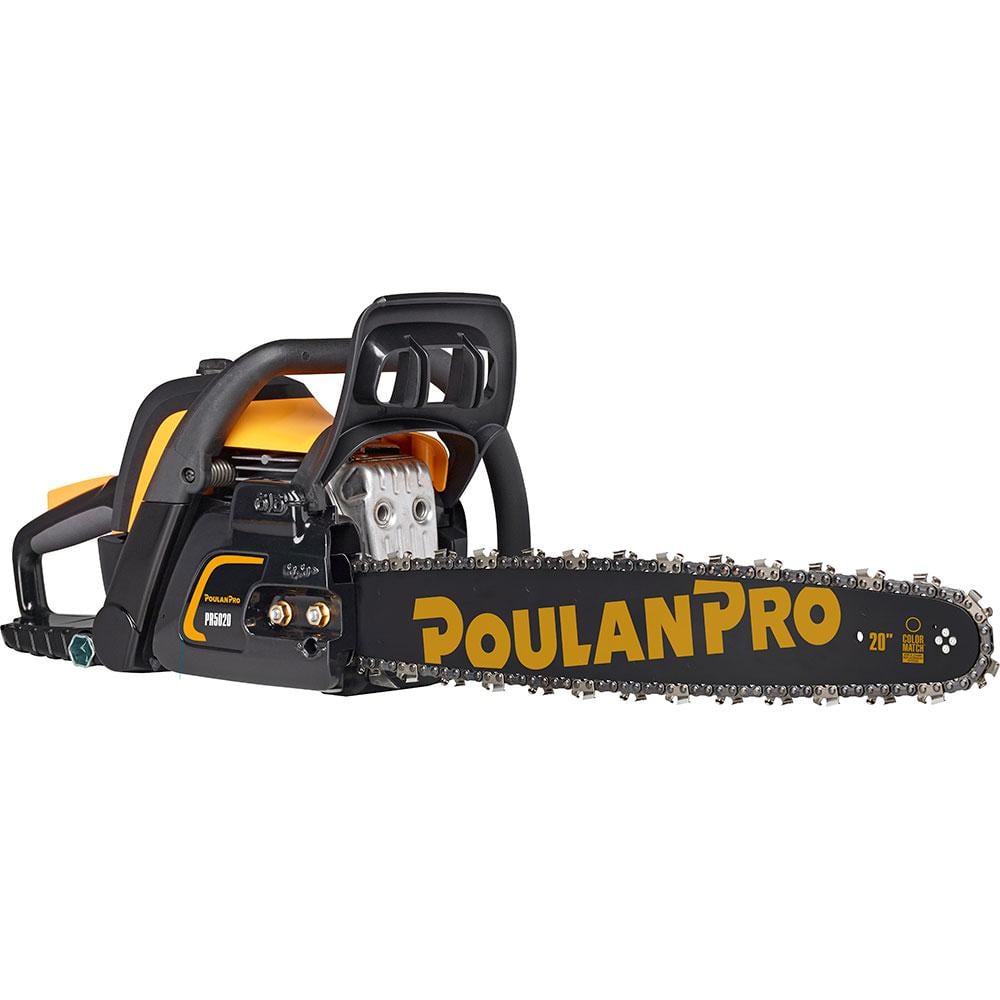
Poulan Pro PR5020
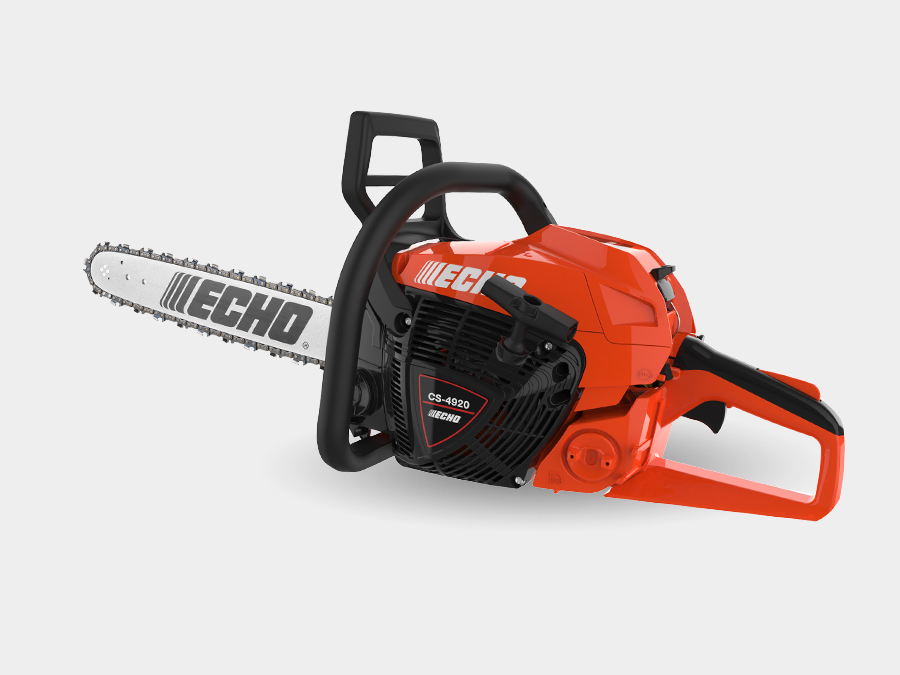
The PR5020 is the saw people buy when they want 50cc and a 20-inch bar for the least money on the shelf — and mostly, it delivers exactly that bargain and nothing more. Under the purple plastic sits Husqvarna-group OEM hardware (Poulan Pro is Husqvarna's value brand), so the bones are more legitimate than the price suggests, and owners who feed it fresh premix report years of adequate weekend service. The gripes are the value-tier classics: the carb is famously intolerant of stale fuel, starting when cold is a wrestling match, at 17 pounds ready-to-cut it's heavier than saws costing three times more, and when something breaks, the repair quote frequently exceeds the saw's value. Pricing swings wildly — Lowe's lists it around $360 and then runs clearances under $100 — so what it's 'worth' depends entirely on the week you catch it. At a deep-discount price it's a genuinely defensible firewood starter; at list, an Echo CS-4920 is a far better saw.
Specifications
Highlights
Pros
- ✓50cc displacement and a 20-inch bar at value-brand money
- ✓Shares OEM internals with Husqvarna's consumer line
- ✓Simple, known design — parts and carb kits are cheap and everywhere
- ✓Frequently clearanced below $150, where nothing else competes
- ✓OxyPower engine runs cleaner than the old Poulan two-strokes
Cons
- ✗Carb varnishes quickly on stale fuel — the classic spring no-start
- ✗17 lb ready-to-cut weight is a workout for a homeowner saw
- ✗Cold starting takes a documented ritual and patience
- ✗Repair costs quickly exceed replacement cost
- ✗List pricing is fiction; only the discounted price makes sense
Related chainsaws
More from Poulan Pro →
Husqvarna
Husqvarna 130
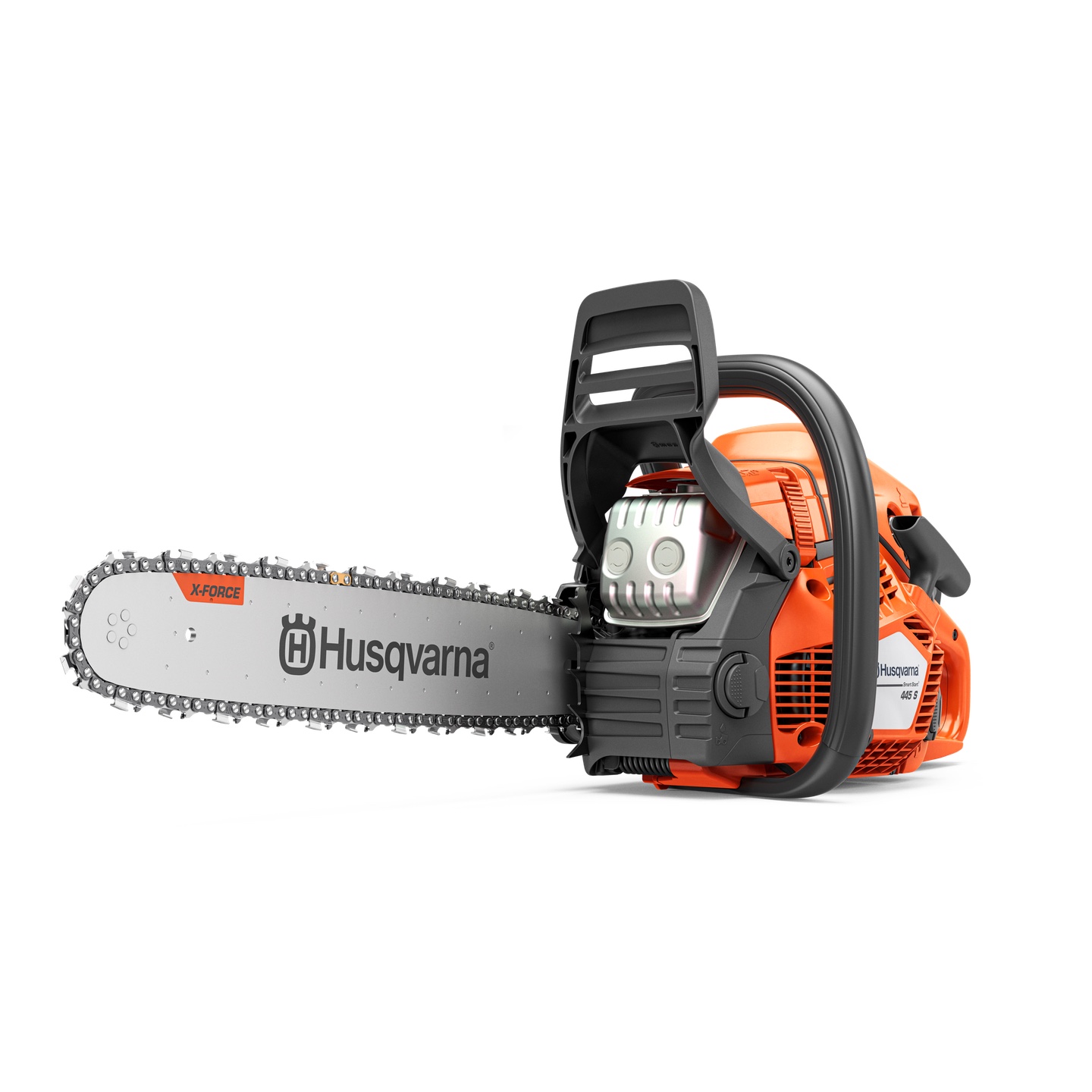
The 130 is the 120's slightly stronger sibling — same 38.2cc bones with a two-horsepower tune and a 16-inch bar as standard for $259. That extra bit of chain speed matters more than the spec sheet suggests: owners report it holds RPM through 10-12 inch rounds where the 120 starts asking for patience. It shares the 120's honest limitations too — a budget airbox, tool-required tensioning, and a cold-start routine you'll memorize — and the forum consensus is blunt about the tier: this is a homeowner saw for occasional duty, not a firewood machine. The interesting cross-shop isn't Stihl; it's Husqvarna's own 435 II, which for about $120 more buys a genuinely nicer saw. But as a step up from the 120 that keeps the price under $300, the 130 hits a spot the competition mostly ignores.

Stihl
Stihl MS 170
The cheapest way to get a real Stihl in your garage, and the saw dealers hand to first-time buyers who need to clean up storm limbs a few weekends a year. At 8.6 pounds for the powerhead it's genuinely easy to run all afternoon, and the 4,400+ Ace Hardware reviews averaging 4.5 stars back up the 'thousands of happy owners' vibe you see in forum threads. But owners are blunt about the ceiling: this is a light pruning and limbing saw, not a firewood saw, and it gets slow and sluggish once logs pass about 10-12 inches. The cost-cutting shows up close — a basic carburetor, minimal anti-vibration, and a bar-swap chain tensioner instead of the side-access adjuster on pricier models. Stihl has also started rolling out the updated MS 172 alongside it, so the 170 is a proven but aging design. For under $230 with a 16-inch bar, most homeowners decide the limitations are a fair trade.

Husqvarna
Husqvarna 120 Mark III
Husqvarna's answer to the Stihl MS 170 fight at the bottom of the gas market, now in its third generation: 38.2cc, a hair over 10 pounds, and a $219 price at Lowe's that gets a real Husqvarna badge into suburban garages. Owners like the X-Torq engine's fuel sipping and the light, neutral balance for limbing and storm cleanup, and the Mark III now carries bars up to 18 inches. The gripes are consistent and worth knowing: cold starts take more pulls than the ritual printed on the recoil housing suggests, the plastic construction reads budget next to the 400-series, and the tool-required chain tensioning annoys people coming from big-box battery saws. It's built in the same value tier as the Poulan hardware it shares DNA with — the badge buys you Husqvarna's dealer network and parts availability, which is exactly what the no-name saws at this price lack.